1.Navigating the Waters: A Cultural Immersion
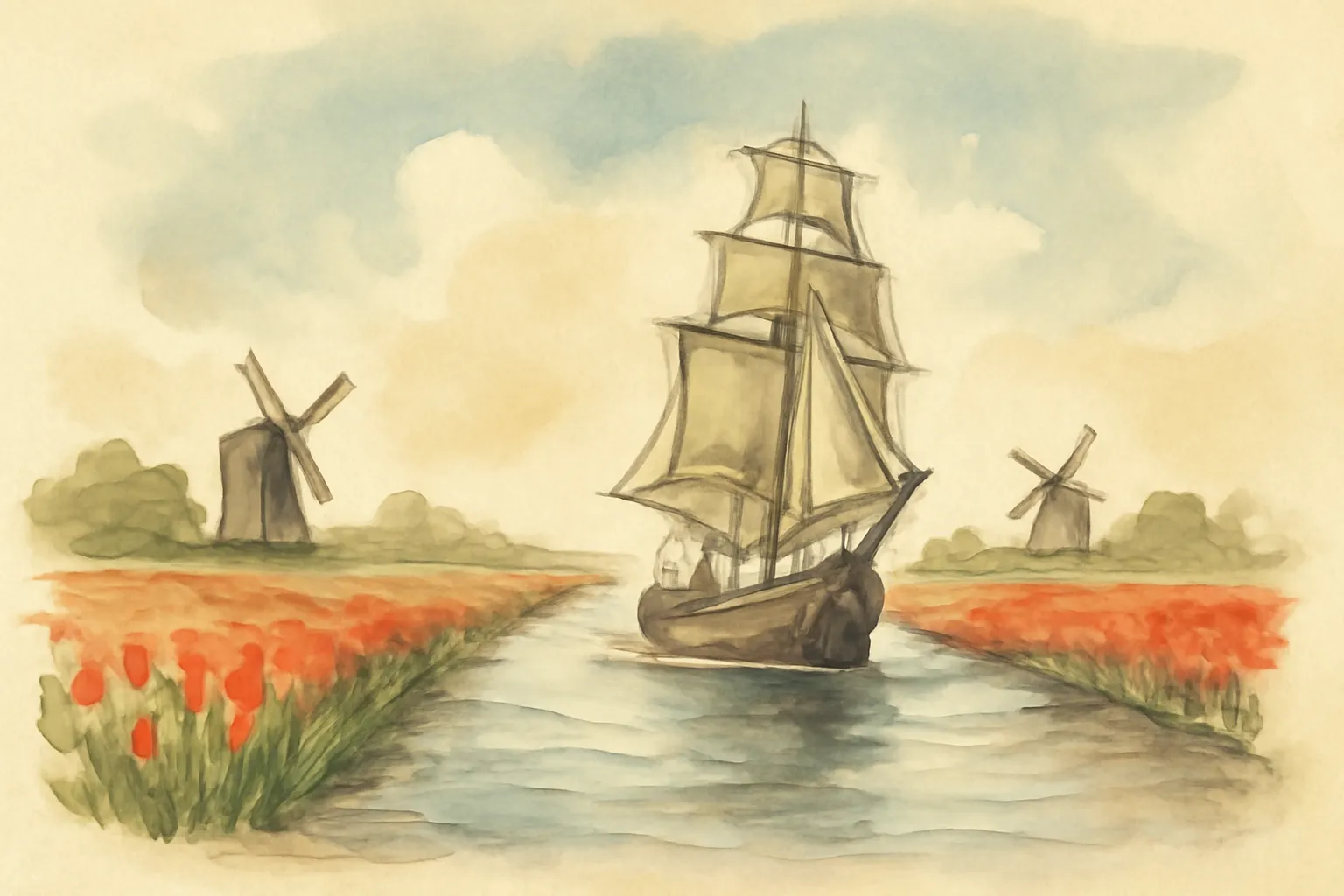
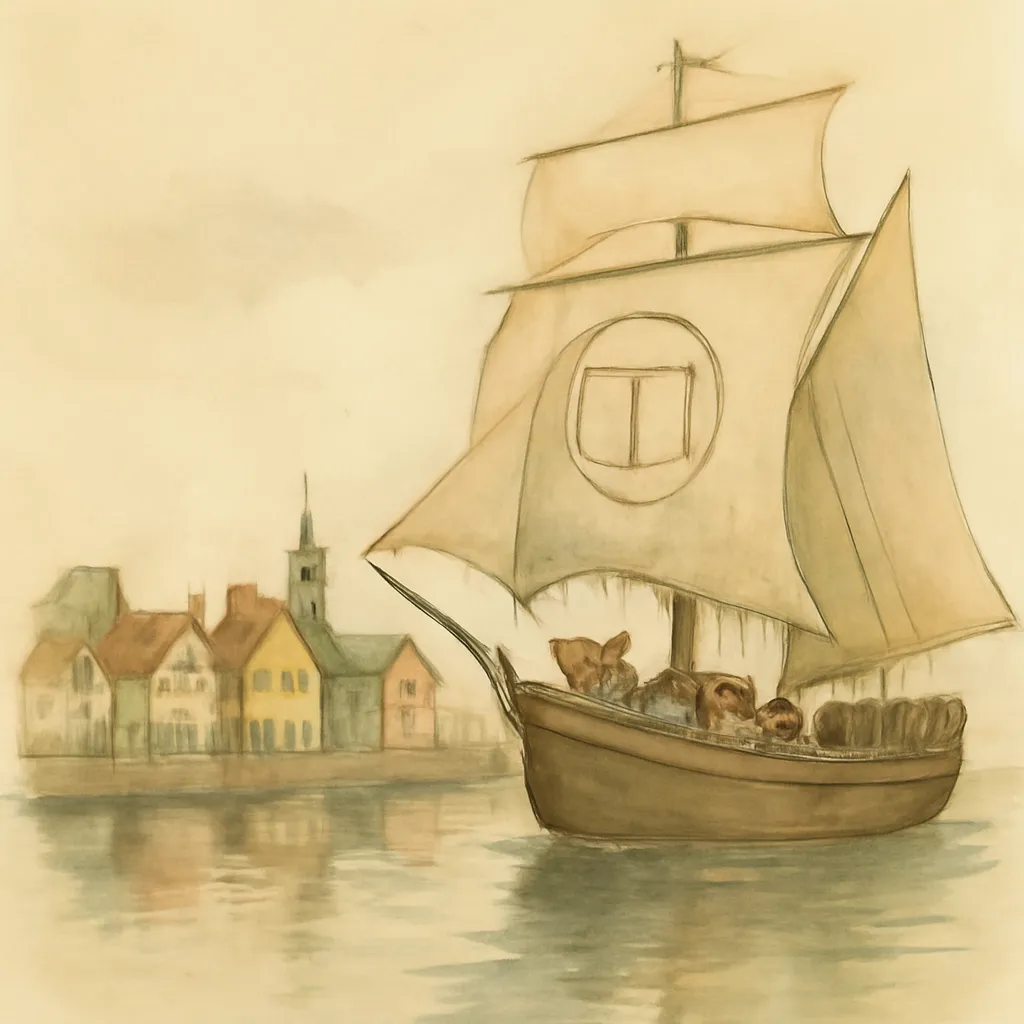
The journey begins with the Academy Ship and her consort, the Josephine, as they sail towards the shores of Holland and Belgium. This maritime adventure is not just about sailing; it serves as a means for the students to immerse themselves in the local cultures and histories. As they navigate the waters, the narrative highlights the significance of maritime travel in understanding the geography of the region. The ships symbolize exploration and discovery, paralleling the students' quest for knowledge. Through their interactions with the sea and the land, the boys learn about the vital role that shipping and trade played in the development of these nations, making this a profound learning experience. The students are not merely passive observers; they actively engage with the environment, which enhances their understanding and appreciation of the places they visit.
2.The Role of Dikes in Dutch Life

One of the most striking features of the Dutch landscape is its dikes, which are crucial for controlling water and preventing flooding. The students learn that these man-made barriers are not merely functional but also represent the ingenuity and determination of the Dutch people in reclaiming land from the sea. The author details the historical context behind the construction of dikes, dating back to the Middle Ages, when communities banded together to protect their livelihoods. This aspect of Dutch culture reflects a broader theme of resilience in the face of natural challenges. The students' fascination with dikes highlights how infrastructure can shape societal development and national identity, offering a tangible connection to history. The narrative explains how these structures have allowed the Dutch to thrive in an environment that, at first glance, seems inhospitable. Throughout their journey, the boys come to appreciate the relationship between the landscape and the people, seeing firsthand how the dikes influence both daily life and the broader historical narrative.
3.Adventures with Authority: The Professor and the Captain
The relationship between the students and their instructors, particularly Professor Hamblin and Captain Kendall, serves as a focal point for exploring themes of authority and rebellion. Professor Hamblin is portrayed as an overbearing figure whose strict disciplinary measures often clash with the students' youthful exuberance. This conflict escalates, leading to disciplinary troubles aboard the Josephine, but it also serves as a catalyst for the boys to assert their independence. The tension between the need for authority and the desire for freedom is a poignant theme that resonates throughout the narrative. The students' eventual support for Captain Kendall over Professor Hamblin underscores their need for respectful leadership that fosters rather than stifles their growth. As the boys navigate their educational journey, they learn valuable lessons about the nature of authority, the importance of mutual respect, and the necessity of balance in teacher-student relationships. This dynamic illustrates how leaders can earn respect through understanding and support, rather than through fear and rigidity.
4.The Beauty of Belgium: Cultural Highlights
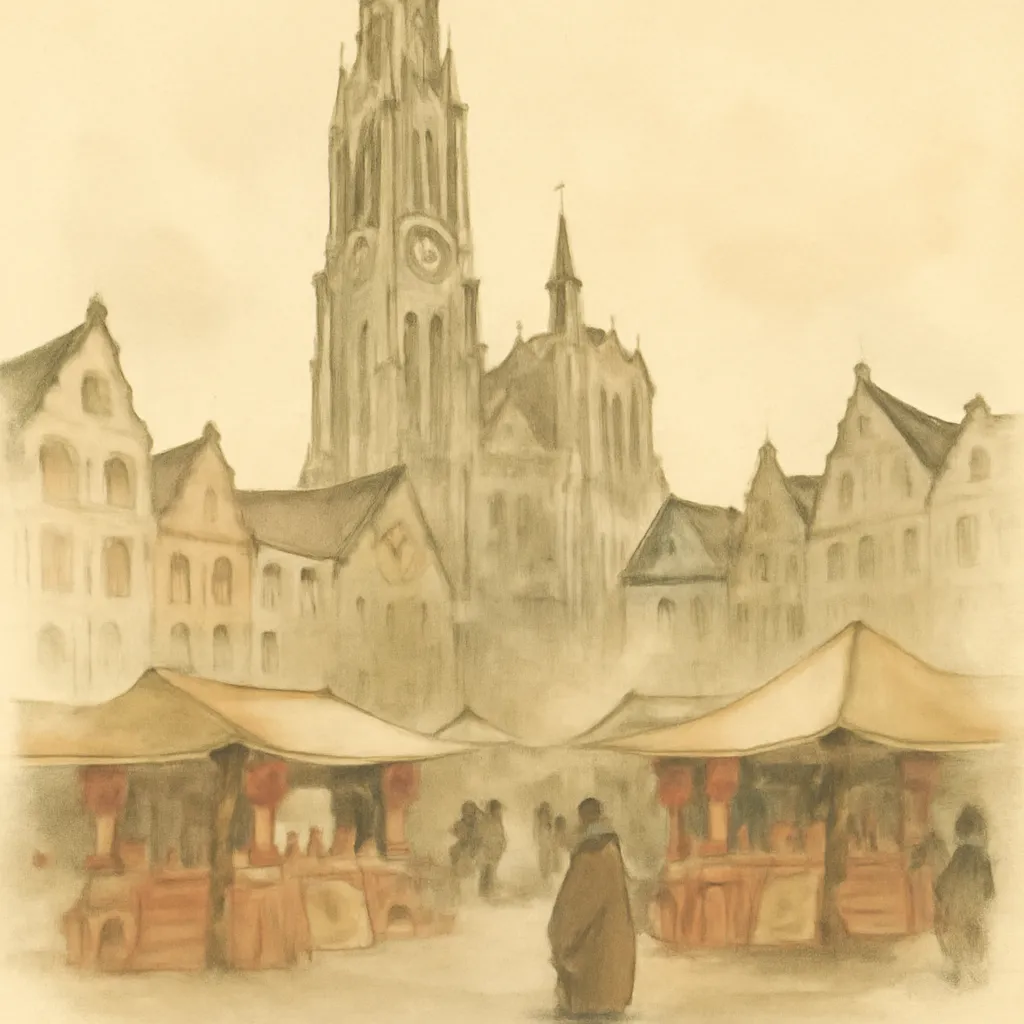
As the students journey into Belgium, they encounter a rich tapestry of culture and history, particularly in cities like Antwerp. The narrative paints a vivid picture of the city's past, once a thriving commercial hub during the reign of Charles V. The author emphasizes the importance of Antwerp's port and its role in European trade, showcasing how commerce shapes cities and their inhabitants. Through their explorations, the students become acquainted with notable figures like the painter Rubens, whose influence permeates the city. The excitement of discovering art and history in a living context allows readers to appreciate the depth of Belgium's cultural heritage, making it an integral part of their educational journey. The boys learn about the architectural beauty of Antwerp, including its cathedrals and guild houses, witnessing firsthand the artistry that has been preserved through centuries. This exploration deepens their understanding of how history and culture are interwoven, providing a richer context for their experiences.
5.Experiencing Ghent: A City of Canals and History
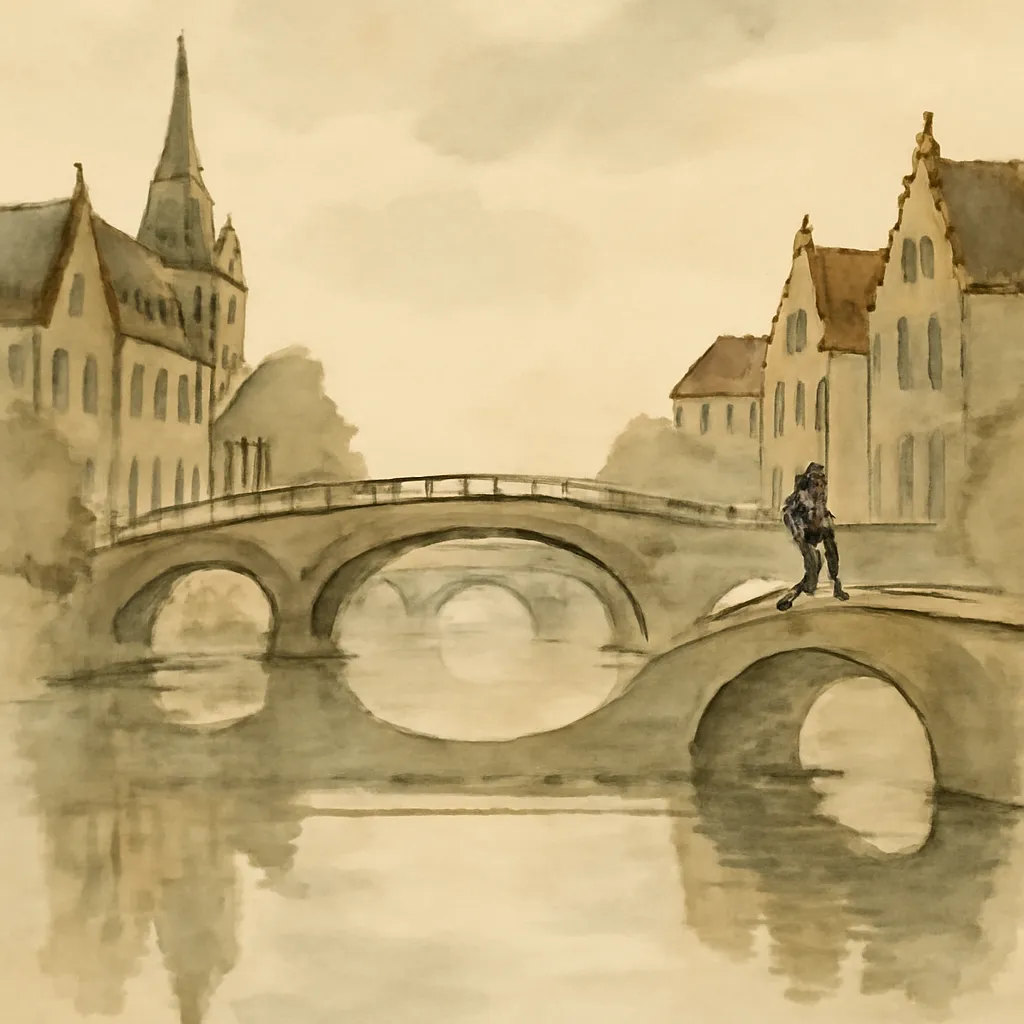
In Ghent, the students discover a city characterized by its intricate canal system and historical significance. The author describes how the city's layout, with its numerous islands connected by bridges, creates a unique urban landscape. This setting provides an opportunity for the boys to learn about the historical importance of Ghent during the medieval period, particularly during the reign of Charles the Bold. The narrative illustrates how the city's waterways facilitated trade and communication, further embedding the students in the historical narrative of their surroundings. As they explore Ghent, the boys experience firsthand the interplay between geography and history, deepening their understanding of how cities evolve over time. The students are particularly intrigued by the stories of the city's past, including its role in significant historical events and its cultural contributions to the region. This immersive experience allows them to appreciate the layers of history that shape contemporary life in Ghent.
6.Historical Lessons: The Legacy of Dutch Resistance

A significant aspect of the students' journey is their exploration of the Dutch struggle for independence from Spanish rule, particularly during the Eighty Years' War. The author weaves historical accounts into the narrative, emphasizing the bravery and resilience of the Dutch patriots. This historical backdrop not only enriches the students' understanding of the present but also instills a sense of pride in the legacy of resistance and freedom. The parallels between the students' own struggles for autonomy and the historical battles of the Dutch people create a powerful connection, making history feel relevant and alive. Through these lessons, the students gain a deeper appreciation for the sacrifices made for liberty, and they are inspired by the stories of ordinary people who stood up against oppression. The narrative emphasizes that understanding history is crucial for recognizing and valuing the freedoms they enjoy today. As the boys reflect on these lessons, they become more aware of their own roles as active participants in shaping the future.
7.The Joy of Discovery: Learning Beyond the Classroom

Throughout their voyage, the students experience the joy of discovery that comes from learning outside the traditional classroom setting. The narrative emphasizes hands-on experiences, such as exploring cities, interacting with locals, and engaging with historical sites. This experiential learning approach fosters curiosity and a love for knowledge, demonstrating that education extends beyond textbooks. The boys' adventures serve as a reminder of the importance of exploration and the value of real-world experiences in shaping understanding. By immersing themselves in different cultures and histories, the students develop a broader worldview, which is essential for their growth as young individuals. The narrative illustrates that the most impactful lessons are often found in the experiences that challenge them intellectually and emotionally. This theme encourages readers to seek out opportunities for exploration and to embrace the world as a classroom filled with lessons waiting to be learned.
8.Friendship and Camaraderie: Bonds Forged at Sea
As the students navigate their adventures, the theme of friendship and camaraderie emerges as a vital component of their journey. The shared experiences of sailing, exploring, and facing challenges together strengthen their bonds. The narrative captures moments of joy, laughter, and even conflict, illustrating the dynamics of young friendships. These relationships not only provide emotional support but also enhance the learning experience, as the boys collaborate and learn from one another. The author shows that the friendships formed during their voyage are as significant as the historical and cultural lessons they encounter, highlighting the importance of social connections in personal development. The boys’ collective adventures create a sense of unity and belonging, reinforcing the idea that teamwork and mutual support are essential in overcoming obstacles. As they grow together, the friendships they forge become a lasting legacy of their shared experiences.
9.Transformational Leadership: Lessons from Captain Kendall
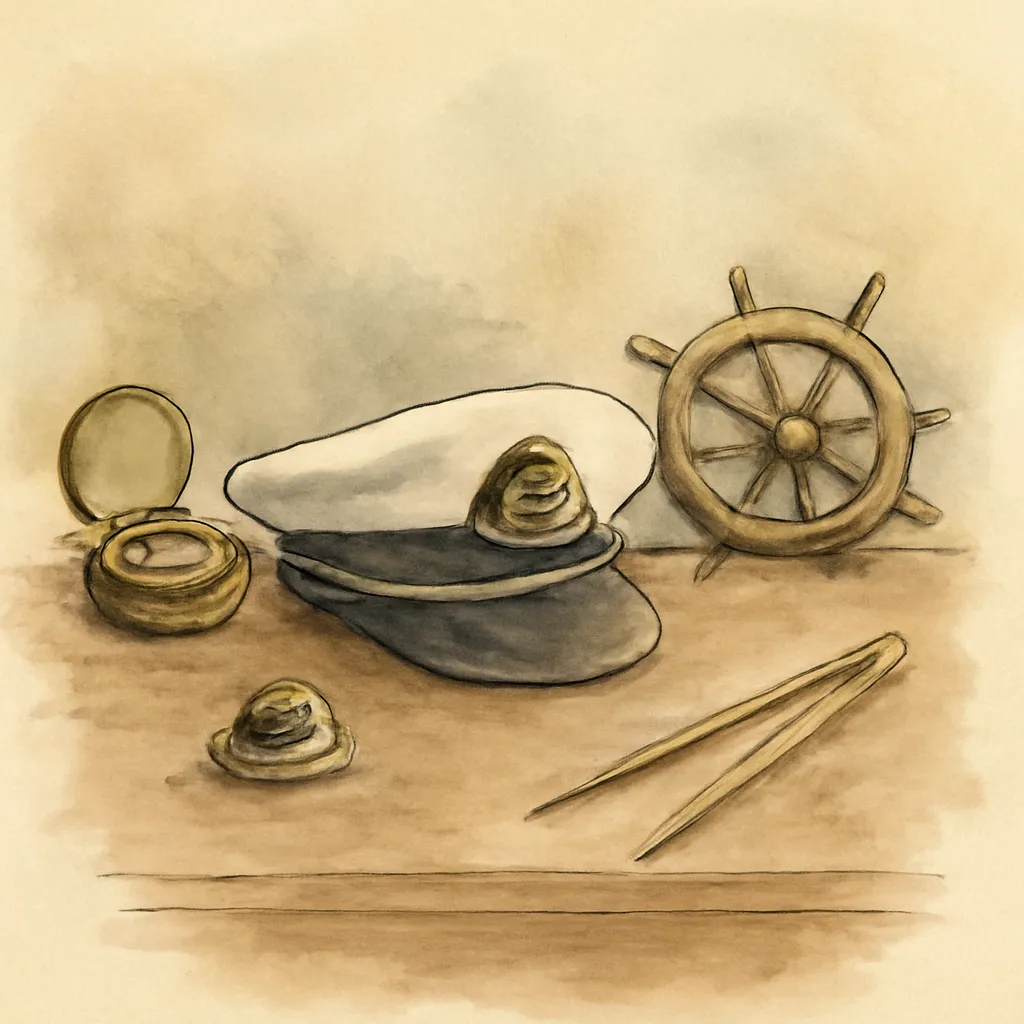
Captain Kendall embodies the principles of transformational leadership, guiding the students with a balance of authority and empathy. His ability to earn the respect of the crew contrasts sharply with Professor Hamblin's more tyrannical approach. The author illustrates how Kendall's leadership style fosters a positive learning environment, encouraging the students to take initiative and responsibility. This dynamic is particularly evident when the students rally around Kendall during moments of crisis, showcasing their loyalty and respect. The lessons learned from Kendall's leadership resonate beyond the confines of the ship, encouraging readers to reflect on the qualities that make an effective leader. The narrative emphasizes the importance of trust and respect in leadership, illustrating that true leadership inspires others to reach their potential. The boys' admiration for Kendall serves as a powerful reminder that leadership is not just about authority but also about inspiring and empowering others.
10.A Journey of Self-Discovery: Growth Through Challenges
The voyage serves as a catalyst for self-discovery among the students, as they confront various challenges and obstacles along the way. The narrative explores how they navigate conflicts with authority figures, face their fears, and develop resilience. Each challenge presents an opportunity for personal growth, allowing the boys to learn valuable life lessons about responsibility, empathy, and teamwork. The author emphasizes that true education occurs when students are pushed beyond their comfort zones, encouraging readers to embrace challenges as a means of self-improvement. This theme of growth through adversity is a powerful reminder of the transformative nature of travel and exploration. As the boys face difficult situations, they learn to rely on their own strengths and the support of their peers, which ultimately shapes their identities and prepares them for future endeavors.