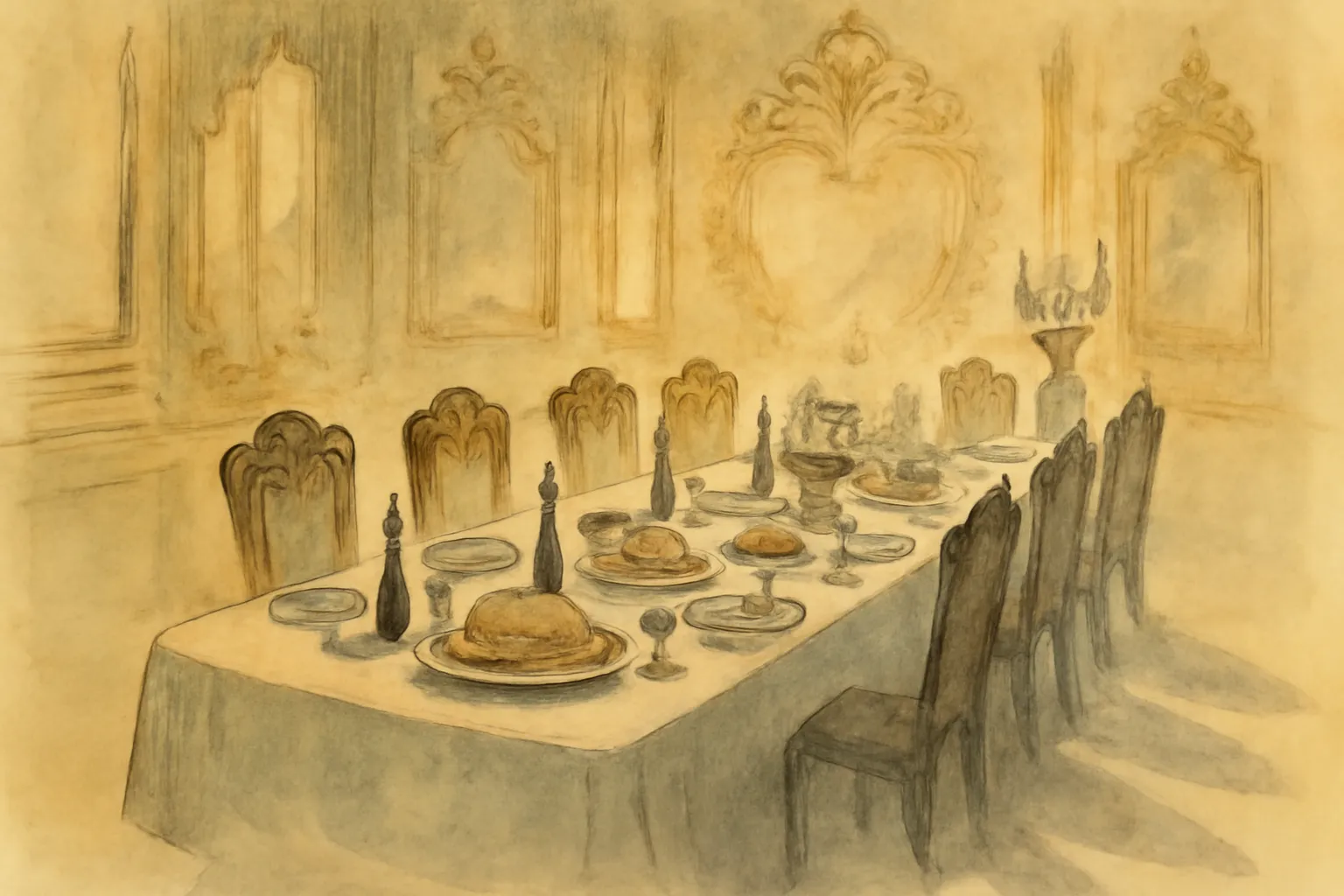
1.Taste as a Social Weapon
Bourdieu argues that what we like—our tastes in music, art, fashion, and food—is not simply a matter of individual preference or innate sensibility. Instead, taste functions as a social weapon, a way people distinguish themselves from others and assert their position in the social hierarchy. The ruling classes define what is considered 'legitimate' culture, and these standards are internalized by society, often unconsciously, reinforcing class divisions.
2.Habitus: The Internalization of Class
Central to Bourdieu’s theory is the concept of 'habitus'—the deeply ingrained habits, skills, and dispositions we acquire through our upbringing and social environment. Habitus shapes how we perceive and judge the world, including our tastes. It means that our preferences are not just personal quirks, but reflect the social conditions in which we were raised, making class differences seem natural or inevitable.
3.Cultural Capital and Social Mobility
Bourdieu introduces the idea of 'cultural capital'—the knowledge, skills, and tastes that confer social advantages. Unlike economic capital, cultural capital is less visible but just as powerful in maintaining class boundaries. Those with high cultural capital can navigate elite institutions and social circles more easily, while those without it face subtle forms of exclusion, making true social mobility difficult.
4.The Arbitrary Nature of Aesthetic Judgment
The book challenges the belief that judgments of taste are universal or objective. Bourdieu demonstrates that what is considered 'good' or 'bad' taste is arbitrary, shaped by the preferences of the dominant class. This exposes the ways in which aesthetic standards are used to legitimize social inequalities, presenting them as matters of natural distinction rather than power.
5.Everyday Practices and Social Reproduction
Bourdieu meticulously documents how everyday choices—what to eat, how to decorate a home, which sports to play—are all infused with class meaning. These practices, repeated across generations, serve to reproduce social structures. The seeming innocence of taste thus becomes a mechanism for the ongoing reproduction of privilege and disadvantage.
6.Sociology of Culture as Critique
By analyzing taste sociologically, Bourdieu invites readers to question the legitimacy of cultural hierarchies. His work is not just descriptive but critical, aiming to reveal the hidden power dynamics at work in culture. This perspective empowers readers to see culture as a field of struggle, not a neutral arena of individual expression.