1.The Illusion of Order Through Division
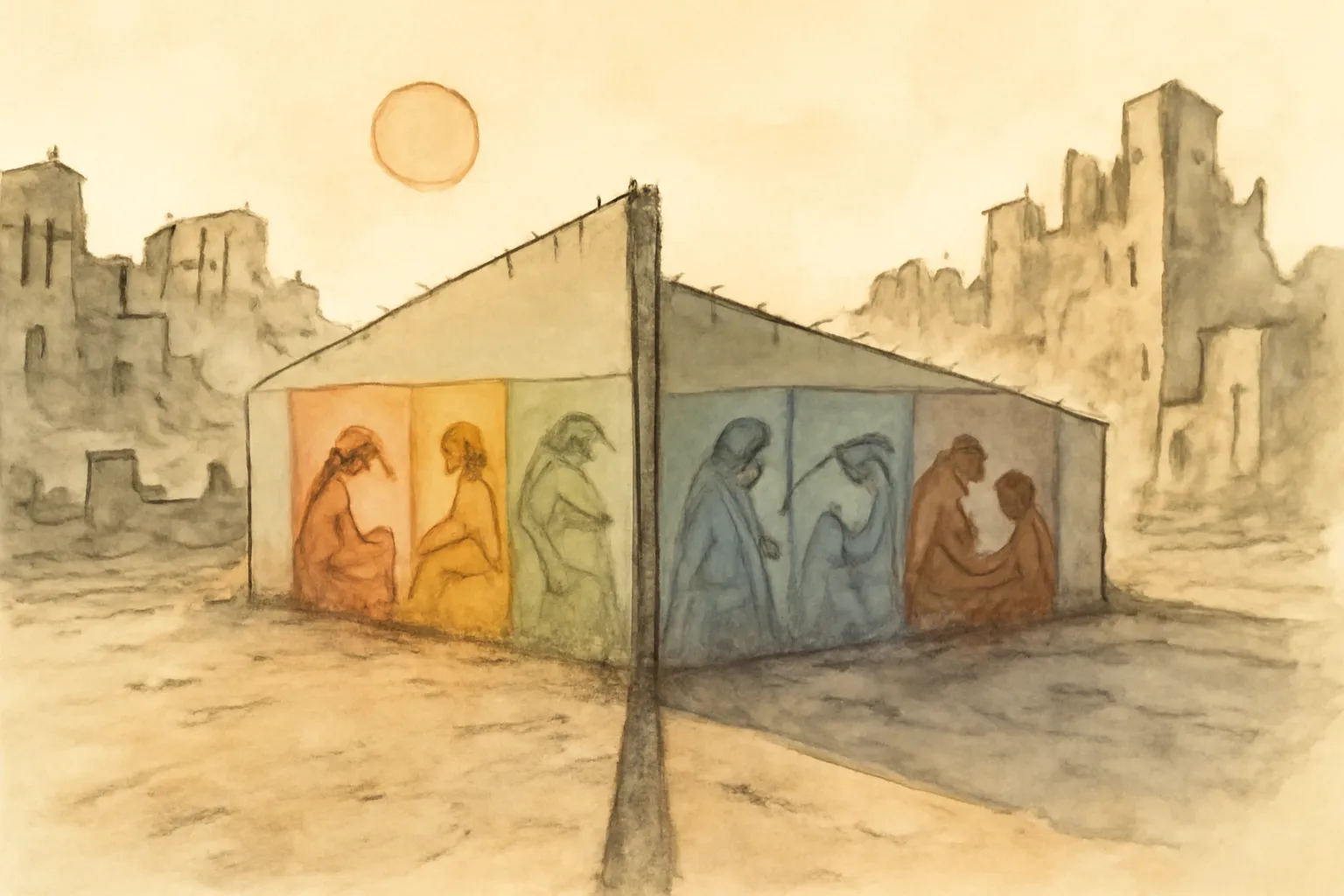
Divergent’s world is rigidly organized into five factions, each embodying a single virtue: Abnegation (selflessness), Dauntless (bravery), Erudite (intelligence), Amity (peace), and Candor (honesty). This system promises harmony but ultimately exposes the dangers of oversimplifying human nature. The novel critiques attempts to impose order by suppressing complexity, showing how such systems breed conformity, resentment, and eventual unrest.
2.Identity and Choice
At the heart of Divergent is the struggle to define oneself in a society that demands conformity. The protagonist, Tris, must choose between loyalty to her family and her own emerging identity. Her journey explores the tension between societal expectation and personal authenticity, emphasizing that true identity often lies beyond labels and categories.
3.The Power and Peril of Divergence
Tris’s 'divergence'—her ability to fit into more than one faction—marks her as both a threat and a hope. Divergence symbolizes the richness of human complexity and the danger it poses to authoritarian systems. The book uses this trait to ask whether embracing our full selves, rather than limiting ourselves to one virtue, is the key to both personal and societal resilience.
4.Fear, Bravery, and Vulnerability
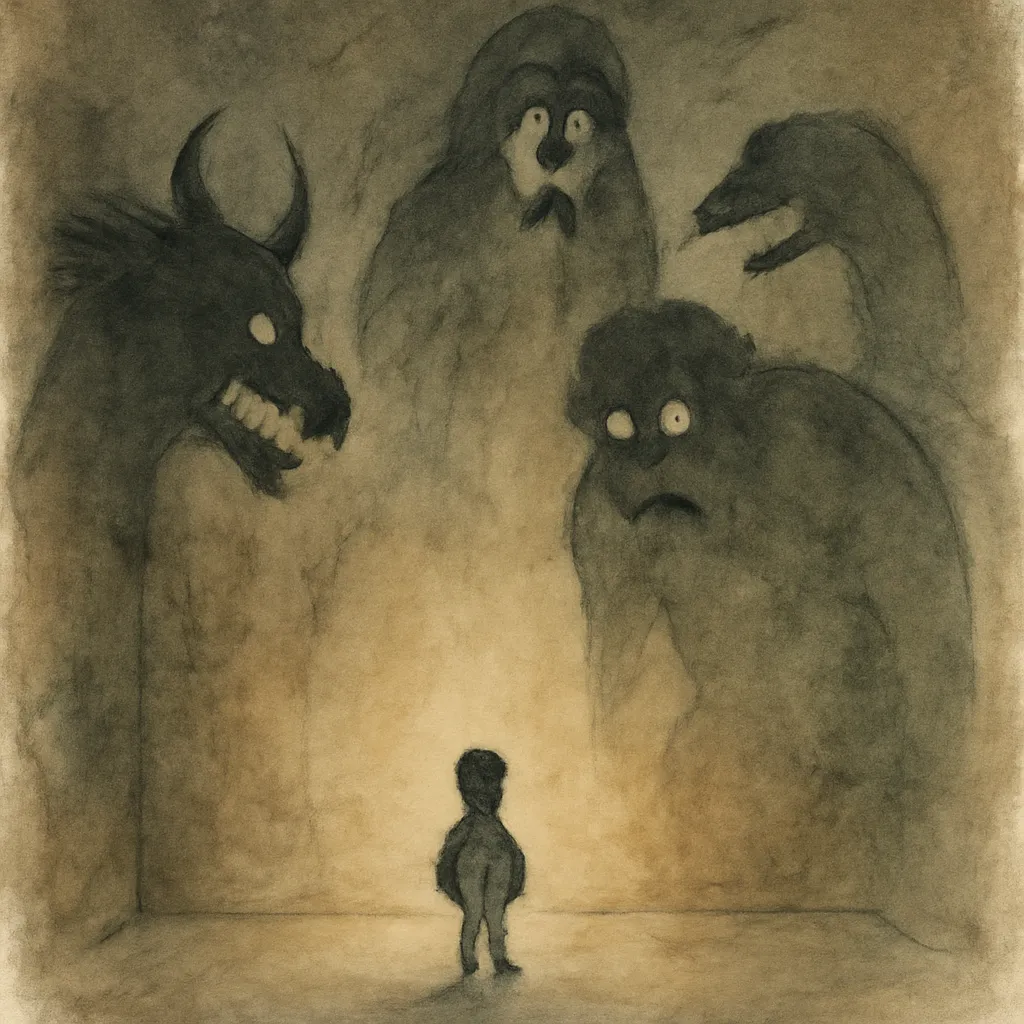
Divergent explores the true meaning of courage—not the absence of fear, but the willingness to confront it. Through Dauntless initiation and Tris’s internal struggles, the novel suggests that vulnerability and self-awareness are essential to bravery. This theme challenges the glorification of reckless heroism, advocating instead for thoughtful, principled action.
5.Manipulation and Control
The novel exposes how those in power manipulate information and exploit fear to maintain control. The Erudite faction’s propaganda and the use of mind-control serums illustrate the dangers of unchecked authority and the ease with which truth can be distorted. Divergent encourages readers to question narratives and recognize the importance of independent thought.
6.Sacrifice and Loyalty
Tris’s choices repeatedly pit her sense of loyalty against her need for self-preservation. The story probes the costs and limits of sacrifice—both for individuals and for the greater good—raising questions about when loyalty becomes self-destructive and when it is essential for meaningful change.