1.Moral Ambiguity in a Corrupt World
Stone’s characters operate in a landscape where traditional values have eroded, and survival often means compromising one’s ethics. The novel doesn’t offer easy heroes or villains; instead, it explores how ordinary people become complicit in corruption and violence, reflecting a broader societal malaise. The blurred lines between right and wrong force readers to confront uncomfortable truths about complicity and the cost of living without clear moral anchors.
2.The Vietnam War’s Lingering Trauma
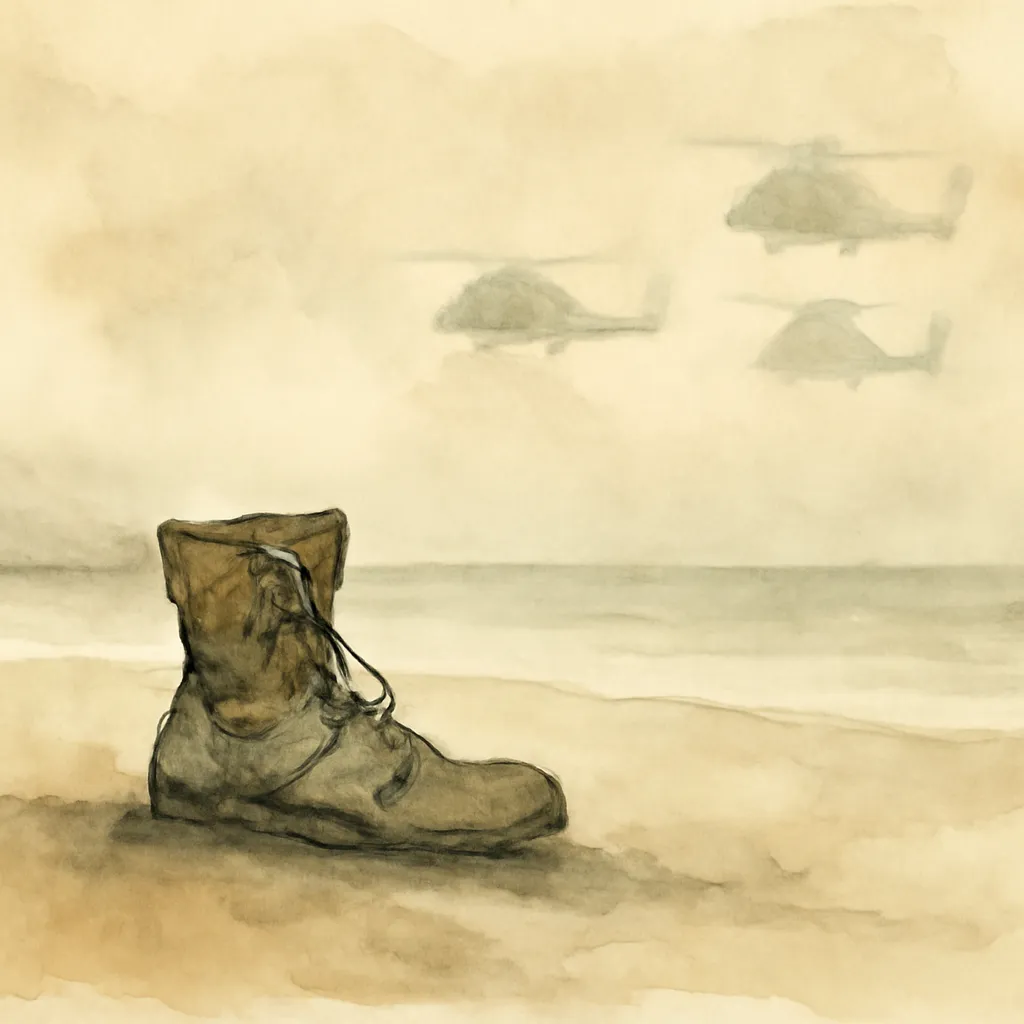
Dog Soldiers is steeped in the psychological fallout of the Vietnam War. The protagonist, John Converse, returns from reporting in Vietnam with a sense of alienation and moral numbness, which drives his desperate decision to smuggle heroin. The war’s chaos and cynicism echo throughout the novel, shaping its characters’ actions and worldview. Stone suggests that the war’s damage extends far beyond the battlefield, infecting American life with paranoia, distrust, and spiritual exhaustion.
3.The Collapse of the American Dream
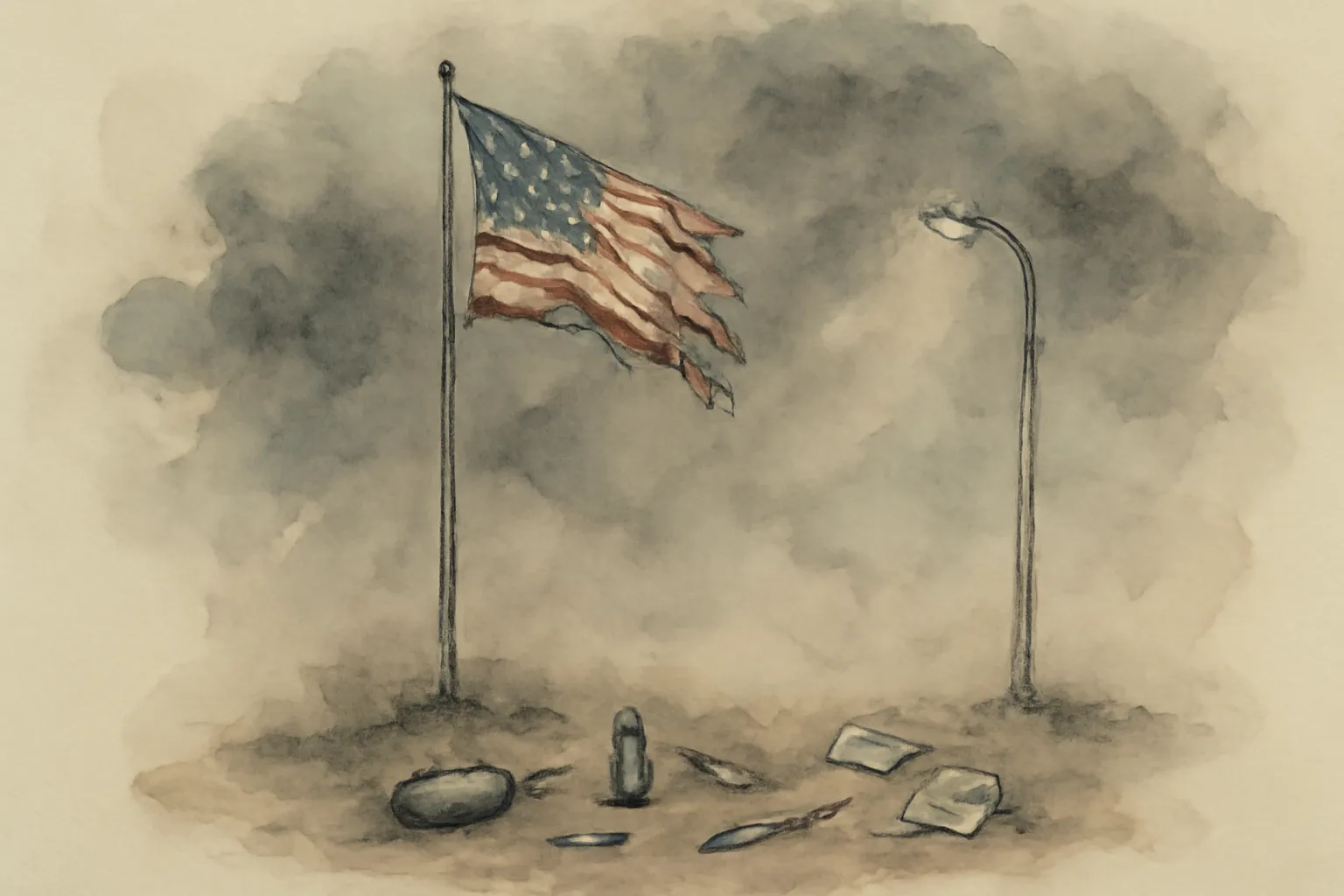
Set against the backdrop of the 1970s, the novel captures a moment when faith in American ideals is crumbling. The pursuit of quick wealth through drug deals replaces the pursuit of happiness, and the characters’ failed attempts at escape or redemption mirror a broader national disillusionment. Stone’s America is a place where dreams curdle into nightmares, and hope is often a dangerous illusion.
4.Existential Desperation and Search for Meaning
Stone’s characters are propelled by a restless search for meaning in a world that seems hollowed out by cynicism. Their reckless choices and doomed relationships reflect a deeper existential crisis: the struggle to find purpose when old certainties have vanished. The novel’s bleak humor and moments of dark insight highlight the human need for connection and belief, even in the most desperate circumstances.
5.The Power and Limits of Loyalty
Friendship and loyalty are tested to the breaking point in Dog Soldiers. As the characters become entangled in betrayal and violence, Stone examines how trust is both a survival strategy and a liability. The shifting alliances and betrayals underscore the fragility of human bonds in a world where everyone is out for themselves.
6.Paranoia and the Breakdown of Trust
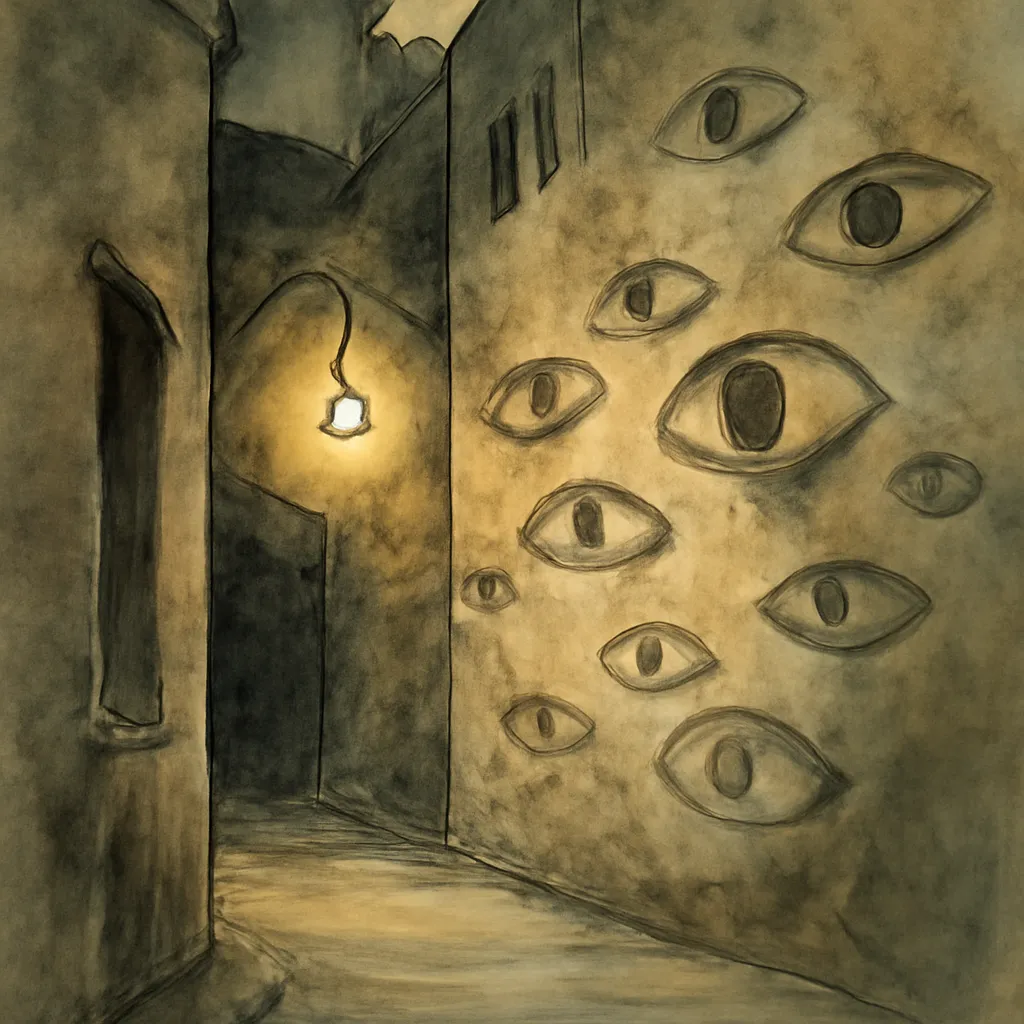
Throughout the novel, paranoia is pervasive, fueled by the threat of law enforcement, double-crosses, and the characters’ own guilty consciences. Stone uses this atmosphere of suspicion to mirror the larger cultural mood of the era, where institutions and personal relationships alike are infected by distrust. This pervasive anxiety becomes both a plot driver and a metaphor for a society unraveling.