1.The Power of Innocence and Kindness
Dorothy embodies innocence and kindness, which are central to her character and significantly influence her interactions throughout the narrative. Her ability to empathize with others allows her to connect deeply with both friends and foes. For example, when she meets Jim the Cab-Horse, who is worn down and weary, her immediate concern is for his well-being, demonstrating her nurturing nature. This compassion is further tested when Dorothy confronts the cold and thorny Sorcerer of the Mangaboos. Instead of responding with fear or aggression, she calmly explains their unintentional arrival and expresses understanding. This approach reveals how kindness can disarm even the most hostile of characters, opening doors to dialogue and resolution rather than conflict. Throughout her journey, Dorothy's innocent perspective serves as a reminder that genuine compassion can transform enemies into allies, a crucial lesson for readers of all ages.
2.Facing Fear with Courage
Courage plays a pivotal role in the story as Dorothy and her friends navigate their way through the various challenges presented in the Land of Oz. Initially, Dorothy experiences fear during the earthquake, which leads to their unexpected adventure. However, she quickly realizes that fear can also be a catalyst for bravery. For instance, when she finds herself in the Garden of the Twining Vines, faced with the threat of being consumed, her determination to save herself and her friends shines through. Dorothy's instinctive heroism becomes infectious, inspiring Jim and Zeb to rally together to create a plan of escape. Their collaborative efforts mirror the essence of courage — not the absence of fear but the ability to act despite it. This message resonates deeply, encouraging readers to confront their fears and embrace challenges, reinforcing that courage often emerges in the face of adversity.
3.The Importance of Friendship and Teamwork
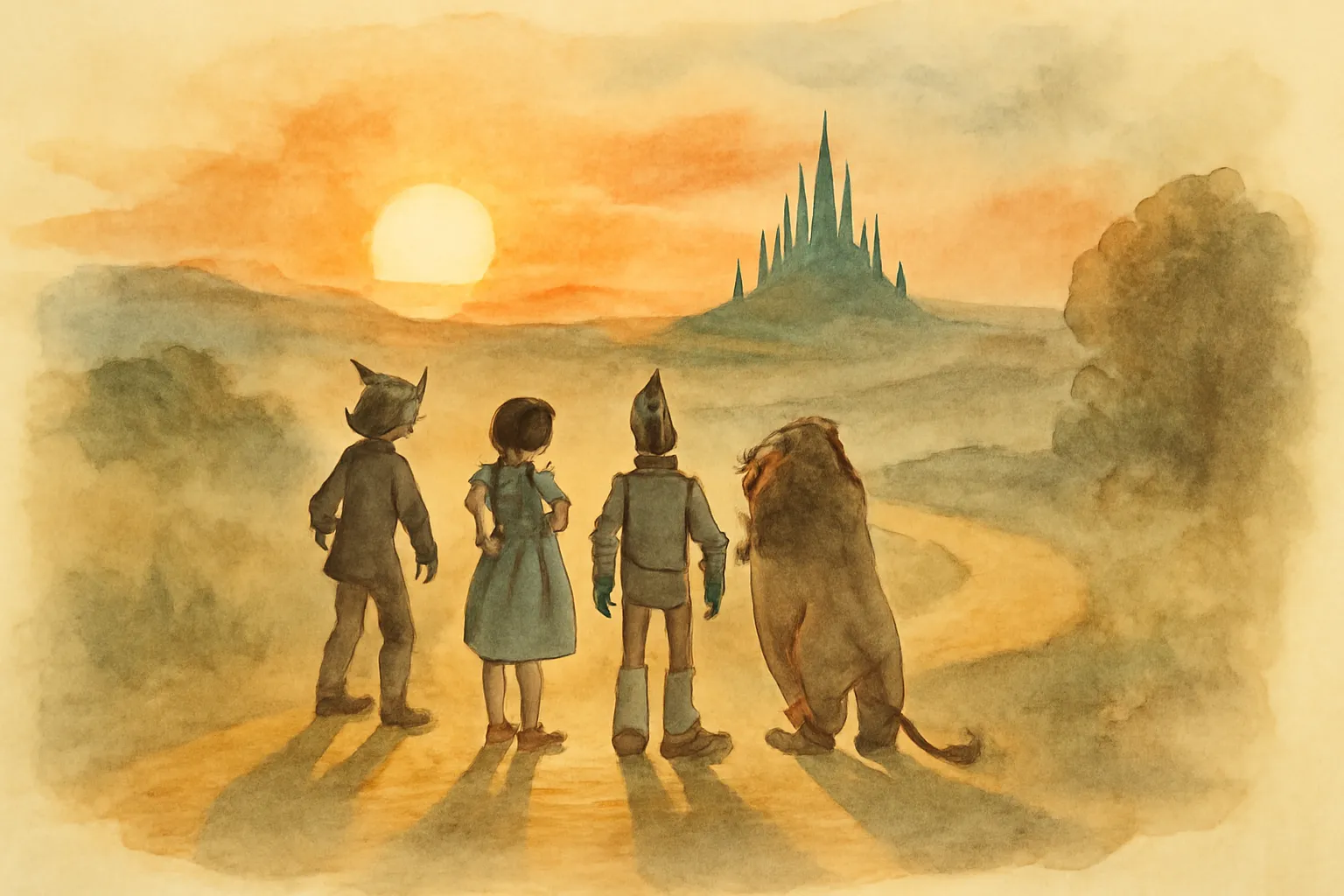
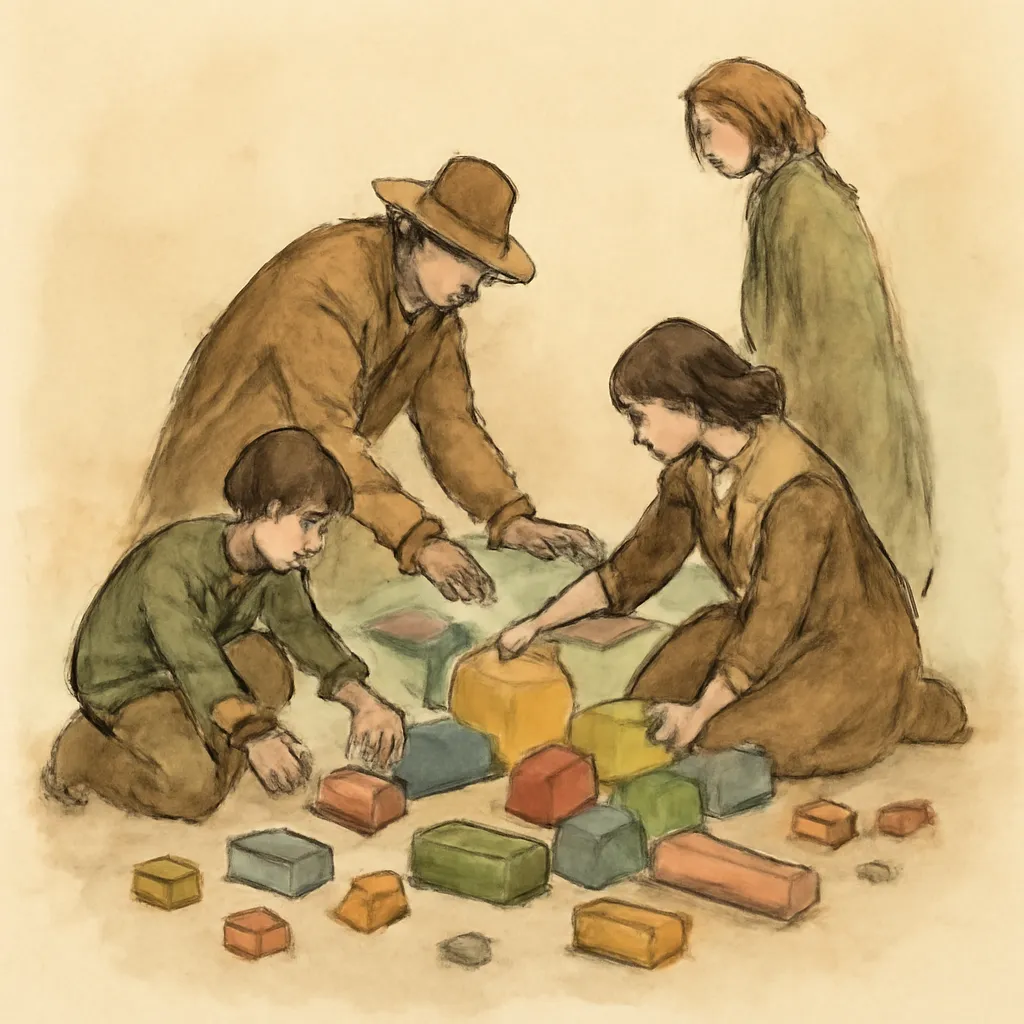
The bonds of friendship are crucial to Dorothy's journey, as they highlight the strength found in unity and collaboration. Each character brings unique skills and perspectives that contribute to their collective success. For example, Jim the Cab-Horse, initially perceived as merely a means of transportation, proves to be a vital ally with his strength and resilience when faced with danger. Zeb, the boy who accompanies Dorothy, transforms from a sleepy passenger into a brave companion, showcasing character development fueled by friendship. When they encounter threats from the Mangaboos, it is their teamwork and shared determination that allows them to devise clever solutions, such as when they choose to pick the Royal Princess together. This theme reinforces the idea that successful outcomes are often the result of collective effort, encouraging readers to value collaboration and support in their own lives.
4.The Quest for Identity and Purpose
As the characters traverse the Land of Oz, they embark on a journey of self-discovery, seeking their identities and understanding their roles within this fantastical world. Dorothy, who initially longs for home, begins to appreciate her strength and the impact she has on those around her. Jim, the Cab-Horse, shifts from a life of servitude to understanding his own worth in the context of their adventures, while Zeb grows from a passive observer to an active participant in the quest. This exploration of identity becomes particularly evident when they confront the Sorcerer and the societal structure of the Mangaboos. The characters’ experiences reveal that true purpose is often found through adversity and challenges. This aspect of the narrative speaks to readers, encouraging them to reflect on their personal journeys and the significant moments that shape their identities.
5.The Duality of Beauty and Danger
The Land of Oz is depicted as a realm filled with breathtaking beauty that often conceals underlying dangers. The stunning glass city and colorful gardens enchant the characters, yet they quickly learn that not everything is as it seems. The Mangaboos, despite their visually appealing surroundings, lack the warmth and compassion that define true beauty. This duality serves as a powerful metaphor for the complexities of life, reminding readers to look beyond surface-level appearances. When Dorothy and her friends confront the Sorcerer, they realize that beauty can mask cruelty and indifference. The narrative encourages a deeper understanding of the world, urging readers to appreciate the qualities of kindness and empathy over mere aesthetic appeal. This lesson about the duality of beauty and danger is timeless, inviting readers to cultivate awareness in their perceptions of people and situations.
6.Resourcefulness in Adversity
Resourcefulness emerges as a central theme as Dorothy and her companions face various obstacles throughout their adventures. Their ability to think creatively and adapt to challenging circumstances underscores the importance of quick wit. For instance, during the ordeal in the Garden of the Twining Vines, Dorothy's ingenuity shines when she devises a plan to escape, drawing on the strengths of her friends to create a solution. The Wizard's cleverness also plays a role; despite being a self-proclaimed humbug, he utilizes his knowledge of magic to distract the Gargoyles. This resourcefulness demonstrates that even in dire situations, finding innovative solutions can turn the tide. The characters’ experiences emphasize the idea that creativity and adaptability are vital tools in overcoming adversity, inspiring readers to approach their challenges with similar ingenuity and resilience.
7.The Nature of Leadership
The narrative delves into the concept of leadership, contrasting the ineffective rule of the Sorcerer with the compassionate and just leadership of Princess Ozma. The Sorcerer, who fails to protect and guide his people, ultimately loses his power when the Princess takes her rightful place as ruler. This shift represents the transition towards a more empathetic and understanding form of leadership. Princess Ozma embodies qualities such as kindness, fairness, and the ability to inspire others, making her a beloved figure among the inhabitants of Oz. The story illustrates that true leadership is not merely about authority but about responsibility and the well-being of the community. Readers are encouraged to reflect on the qualities that define effective leaders, reinforcing the importance of empathy, integrity, and the ability to connect with others in positions of power.
8.The Role of Magic and Wonder
Magic serves as a significant element of 'Dorothy and the Wizard in Oz', enhancing the fantastical landscape and providing opportunities for adventure. The whimsical nature of the story reflects the limitless possibilities of imagination, where magical events can lead to unexpected twists and discoveries. However, the narrative also suggests that magic is not a substitute for personal strength or resolve. While the Wizard's tricks add excitement, it is Dorothy's heart and her ability to inspire those around her that truly shape their destiny. This juxtaposition illustrates that while magic can create enchanting experiences, it is the human spirit and connection that ultimately drive the story forward. Readers are invited to embrace the wonder of life while recognizing that true power lies within their actions and relationships.
9.The Value of Home and Belonging
Dorothy's longing for home serves as a poignant reminder of the value of belonging and the ties that bind us to our loved ones. While she experiences the wonders of Oz, her heart remains firmly rooted in Kansas, where her family awaits. This contrast between the magical world and her home life emphasizes the importance of connections and the comfort of familiarity. Dorothy's desire to return home becomes a recurring motif, culminating in her realization that true happiness stems from being with those we love. The final resolution of the story reinforces this theme, as Dorothy learns that adventures may be thrilling but the love of family offers the greatest sense of security. This exploration of home and belonging resonates universally, encouraging readers to appreciate the relationships that provide meaning and joy in their lives.
10.Moral Lessons Embodied in Characters
The characters in 'Dorothy and the Wizard in Oz' serve as embodiments of various moral lessons that resonate throughout the narrative. From the heartless Mangaboos, who lack compassion and warmth, to the supportive friends who rally around Dorothy, each character illustrates important virtues. The Wizard, while initially presented as a fraud, ultimately demonstrates that everyone has inherent value and potential for growth. His transformation from a mere illusionist to a figure of wisdom highlights the theme of redemption and personal development. Similarly, Princess Ozma exemplifies the qualities of a just ruler, embodying empathy and fairness. Through their interactions, the story imparts valuable life lessons about kindness, leadership, and the importance of character, reinforcing the idea that our actions define who we are and the impact we have on the world around us.