1.Visual Storytelling Amplifies the Epic
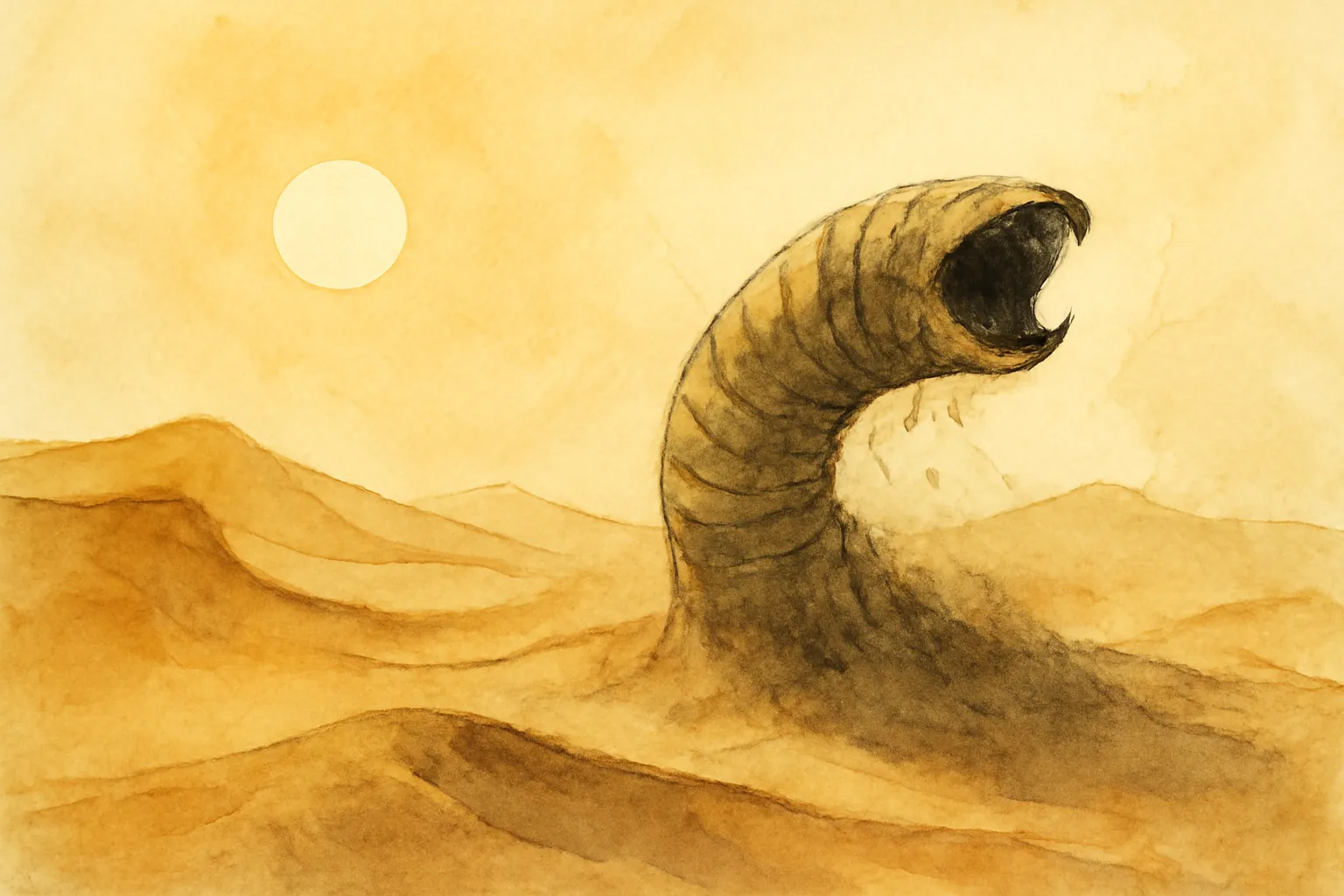
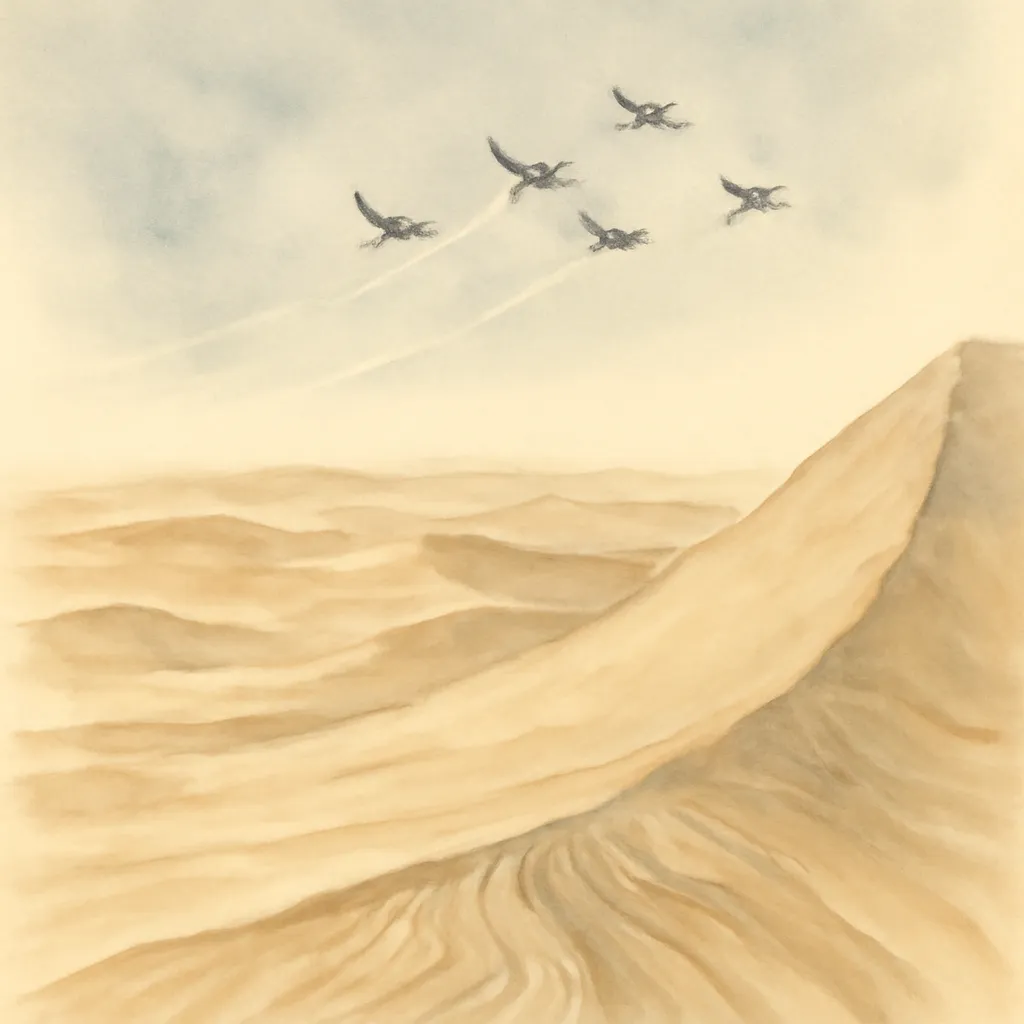
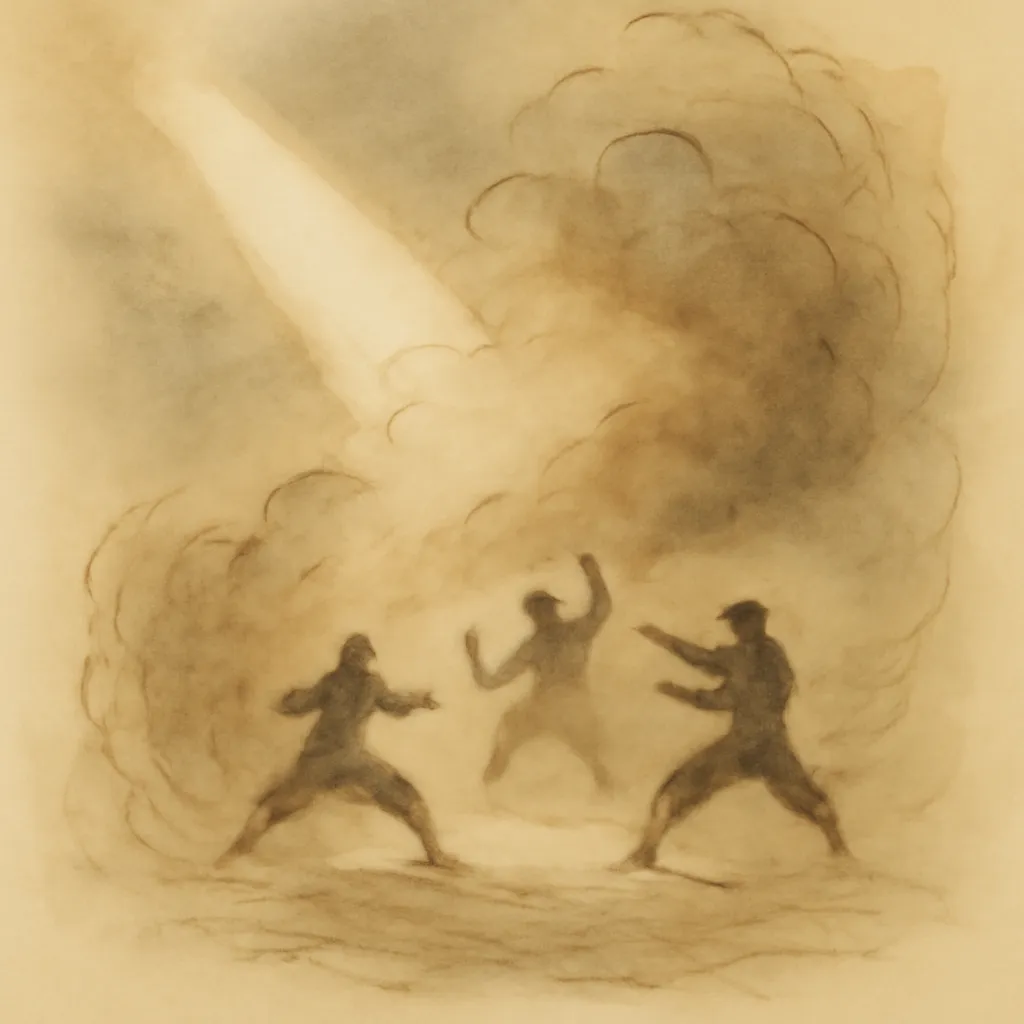
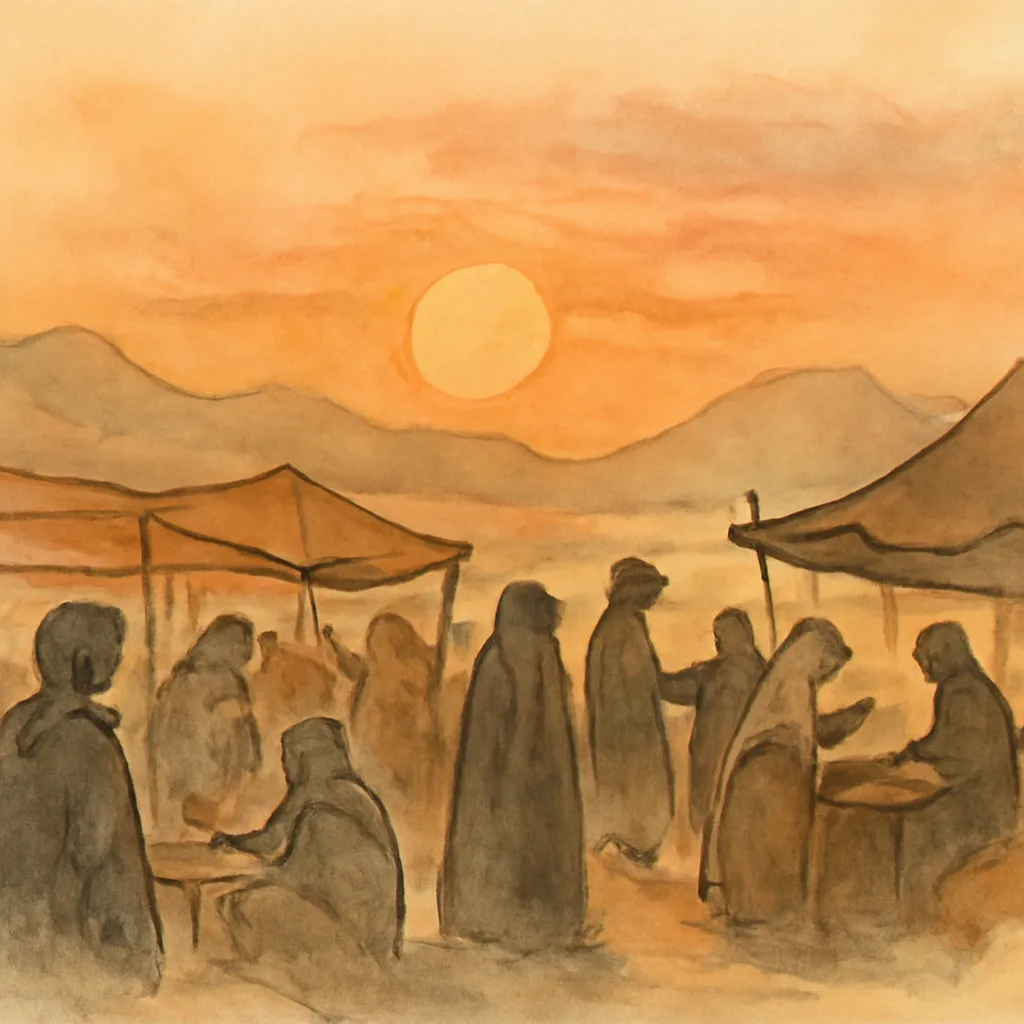
The graphic novel format transforms Dune’s dense narrative into a visually accessible experience. Raúl Allén and Patricia Martín’s artwork conveys the vastness of Arrakis, the harshness of the desert, and the grandeur of its cultures in a way that words alone cannot. The illustrations not only complement the text but also evoke the emotional and atmospheric depth of Herbert’s universe, making complex themes and character relationships more immediate and engaging.
2.Power, Politics, and Betrayal
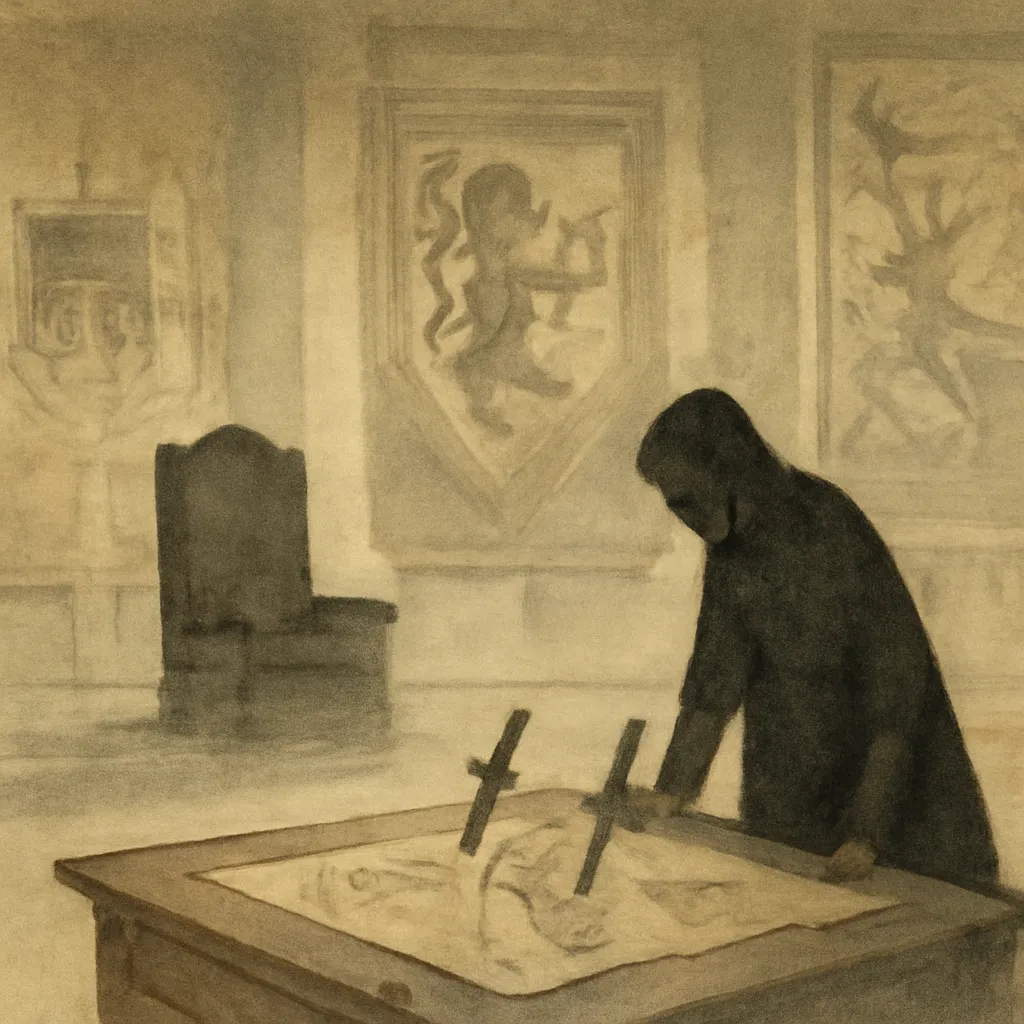
At its heart, Dune is a story about the treacherous interplay of power among noble houses. The Atreides family’s stewardship of Arrakis is fraught with political intrigue, manipulation, and betrayal. The graphic novel distills these dynamics, showing how loyalty, ambition, and deception shape destinies. Readers witness Paul Atreides’ coming-of-age amid plots and counterplots, highlighting the cost of leadership and the dangers of empire.
3.Environmentalism and Survival
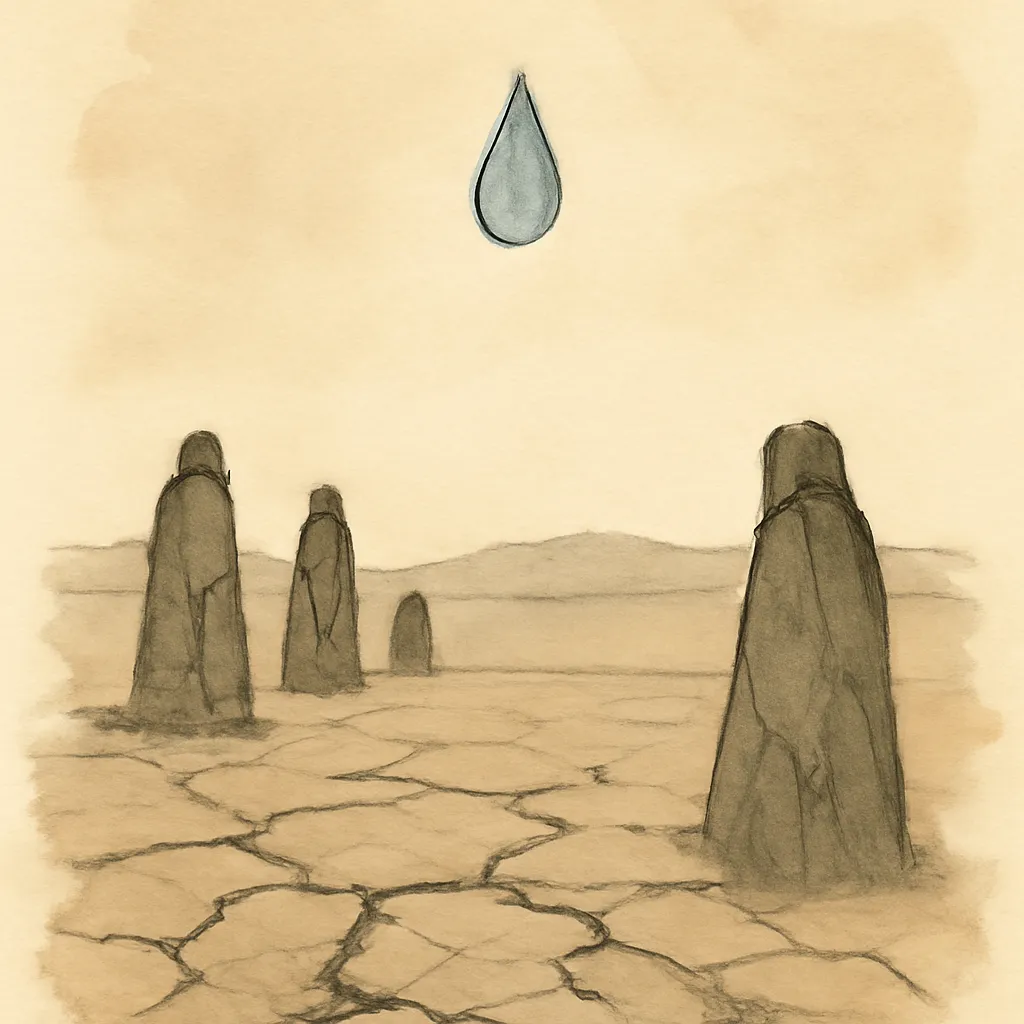
Dune’s ecological message is as relevant today as ever. The graphic adaptation vividly depicts Arrakis as a living, hostile world where water is precious and survival depends on understanding the planet’s rhythms. The Fremen, native inhabitants, embody resilience and adaptation, offering a vision of coexistence with nature rather than domination. The story’s focus on the spice melange—vital for interstellar travel—serves as a metaphor for resource scarcity and environmental exploitation.
4.Mysticism and Human Potential
The Bene Gesserit, Paul’s mother Jessica, and Paul himself represent the intersection of mysticism, genetics, and human evolution. The graphic novel captures the tension between fate and free will, as Paul’s visions and training push him toward a messianic destiny. Themes of prophecy, religious manipulation, and the limits of human perception are woven throughout, challenging readers to consider the nature of power and belief.
5.Faithful Adaptation with Modern Appeal
Brian Herbert and Kevin J. Anderson’s adaptation remains true to Frank Herbert’s original vision while making the story accessible to a contemporary audience. The streamlined narrative and careful selection of scenes ensure clarity without sacrificing depth. The graphic novel honors the complexity of the source material, balancing exposition with action and dialogue, making it ideal for both newcomers and seasoned fans.
6.The Enduring Relevance of Dune
Dune’s exploration of leadership, ecology, and cultural conflict resonates across generations. The graphic novel’s format invites readers to engage with these themes visually and emotionally, underlining the story’s timeless relevance. In an era grappling with environmental crises and shifting power structures, Dune’s warnings and insights feel especially urgent.