1.The Burden of the Past
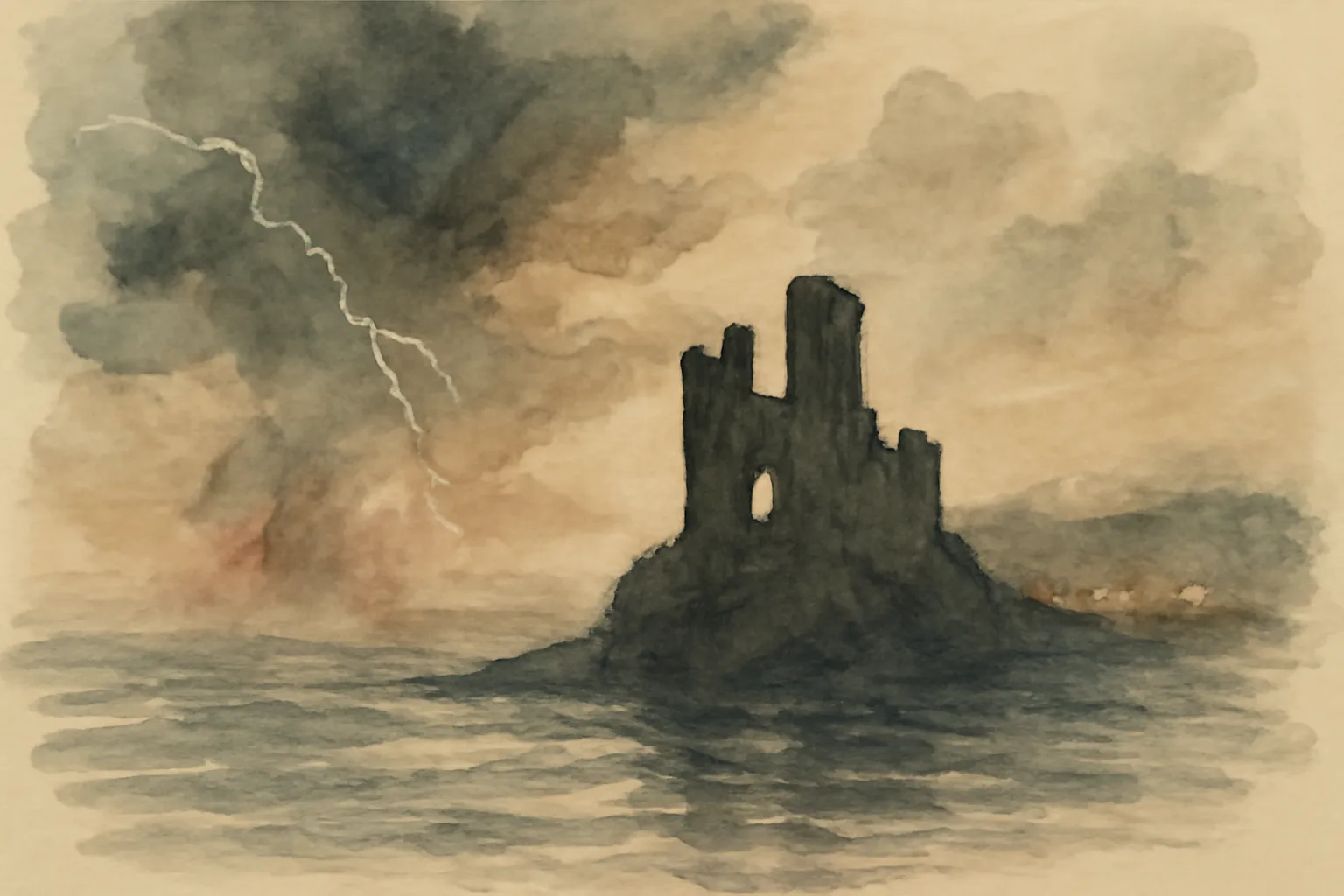
Edmond Dantès carries the weight of his past as both a victim and a vengeful figure, which profoundly shapes his identity and actions. In the novel's early moments, Dantès reflects on the consequences of his previous decisions while embracing his new life as the Count of Monte-Cristo. The juxtaposition of his former self with his current persona illustrates the psychological toll of vengeance. Dantès' evolution from a wronged sailor to a powerful political figure represents a complex interplay between personal grievances and the broader social landscape. His internal struggle is not merely about revenge but also about reconciling with the man he once was. For instance, Dantès struggles with his feelings towards those who betrayed him, revealing his desire for justice intertwined with a longing for forgiveness, showcasing the intricate layers of human emotion and the quest for redemption.
2.Political Awakening and Revolutionary Spirit
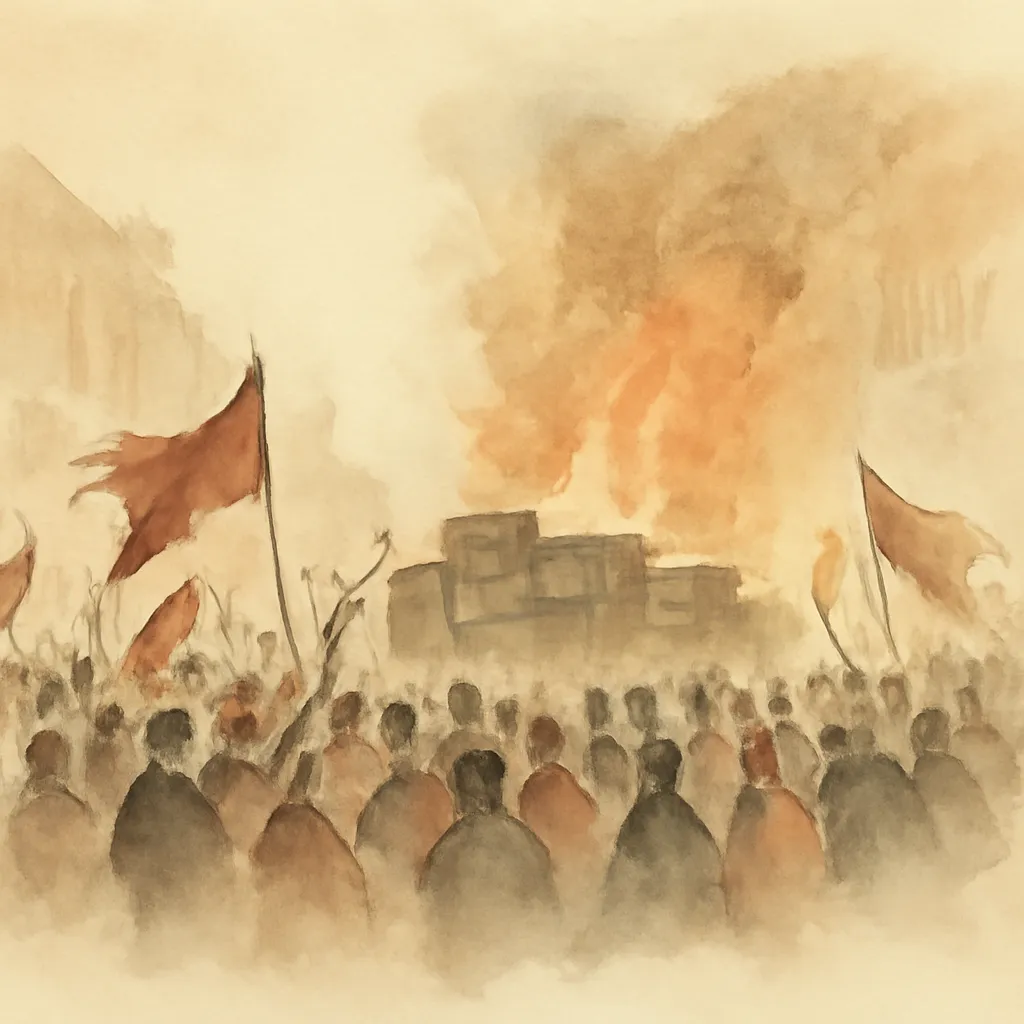
The novel intricately weaves Dantès' personal narrative with the revolutionary fervor sweeping through France in 1848. As a Deputy from Marseilles, Dantès becomes embroiled in the political turmoil of the time, advocating for the working class and championing the cause of the oppressed. His speeches resonate with the populace, igniting their passion for reform and justice. The author skillfully portrays the chaotic atmosphere of Paris, where citizens rally for change amid the backdrop of barricades and protests. Dantès embodies the hope and determination of a generation yearning for equality, making his journey a reflection of the collective struggle for liberty. Furthermore, the narrative highlights how Dantès' oratory skills draw admiration and support, showcasing how a single voice can mobilize a community. This intertwining of personal and political quests illustrates the transformative power of revolution, reshaping identities and destinies through collective action.
3.Love and Loyalty Amidst Chaos

Throughout the narrative, the themes of love and loyalty are profoundly explored, particularly through Dantès' relationships with Haydee, Zuleika, and his old acquaintances. The love story between Dantès and Haydee, marked by passion and devotion, serves as a poignant reminder of the transformative power of love in turbulent times. Their bond is tested by external forces, including political upheaval and personal betrayals, yet it ultimately proves to be a source of strength. Zuleika, Dantès' daughter, introduces a new generation to the narrative, symbolizing hope for the future. Their interactions reflect the shifting dynamics of familial and romantic relationships in a period marked by uncertainty. Additionally, loyalty is depicted through characters such as Maximilian Morrel and Mercedes, whose unwavering support grounds Dantès as he navigates the complexities of his dual identity. This exploration of love and loyalty amid chaos enhances the emotional depth of the story, emphasizing the human capacity to connect and endure despite adversity.
4.The Complexity of Revenge

Dantès' past actions, driven by revenge, continue to haunt him as he grapples with the moral implications of his choices. While he initially seeks to right the wrongs done to him, he comes to realize that revenge can have far-reaching consequences, affecting not just his enemies but also the innocent bystanders caught in the crossfire. The character of Benedetto serves as a stark reminder of how vengeance can spiral out of control, leading to unintended tragedies. Their encounter compels Dantès to confront the consequences of his past decisions, highlighting the inevitable cycle of violence that can ensue from a desire for retribution. As he navigates this moral landscape, Dantès' journey ultimately becomes one of atonement, as he learns to channel his energy into constructive actions that uplift society rather than perpetuate cycles of violence. This evolution underscores a critical examination of the nature of revenge and its ability to consume individuals, prompting readers to consider the transformative potential of forgiveness and the importance of breaking the cycle.
5.A Tapestry of Diverse Characters
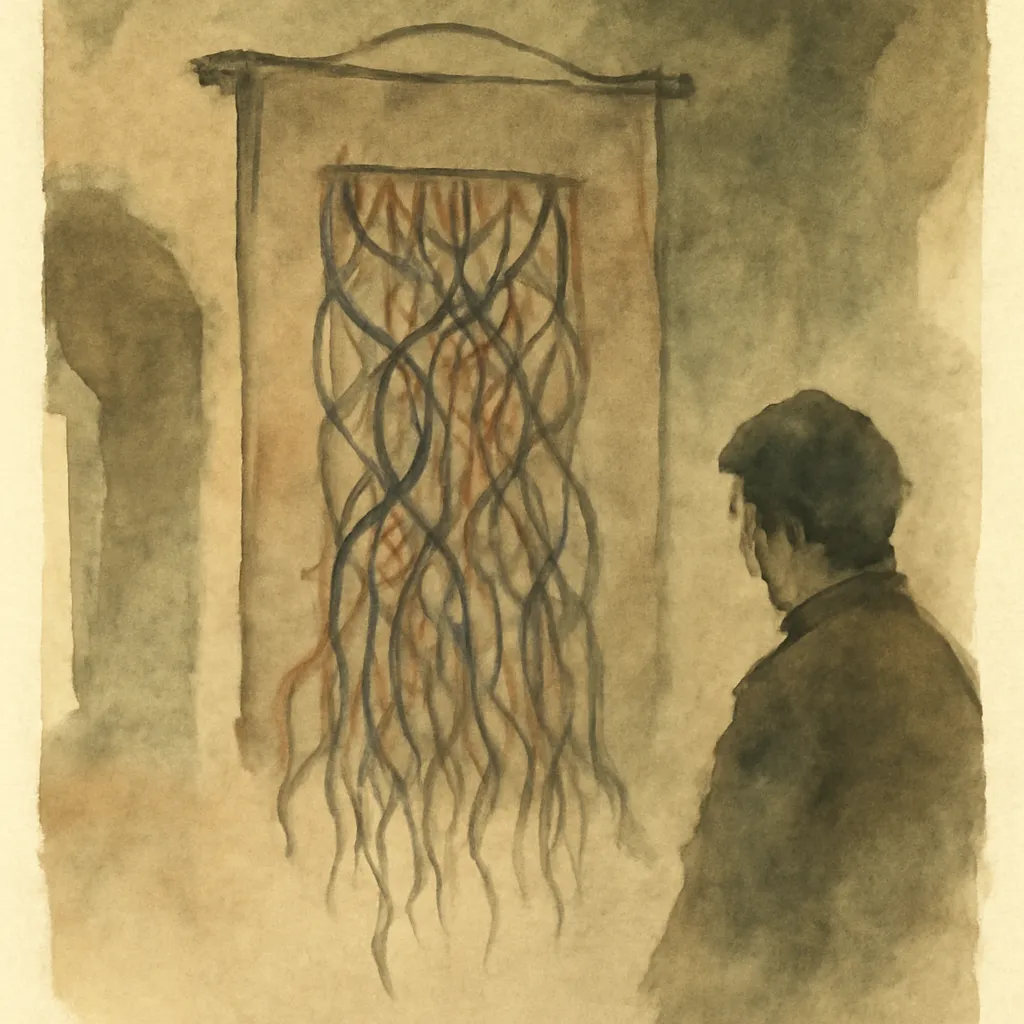
The novel is enriched by a diverse cast of characters, each representing different facets of society and contributing to the overarching themes of love, loyalty, and revolution. Figures such as Mercedes, Eugenie Danglars, and Albert de Morcerf reappear, their lives intertwined with Dantès in unexpected ways. Their individual arcs highlight the varied responses to the revolutionary climate, from those who embrace change to those who resist it. The author intricately crafts each character's backstory, allowing readers to understand their motivations and desires. Characters like Lamartine and Ledru Rollin introduce historical figures into the narrative, grounding the fictional elements in real political movements and ideologies. This tapestry of characters not only adds depth to the story but also illustrates the interconnectedness of personal and political struggles during a time of great upheaval. Each character's journey reflects the broader societal changes occurring in France, emphasizing the novel's exploration of collective identity and the multitude of voices within a revolution.
6.The Role of Journalism and Public Opinion

Journalism plays a pivotal role in shaping public opinion and influencing the course of events in 'Edmond Dantès'. The character of Beauchamp, a journalist, embodies the power of the press as a tool for advocacy and change. Through his writings, he captures the sentiments of the people, rallying support for Dantès' cause and highlighting the struggles of the working class. Beauchamp's interactions with other characters reveal the intricacies of media influence, including the challenges of maintaining integrity amidst political pressures. The novel underscores the importance of media in a democratic society, illustrating how journalism can serve as a catalyst for reform. As public sentiment shifts, the characters must navigate the complexities of perception and representation, revealing the intricate relationship between media, politics, and social movements. This exploration of journalism's impact adds another layer to the narrative, emphasizing the responsibility that comes with wielding such influence and the potential consequences of misinformation during times of upheaval.
7.Historical Context and Realism

The backdrop of the 1848 French Revolution provides a rich historical context that enhances the narrative's realism and emotional resonance. The author meticulously details the events leading up to the revolution, from the discontent among the working class to the political maneuvers of the ruling elite. This historical grounding not only lends credibility to the story but also allows readers to understand the complexities of the era. Dantès' experiences are deeply intertwined with the socio-political landscape, illustrating how individual lives are shaped by larger historical forces. The vivid depictions of protests, barricades, and the fervor of the masses create a palpable sense of urgency, drawing readers into the tumultuous world of 19th-century France. Additionally, the author uses authentic historical figures and events to create a believable narrative, blurring the lines between historical fact and fiction. This commitment to historical accuracy enriches the narrative, making it not just a tale of personal transformation but also a reflection on the broader currents of history and society.
8.Moral Ambiguity and Ethical Dilemmas

The characters in 'Edmond Dantès' grapple with moral ambiguity and ethical dilemmas that challenge their convictions and relationships. Dantès himself faces the question of whether the means justify the ends as he navigates the treacherous waters of political life. His decisions often have far-reaching consequences, prompting readers to consider the complexities of right and wrong in a world rife with injustice. The interactions between characters reveal the gray areas of morality, where loyalty, betrayal, and personal ambition intersect. Dantès' choices, particularly regarding the use of violence and his responses to betrayal, spark debates about justice and the cost of freedom. This exploration of ethical dilemmas adds depth to the narrative, encouraging readers to engage with the characters' struggles on a philosophical level. As Dantès confronts the repercussions of his choices, the novel invites reflection on the nature of justice and the moral responsibilities of individuals within society, ultimately asking what sacrifices one is willing to make for the greater good.
9.A Story of Resilience and Hope

At its core, 'Edmond Dantès' is a narrative of resilience and hope, illustrating the capacity of individuals to rise above their circumstances and effect meaningful change. Dantès' journey from vengeance to political activism serves as a powerful testament to the human spirit's ability to adapt and transform. Despite the challenges he faces, including betrayal and personal loss, Dantès remains steadfast in his commitment to justice and the well-being of others. His relationships with Haydee and Zuleika exemplify the transformative power of love, serving as anchors that ground him in his mission. The novel ultimately conveys a message of optimism, suggesting that even in the darkest times, hope can emerge through collective action and individual determination. Dantès' resolve to fight for the oppressed and his willingness to reconcile with his past reflect a profound belief in the possibility of a brighter future. This uplifting narrative arc resonates with readers, inspiring them to consider their roles in shaping a better future and reinforcing the idea that resilience is a shared endeavor fueled by love and community.