1.Love as Survival and Sanctuary
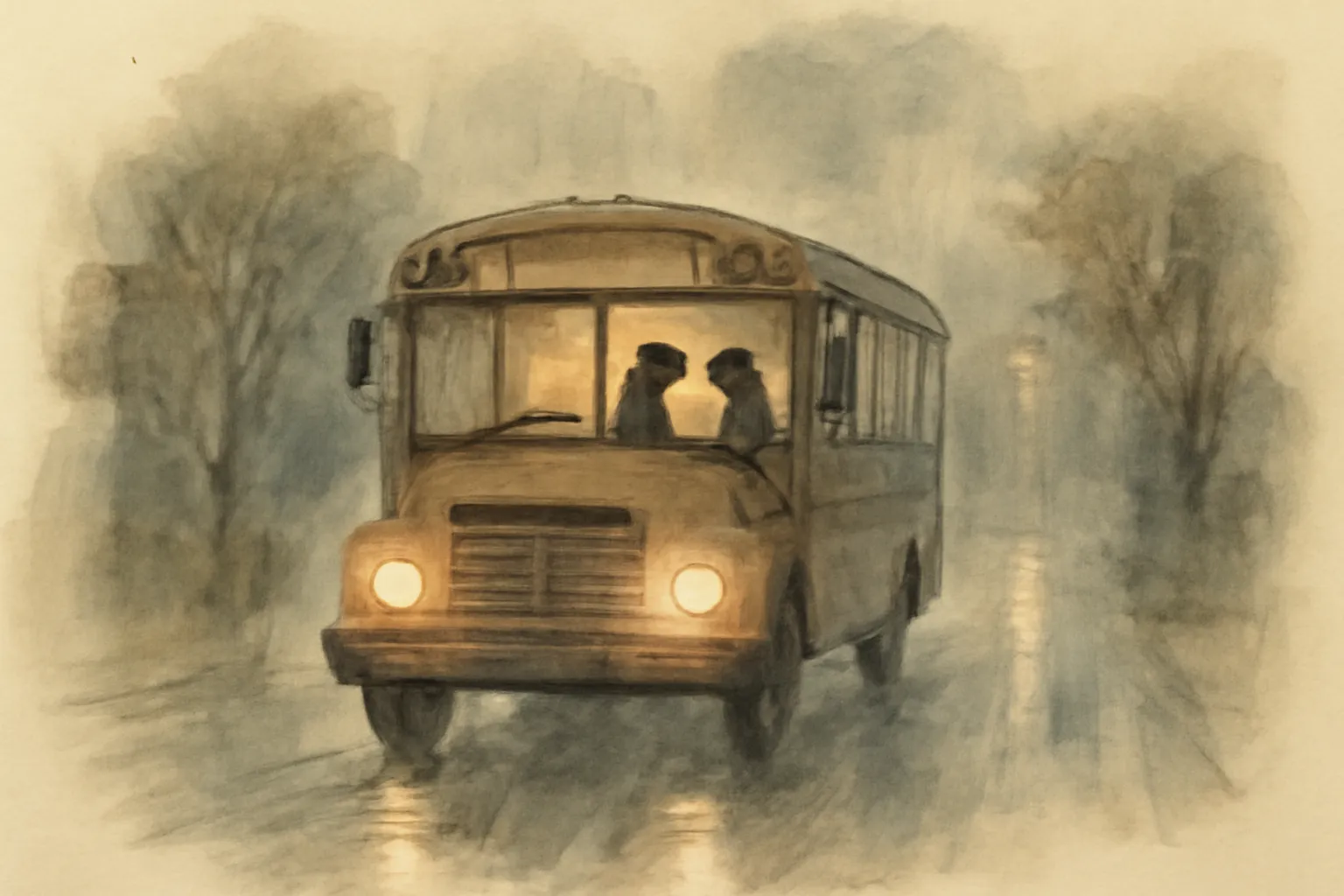
Eleanor and Park’s relationship is not just about romantic attraction; it becomes a lifeline for both. For Eleanor, whose home life is chaotic and abusive, Park offers safety and acceptance. For Park, Eleanor’s presence challenges him to see beyond his own comfort zone and question the norms of his community. Their love is a refuge from the harshness of their realities, showing how connection can be both healing and essential for survival.
2.Outsider Identity and Social Prejudice
Both protagonists are outsiders: Eleanor because of her appearance, poverty, and family situation; Park because of his mixed-race heritage and interests that set him apart from his peers. The novel explores the pain and resilience of being different in a conformist environment, highlighting the subtle and overt ways prejudice shapes their daily lives. Rowell shows that being an outsider can be isolating, but it can also foster empathy and strength.
3.Family Dynamics and Dysfunction
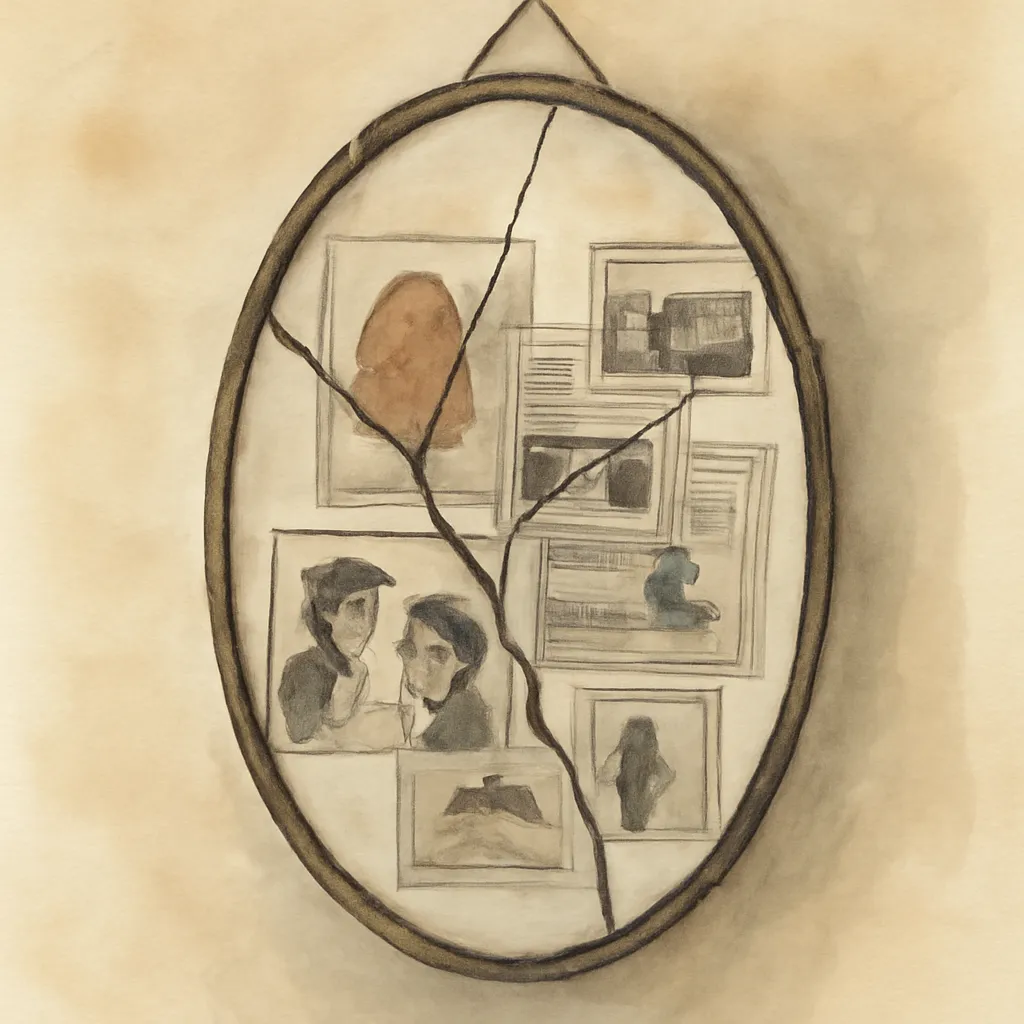
Family is a central force in the novel, shaping both Eleanor and Park’s experiences. Eleanor’s home life is marked by instability and fear, while Park’s is more stable but still fraught with misunderstanding and generational conflict. The book examines how family expectations, secrets, and failures can both wound and define young people, influencing their choices and sense of self.
4.The Power of Small Gestures
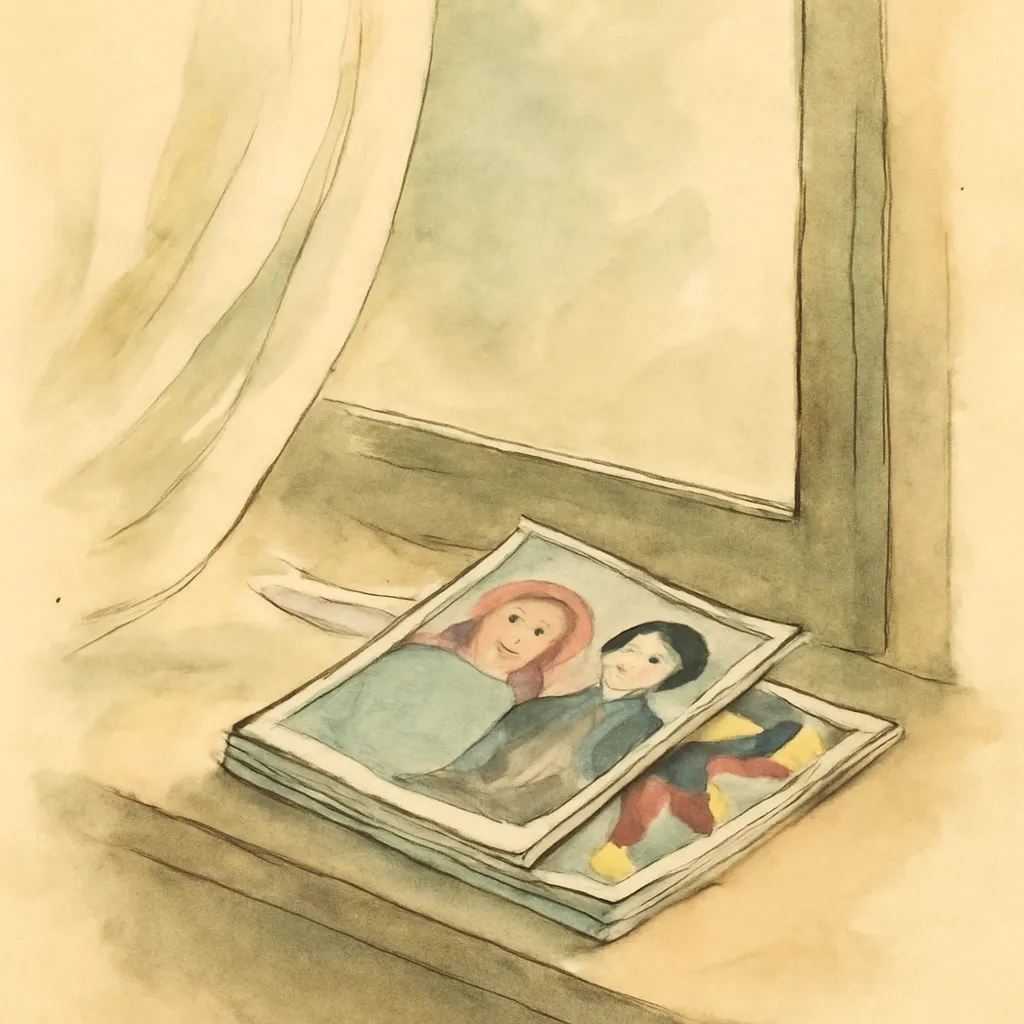
Rowell pays close attention to the small, everyday moments that build intimacy: sharing music, comic books, and silent glances. These minor acts become monumental for Eleanor and Park, who have little else to cling to. The novel reminds readers that love often grows in the details, and that kindness and attention can be revolutionary for someone who feels invisible.
5.The Realism and Limits of First Love
Eleanor & Park doesn’t romanticize first love as endless or easy. The protagonists are acutely aware that their circumstances may not allow their relationship to last. The novel is honest about the heartbreak, impermanence, and hope that come with young love, making their connection all the more poignant and believable.
6.Music and Pop Culture as Connection
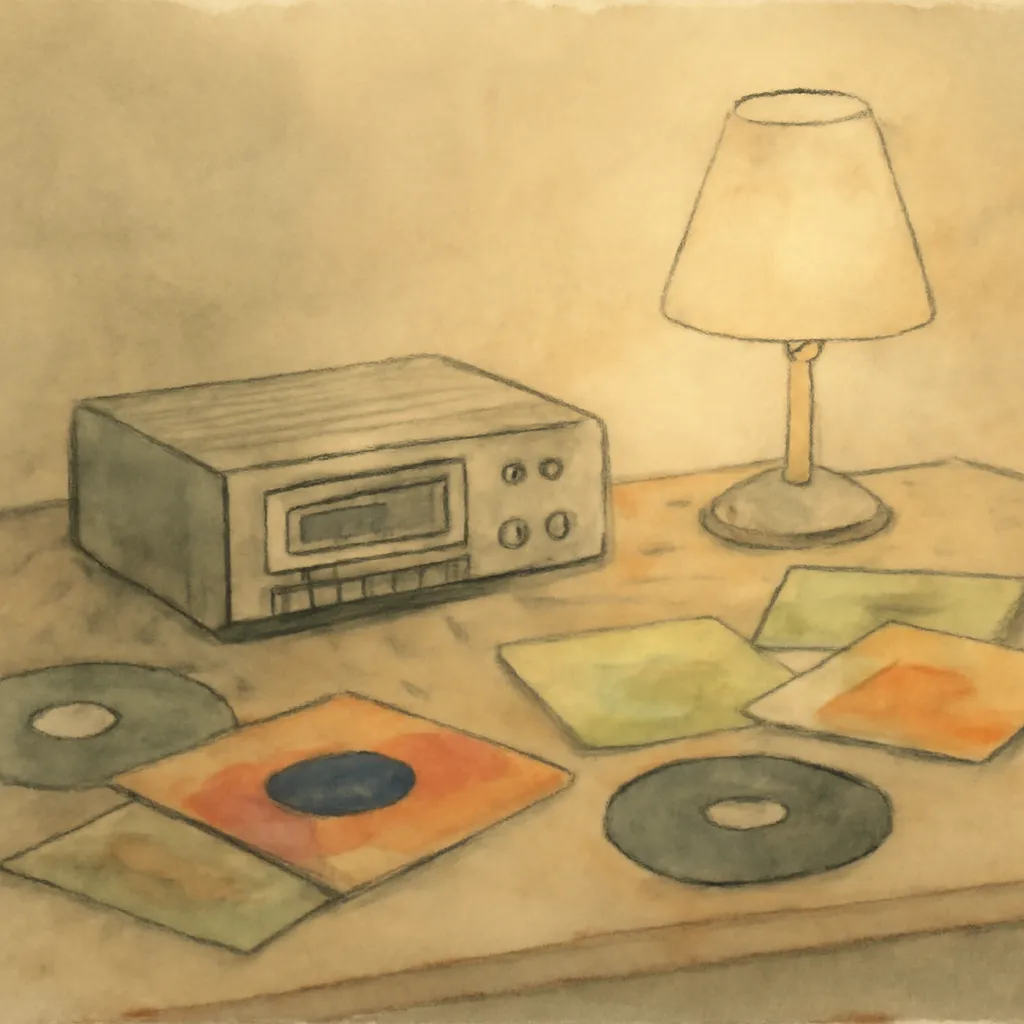
Set in the 1980s, the novel uses music and comics as threads that bind Eleanor and Park together. These shared interests become a language through which they express themselves and escape their realities. Pop culture is not just backdrop but a vital part of their emotional landscape, reflecting how teens use art to find identity and belonging.