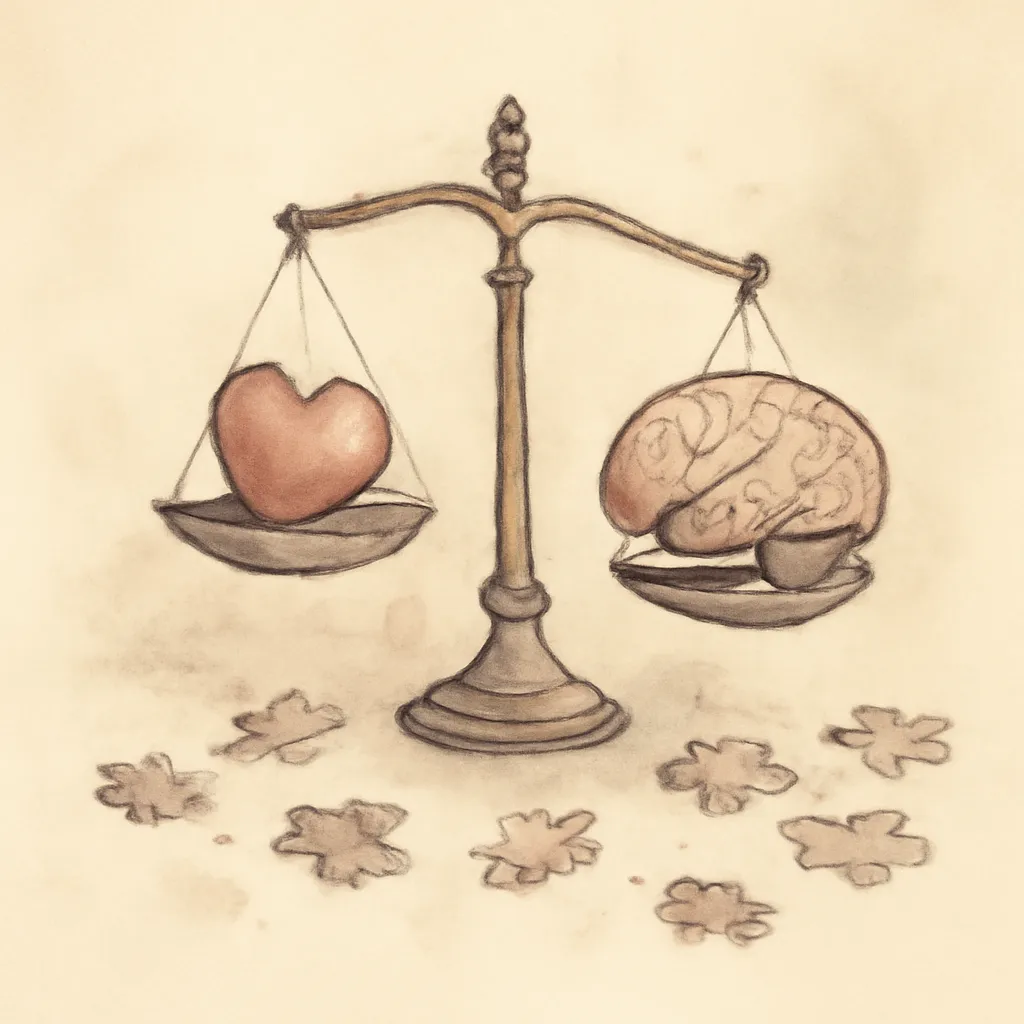
1.Emotional Intelligence vs. IQ
Goleman argues that traditional intelligence (IQ) explains only a fraction of life outcomes, such as success at work or in relationships. Emotional intelligence (EQ)—the ability to recognize, understand, and manage emotions—often plays a greater role. People with high EQ can navigate social complexities, handle stress, and make better decisions, sometimes outperforming those with higher IQs.
2.The Five Components of Emotional Intelligence
The book breaks EQ into five core skills: self-awareness, self-regulation, motivation, empathy, and social skills. Self-awareness means recognizing your own emotions; self-regulation is managing them constructively. Motivation involves channeling emotions to pursue goals. Empathy is sensing others' feelings, and social skills are about managing relationships. Mastery of these areas leads to better leadership, teamwork, and personal fulfillment.
3.The Brain’s Emotional Architecture
Goleman explores the neuroscience behind emotions, particularly the interplay between the 'emotional brain' (the limbic system) and the 'thinking brain' (the neocortex). He explains phenomena like the 'amygdala hijack,' where strong emotions can override rational thought, leading to impulsive reactions. Understanding this biology helps readers appreciate why emotional self-control is both challenging and crucial.
4.Emotional Intelligence Can Be Learned
Contrary to the belief that emotional traits are fixed, Goleman emphasizes that EQ skills can be developed at any age. Through conscious effort, feedback, and practice, individuals can improve their emotional awareness, empathy, and relationship management. This makes the book not just a diagnosis of modern problems, but a hopeful guide for personal development.
5.Impact on Work and Relationships
Goleman demonstrates how EQ affects performance in the workplace and the quality of personal relationships. Leaders with high EQ inspire loyalty and collaboration, while emotionally intelligent employees are more adaptable and resilient. In families and friendships, EQ fosters communication, conflict resolution, and deeper bonds.
6.Societal Implications and Education
The book advocates for integrating emotional learning into education, arguing that schools should teach children how to manage emotions and develop empathy, not just academic skills. Goleman suggests that cultivating EQ from an early age can reduce violence, improve mental health, and build more compassionate societies.