1.The Power of Developmental Genes
Carroll explains that a small toolkit of master regulatory genes, such as Hox genes, orchestrate the development of animal bodies. These genes act like switches, turning on and off other genes to build structures like limbs, eyes, and wings. The remarkable discovery is that these toolkit genes are ancient and shared across vastly different animals, suggesting that evolutionary innovation often comes not from inventing new genes, but from reusing and reconfiguring existing ones.
2.Evo Devo: Bridging Evolution and Development
The book highlights how evolutionary developmental biology (Evo Devo) bridges two previously separate fields—evolution and embryology. Carroll shows that changes in how and when genes are expressed during development can lead to dramatic differences in animal forms. This perspective helps explain the origin of new body plans and the explosion of diversity seen in the fossil record, especially during the Cambrian period.
3.Modularity and Reuse in Evolution
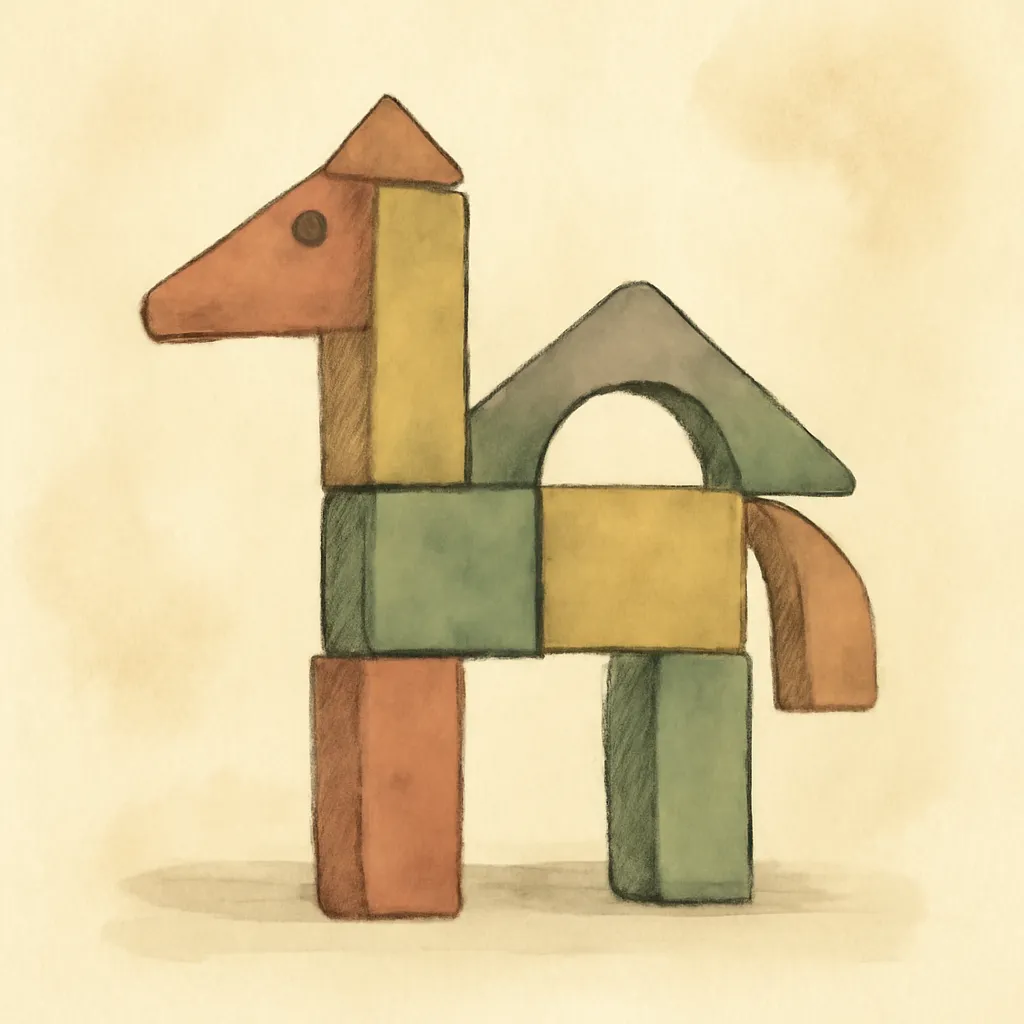
Carroll emphasizes the modular nature of animal bodies: complex organisms are built from repeating, interchangeable parts. Evolution often works by tweaking these modules—adding, subtracting, or modifying them—rather than inventing entirely new structures. This modularity makes evolution more flexible and efficient, allowing for rapid bursts of innovation and adaptation.
4.The Role of Gene Regulation
A central theme is that much of evolution operates not by changing the genes themselves, but by altering when, where, and how strongly they are activated. Changes in the regulatory regions of DNA can have profound effects on anatomy and function, explaining how similar genes can produce wildly different creatures.
5.The Deep Unity of Life
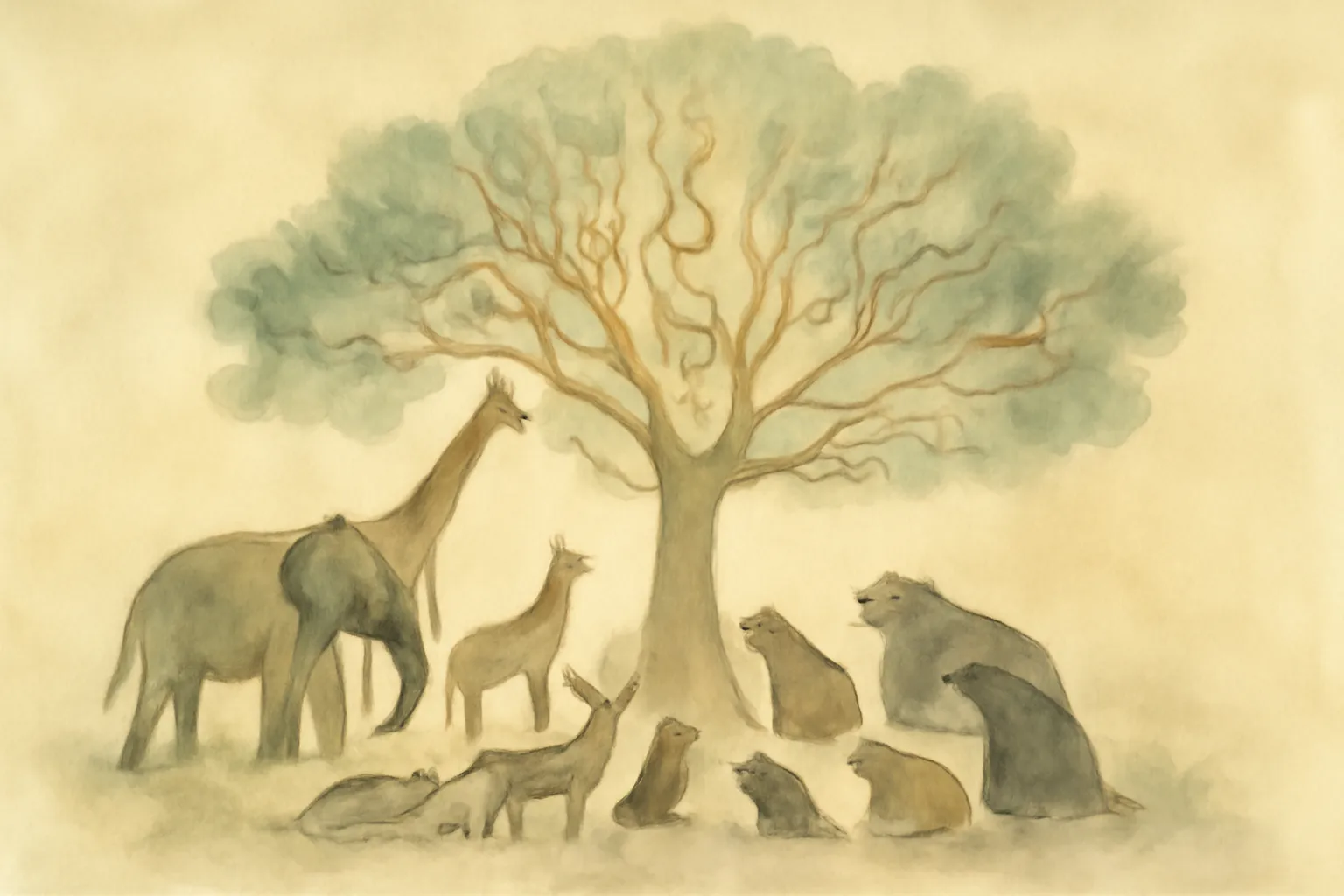
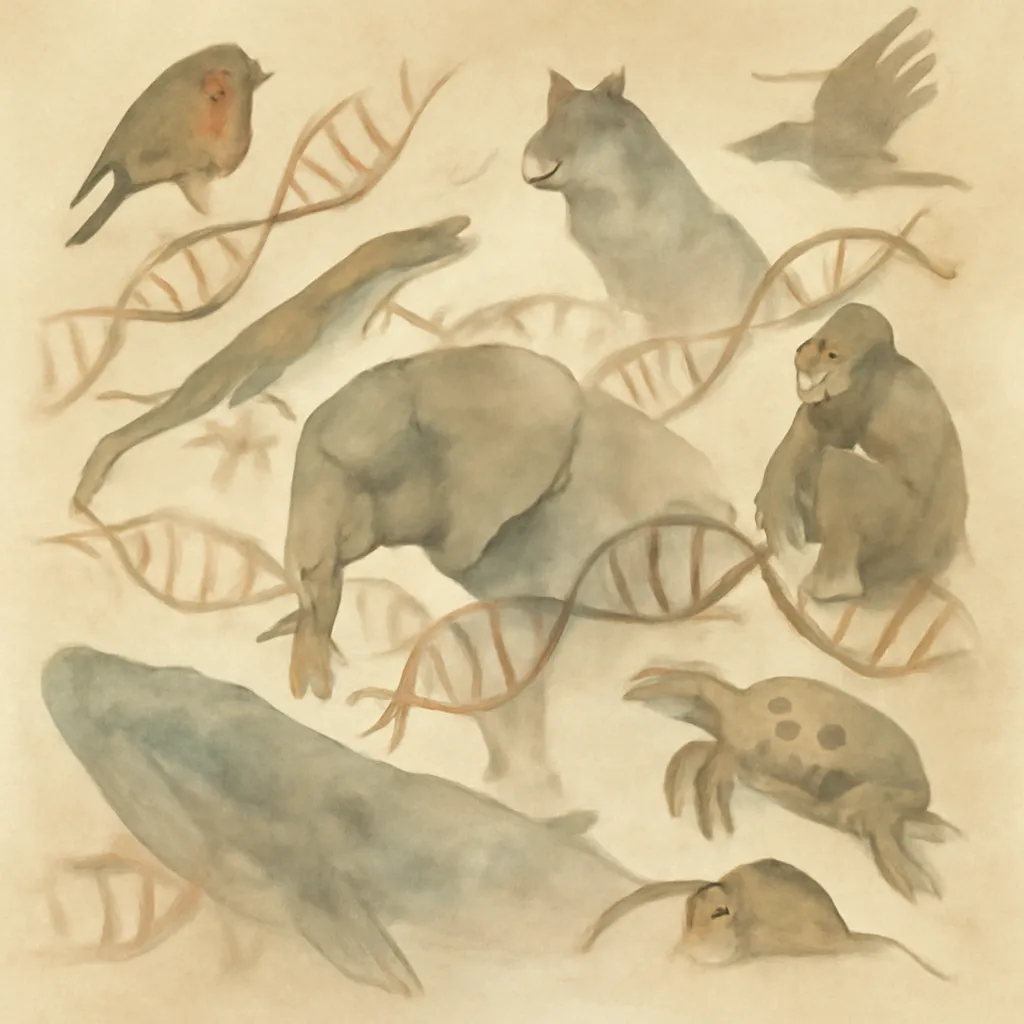
Carroll’s narrative uncovers a deep genetic kinship across the animal kingdom. Despite the vast differences in appearance and lifestyle, animals share a core set of genetic instructions. This unity is both humbling and awe-inspiring, revealing that all animal life is connected by threads of ancient genetic heritage.
6.Science as a Human Story
Beyond the science, Carroll brings to life the human side of discovery, profiling the researchers whose curiosity and persistence unraveled these genetic mysteries. He shows how scientific progress is driven by creativity, skepticism, and collaboration, making the story of Evo Devo as much about people as about genes.