1.Teleology in Evolution

Butler asserts that evolution cannot be fully understood without considering teleology—the idea that natural processes have purpose and design. He challenges the notion that the structures of animals and plants are merely the result of random variations, arguing instead that there is an evident contrivance in their forms. For instance, the complexity of the eye, which is intricately designed for the purpose of sight, suggests that it could not have arisen purely through chance. Butler's approach leads to a broader discussion about the implications of teleological thinking in science, positing that acknowledging purpose could lead to a more profound understanding of life’s interconnectedness. By employing examples from biology, he illustrates how features of living organisms appear to serve specific functions, thus inferring an underlying intent in their development. This perspective not only enriches the discourse on evolution but also complements philosophical inquiries into the nature of existence.
2.Critique of Darwin's Natural Selection
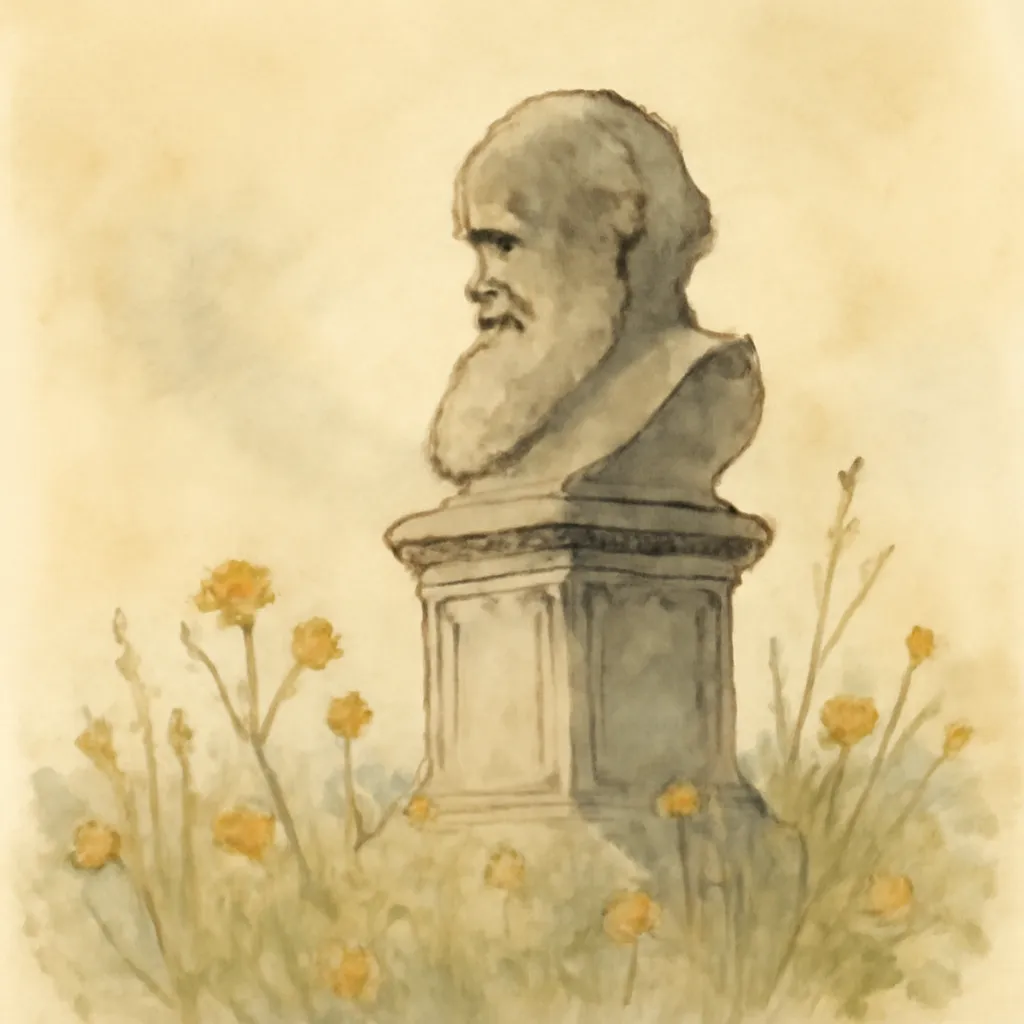
While Butler acknowledges the contributions of Darwin to the theory of evolution, he critiques the reliance on natural selection as the primary mechanism for change. He argues that Darwin's theory inadequately addresses the origins of variations, which must exist before they can be selected. This oversight, in Butler's view, undermines the robustness of Darwin's explanations. He emphasizes that understanding how variations arise—whether through external environmental influences or internal biological processes—is crucial for a complete picture of evolution. Butler uses examples from embryology and genetics to illustrate that variations can emerge from a variety of sources, not solely through survival pressures. By highlighting this gap, Butler calls for a more nuanced understanding that incorporates both natural selection and other forces of nature that influence species development, such as environmental pressures and inherent biological tendencies. This critique serves to invite further exploration into the mechanisms underpinning evolution and challenges the prevailing singular narrative often associated with Darwinian thought.
3.Historical Context of Evolutionary Thought
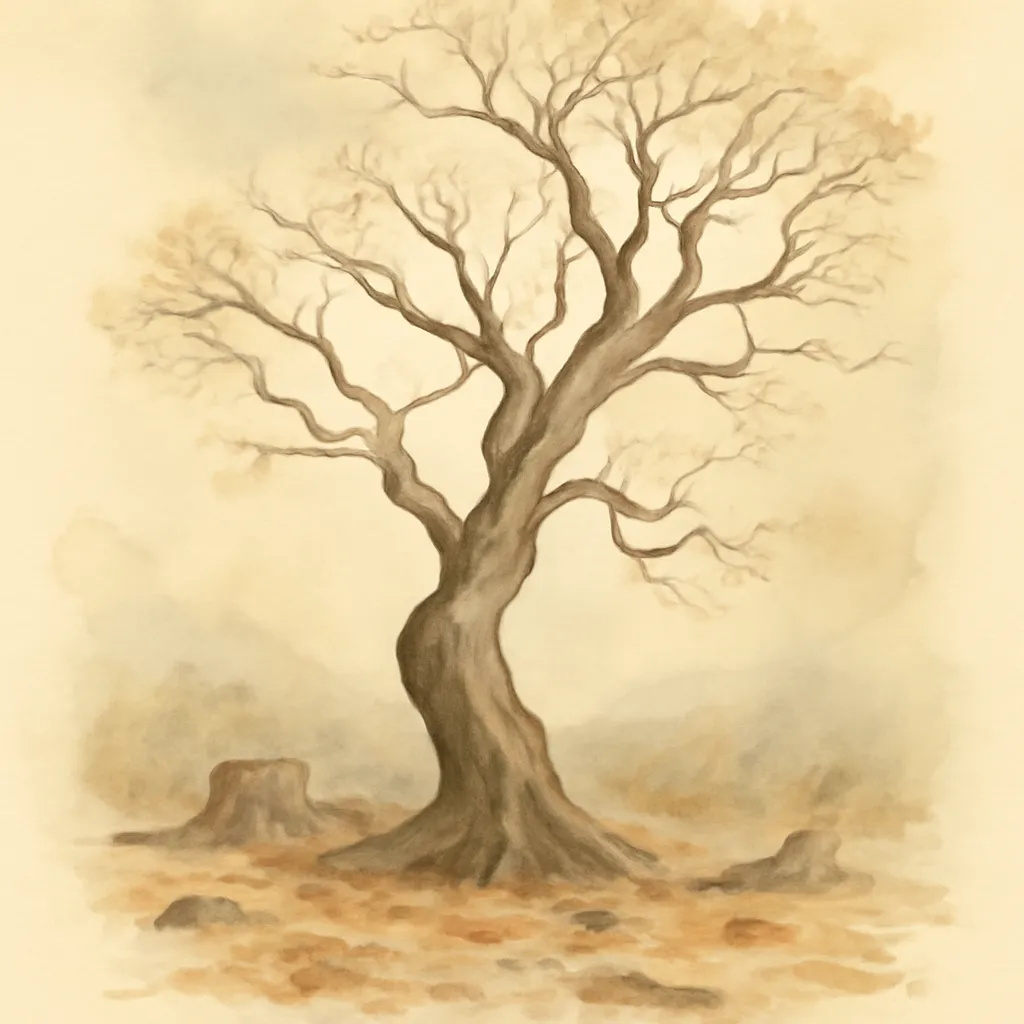
Butler traces the lineage of evolutionary ideas from early thinkers such as Buffon and Erasmus Darwin to Lamarck and ultimately to Darwin himself. He highlights how these earlier theorists laid the groundwork for evolutionary biology but were often overshadowed by Darwin's popularity. For example, Buffon’s insights into the mutability of species and the gradual progression of life forms demonstrate a clear understanding of evolution long before Darwin published his findings. Butler meticulously examines Buffon’s writings, showing how his observations on the variability of species were rooted in careful empirical study, contrasting them with the more dogmatic interpretations that followed. This historical analysis reveals that the seeds of evolutionary thought were sown by multiple minds across centuries, each contributing to a rich discourse that informed contemporary understandings. By revisiting these thinkers, Butler emphasizes the importance of their contributions and the continuity of evolutionary thought, advocating for a broader recognition of their ideas in contemporary discussions.
4.Rudimentary Organs and Teleological Argument
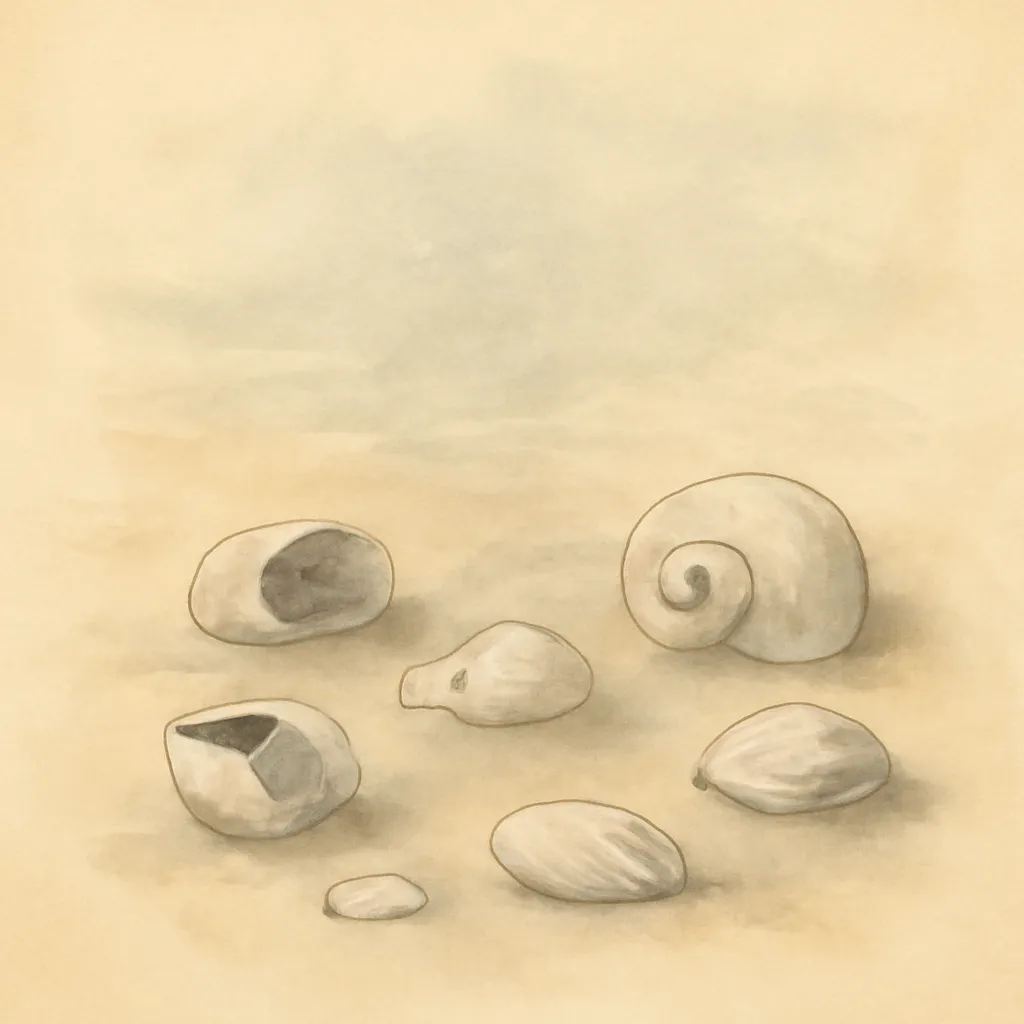
One of the critical challenges to Darwinism that Butler addresses is the existence of rudimentary organs—structures that seem to have lost their original function. He argues that rather than being a sign of evolution's randomness, these organs can be interpreted as evidence of a purposeful design that has adapted over time. For instance, the human appendix, once thought to be a vestigial remnant, might serve a purpose that is not yet fully understood, perhaps aiding in gut flora management or immune function. This idea dovetails with Butler’s broader thesis that the apparent imperfections in nature could still point towards an intelligent design, thus challenging the notion that evolution is a purely haphazard process. Butler’s exploration of these rudimentary organs calls into question the prevailing interpretation of such features as mere evolutionary leftovers and suggests a need for a deeper investigation into their potential roles in the biological systems they inhabit. By framing this discussion within teleological arguments, he invites readers to reconsider their assumptions about how we interpret biological features in the context of evolutionary history.
5.The Philosophy of the Unconscious
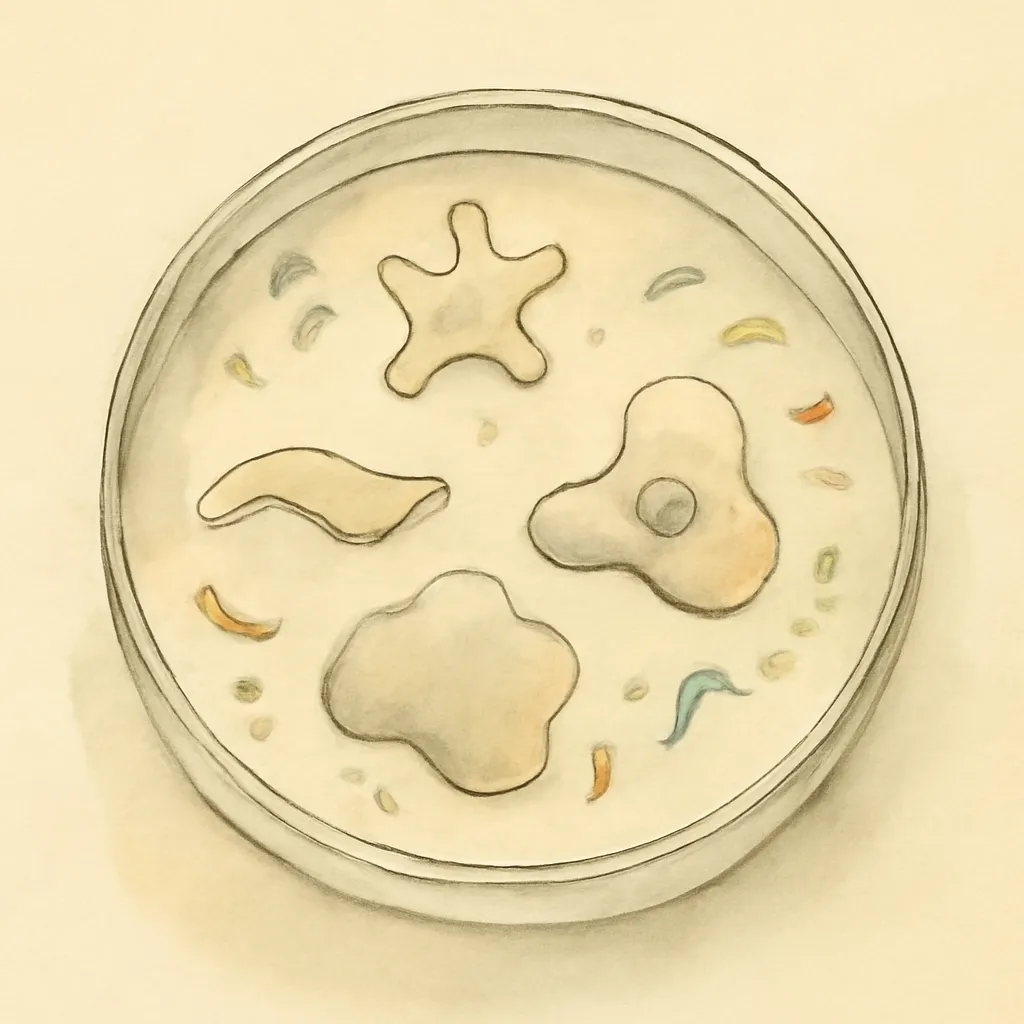
Butler introduces the idea that evolution is not a conscious process directed by individual organisms but is influenced by an unconscious drive toward adaptation and improvement. He uses the example of the amoeba, which adapts its shape and function based on immediate needs, to illustrate that evolution is a response to environmental pressures rather than a deliberate effort to design new organs. This notion of an unconscious philosophy positions evolution as a dynamic interplay between organisms and their environments, where both needs and capabilities evolve together over time. Butler emphasizes that this process often occurs without conscious thought or intention, reinforcing the idea that evolution is a complex, multifaceted phenomenon. By parsing the unconscious motivations behind evolutionary changes, he opens up a dialogue about the deeper psychological and biological mechanisms at play, suggesting that the evolutionary journey is as much about survival as it is about the inherent drive towards complexity and adaptation. This perspective enriches the understanding of how organisms interact with their environments and adapt over generations.
6.Misinterpretations of Buffon and Early Evolutionists

Butler critiques the misinterpretation of Buffon and other early evolutionists by later scientists who dismissed their contributions as simplistic or erroneous. He argues that these early thinkers provided valuable insights into the nature of species change and adaptation that are often overlooked. Buffon’s insistence on the gradual development of species and the connection between different forms of life hints at a more profound understanding of evolution that transcends mere physical changes. He highlights how Buffon’s approach combined careful observation with a philosophical framework that acknowledged the possibility of change over time. Butler showcases specific instances where Buffon’s writings foreshadow contemporary understandings of evolution, underscoring the necessity to revisit and honor these foundational ideas. By highlighting these misinterpretations, Butler calls for a reevaluation of historical perspectives that can enrich modern evolutionary theory. He emphasizes that understanding these early contributions is essential to formulating a comprehensive view of evolution that honors the past and informs the present.
7.The Role of Environment in Evolutionary Change
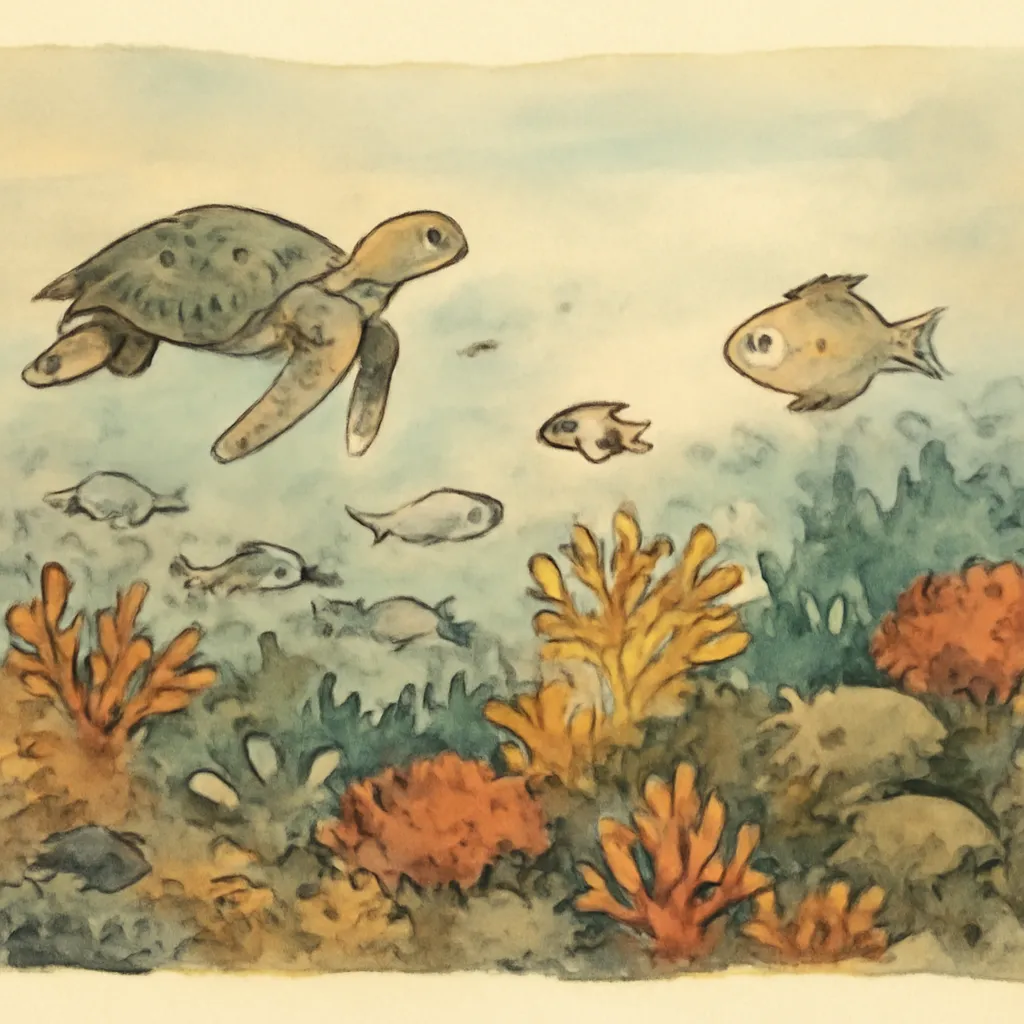
A significant aspect of Butler's argument is the emphasis on the environment's role in shaping evolutionary outcomes. He discusses how environmental factors can influence the development of species and their adaptations. This perspective aligns with Lamarck's ideas about the direct impact of environmental conditions on organisms, suggesting that variations arise not just from internal mechanisms but also from external influences. Butler illustrates this concept by examining specific examples, such as how climate change or geographical isolation can lead to distinct evolutionary paths for species. He explores how environments impose challenges that necessitate adaptations, leading to diverse evolutionary trajectories. By incorporating environmental factors into the evolutionary narrative, Butler enhances the understanding of how species interact with their surroundings and how these interactions drive evolutionary change. This perspective broadens the discussion about evolution by recognizing that organisms are not passive recipients of change but active participants in their evolutionary destinies, shaped by their environments.
8.Erasmus Darwin's Contributions
Butler devotes considerable attention to Dr. Erasmus Darwin, emphasizing his often-overlooked role in the evolution debate. Erasmus Darwin’s poetic and philosophical writings contained ideas about the transmutation of species and the interconnectedness of life that predate and anticipate many concepts later popularized by his grandson, Charles Darwin. His works, such as the 'Botanic Garden,' explore themes of evolution and natural history in a manner that reflects the complexity of life from a holistic perspective. Butler analyzes specific passages from Erasmus’s writings that convey his understanding of natural selection, variation, and the gradual evolution of life forms. By examining Erasmus's contributions, Butler illustrates how early evolutionary thought was rich and diverse, filled with insights that resonate with contemporary discussions on evolution. This recognition invites a more inclusive view of evolutionary history, one that acknowledges the contributions of multiple thinkers. In doing so, Butler advocates for an appreciation of Erasmus Darwin’s foresight and depth of understanding in the context of evolving species.
9.Lamarck's Legacy and Misunderstanding
Butler explores the legacy of Jean-Baptiste Lamarck, who has often been dismissed as a proponent of 'inheritance of acquired characteristics.' He argues that Lamarck's ideas are more nuanced and relevant than they are often portrayed. Lamarck emphasized the gradual adaptation of organisms to their environments, a concept that aligns with Butler's teleological perspective. He delves into Lamarck's writings, showcasing how his views on the relationship between organisms and their habitats underscore the significance of environmental influences in driving evolutionary change. By reevaluating Lamarck's contributions, Butler advocates for a more balanced view of evolutionary theory that recognizes the value of both Lamarckian and Darwinian ideas in understanding the complexities of evolution. He suggests that Lamarck's emphasis on the role of the environment and the adaptability of organisms invites a broader interpretation of evolutionary processes that extends beyond genetic inheritance. This perspective serves to bridge the divide between old and new evolutionary theories while paying homage to the thinkers who laid the groundwork for contemporary discourse.
10.The Interplay of Evolution and Religion

Butler also delves into the relationship between evolutionary theory and religious thought, suggesting that a teleological view of evolution can coexist with spiritual beliefs. He posits that the acknowledgment of purpose in natural processes does not necessarily contradict religious views but can rather complement them. This perspective invites dialogue between science and faith, suggesting that both realms can inform and enrich one another. Butler's exploration of this interplay encourages readers to reconsider their assumptions about the compatibility of science and religion, advocating for a coalescence of insights that honor both empirical inquiry and spiritual understanding. By framing evolution within a teleological context, he seeks to foster a more harmonious relationship between these often divided domains. This reconciliation becomes particularly important in a world where science and religion frequently find themselves at odds, and it emphasizes the potential for a unified understanding of existence that respects both scientific exploration and spiritual significance.