1.Execution as a Core Discipline
Bossidy and Charan challenge the notion that execution is simply about tactics or operational detail. Instead, they define it as a core discipline of leadership, on par with strategy and innovation. Execution means creating a culture where promises are kept, plans are followed through, and leaders are deeply engaged in making sure things get done. Without this discipline, even the best strategies are doomed to fail.
2.The Three Core Processes
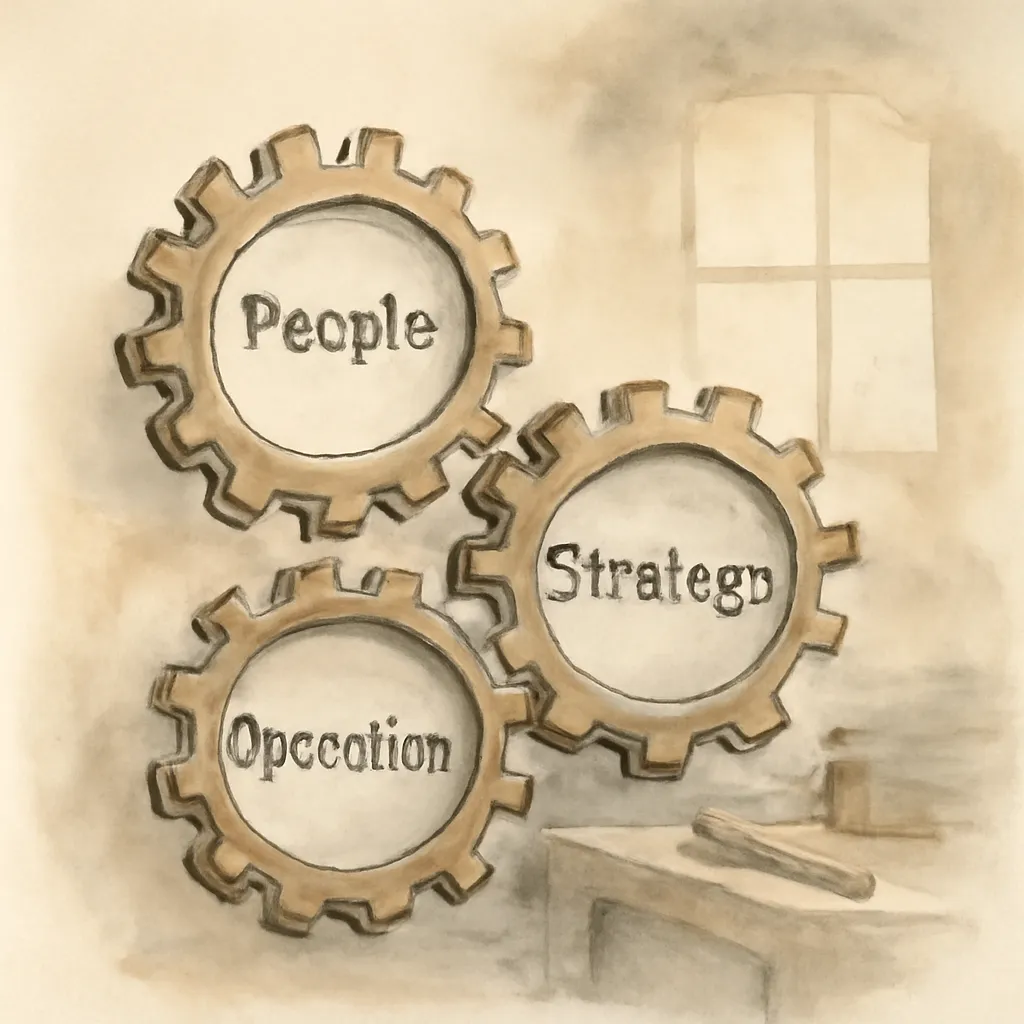
The authors break down execution into three interlinked processes: people, strategy, and operations. They argue that leaders must be intimately involved in each—choosing the right people for the right roles, crafting strategies that are grounded in reality, and ensuring operational plans are actionable. The real work of leadership is integrating these processes and making sure they reinforce each other.
3.The Leader’s Personal Involvement
A central tenet of the book is that execution cannot be delegated. Leaders must be hands-on, not just in setting direction but in following up, asking tough questions, and holding people accountable. Bossidy draws from his own experience to show that when leaders are visible and engaged in the details, it signals that execution matters and sets the tone for the entire organization.
4.Linking People to Results
Bossidy and Charan stress that the people process is the most important. Having the right talent in the right jobs is essential, but so is candid dialogue about performance. The book advocates for a culture where honest feedback, clear expectations, and rigorous follow-up are the norm. This ensures that everyone understands what is expected and how their work connects to broader goals.
5.Confronting Reality and Making Tough Choices
Execution requires confronting the brutal facts of the business environment, even when they are uncomfortable. The authors argue that leaders must foster a culture of transparency and realism, where assumptions are challenged and tough decisions are made quickly. This honesty prevents wishful thinking and keeps organizations agile and focused.
6.Building a Culture of Accountability
Accountability is at the heart of execution. The book emphasizes that organizations must build systems and habits where commitments are tracked, progress is reviewed regularly, and people are held responsible for results. This culture of accountability creates momentum and ensures that execution is not a one-time event but an ongoing discipline.