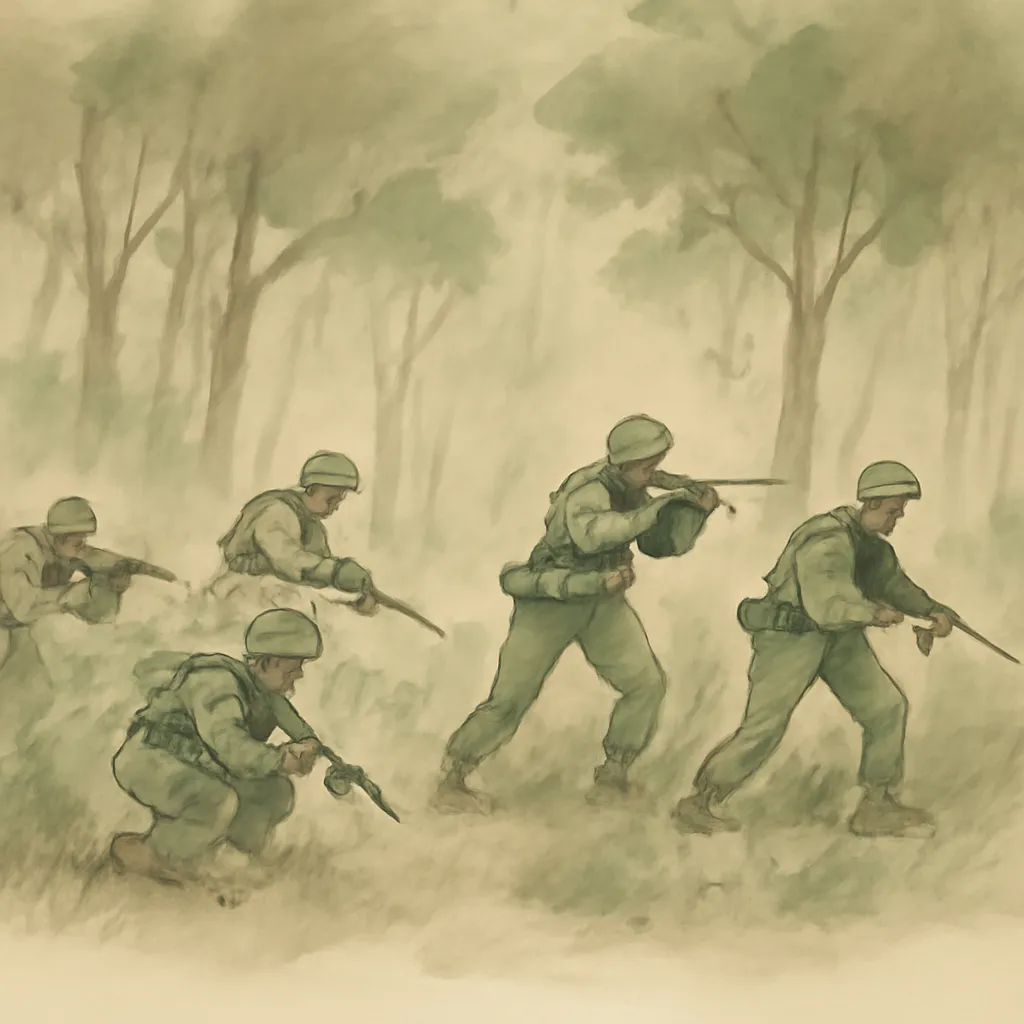
1.Extreme Ownership
At the heart of the book is the concept that leaders must take full responsibility for everything in their world. Blaming others, circumstances, or subordinates is not acceptable. If a team fails, the leader must look inward and find what they could have done differently. This radical accountability builds trust, drives improvement, and sets the tone for the entire organization. It’s a mindset shift: true leaders own both the successes and failures of their teams.
2.No Bad Teams, Only Bad Leaders
Willink and Babin argue that the quality of a team is a direct reflection of its leadership. When teams underperform, effective leaders do not point fingers but instead assess how their own actions, guidance, and example have shaped the outcome. This idea empowers leaders to transform struggling teams by changing their own behaviors and expectations, rather than waiting for others to improve.
3.Decentralized Command
The authors emphasize that leaders cannot and should not try to control every detail. Instead, they must empower junior leaders and team members to make decisions, fostering initiative and adaptability. This requires clear communication of the mission and intent, so everyone understands not just what to do, but why it matters. Decentralized command enables organizations to be agile and responsive, especially in fast-changing environments.
4.Prioritize and Execute
In chaotic situations, leaders must avoid being overwhelmed by competing demands. Willink and Babin advocate for a disciplined approach: assess the most critical problem, address it decisively, then move to the next. This methodical prioritization allows teams to stay focused and effective under pressure, rather than being paralyzed by complexity or urgency.
5.The Dichotomy of Leadership
Effective leadership is a balancing act. Leaders must be confident but not arrogant, aggressive but not reckless, and close to their teams but not so close that objectivity is lost. The book explores these tensions, arguing that the best leaders constantly calibrate their approach to fit the situation, avoiding extremes and maintaining equilibrium.
6.Cover and Move
Borrowed from SEAL tactics, this principle translates to teamwork: different elements of a team must support each other to achieve the mission. Siloed thinking or internal competition undermines success. Leaders must break down barriers, encourage collaboration, and ensure that all parts of the organization are aligned and mutually supportive.