1.Rewilding as Restoration
Monbiot champions 'rewilding'—the process of allowing ecosystems to regenerate with minimal human interference—as a radical alternative to traditional conservation. Rather than managing nature into static reserves, he argues for the return of missing species and ecological processes, which can lead to richer, more dynamic landscapes. This approach moves beyond simply preserving what remains, aiming instead to revive lost abundance and complexity.
2.Ecological Boredom and Human Well-being
A central theme is the concept of 'ecological boredom'—the sense of loss and alienation people feel when surrounded by tamed, monotonous environments. Monbiot suggests that rewilding is not just about saving nature, but about rekindling the human spirit. Encounters with wildness, he argues, can restore a sense of wonder, adventure, and meaning that modern life often lacks.
3.Challenging Conservation Orthodoxy
Monbiot critiques mainstream conservation for its focus on maintaining degraded landscapes and resisting change. He contends that many conservationists have become 'prisoners of baseline,' clinging to the way nature looked in recent memory rather than embracing its capacity for transformation. Rewilding, in contrast, accepts uncertainty and welcomes the unexpected, trusting ecological processes to surprise us.
4.Trophic Cascades and Keystone Species
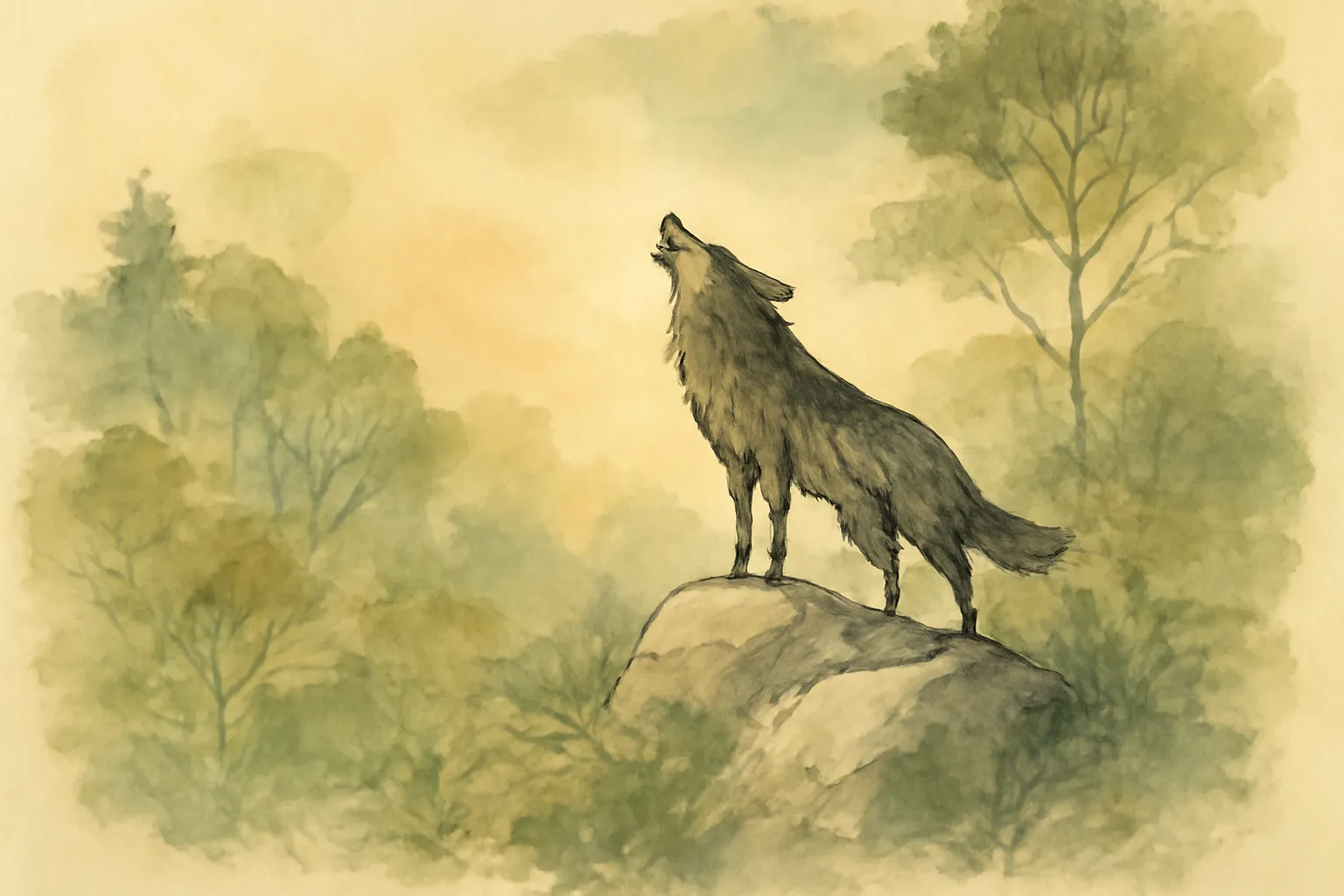
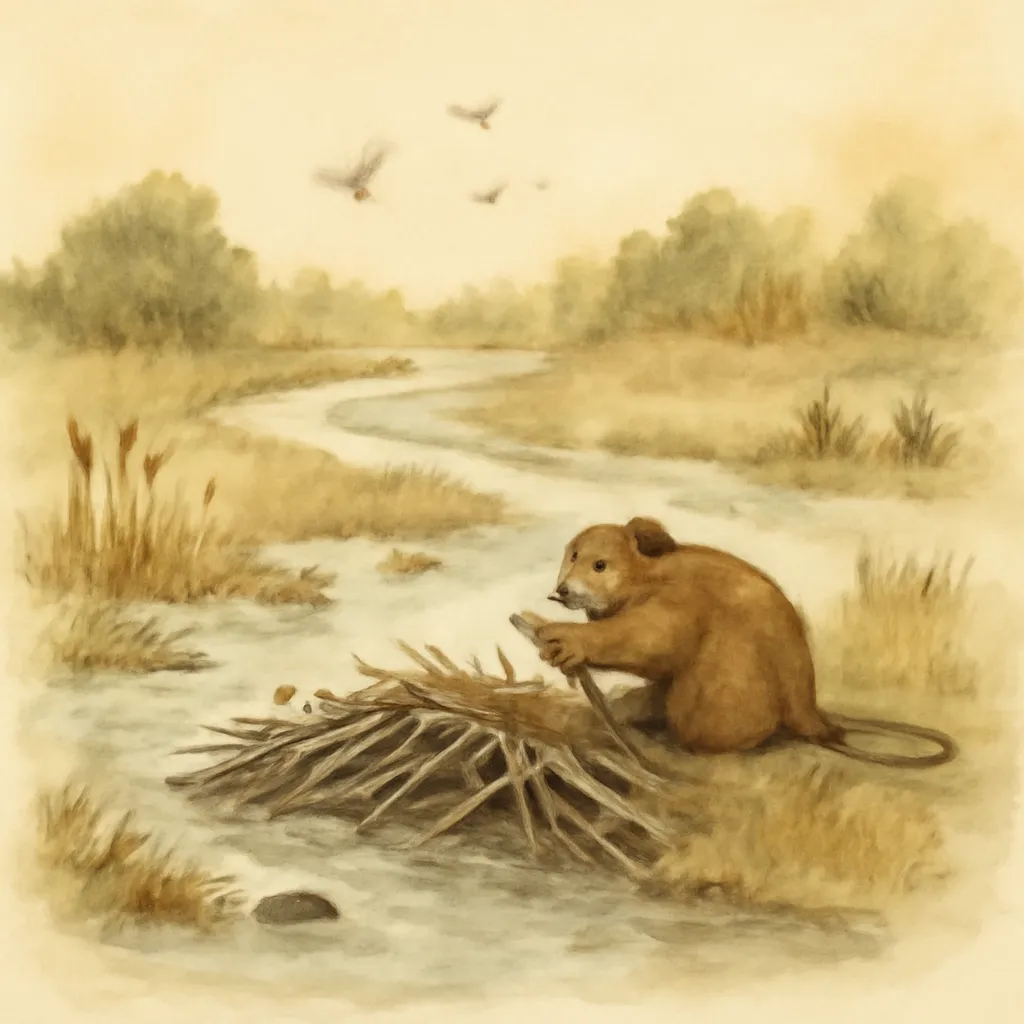
Drawing on scientific research, Monbiot highlights how the reintroduction of key species—such as wolves or beavers—can trigger 'trophic cascades,' reshaping entire ecosystems. These animals act as ecological engineers, influencing everything from river courses to forest structure. Their absence, he argues, has left many landscapes impoverished and less resilient.
5.The Political and Cultural Barriers
Rewilding is not just an ecological project but a political and cultural challenge. Monbiot explores the resistance from landowners, farmers, and policymakers who fear the loss of control or economic value. He argues that overcoming these barriers requires new stories about our relationship with the land—stories that celebrate abundance, unpredictability, and coexistence with wildness.
6.Hopeful Environmentalism
Unlike much environmental writing, Feral is ultimately optimistic. Monbiot believes that restoring wildness offers hope not only for biodiversity but for human societies. By embracing rewilding, he suggests, we can move beyond narratives of loss and limitation toward a future of renewal, creativity, and shared flourishing.