1.Obsession as Identity
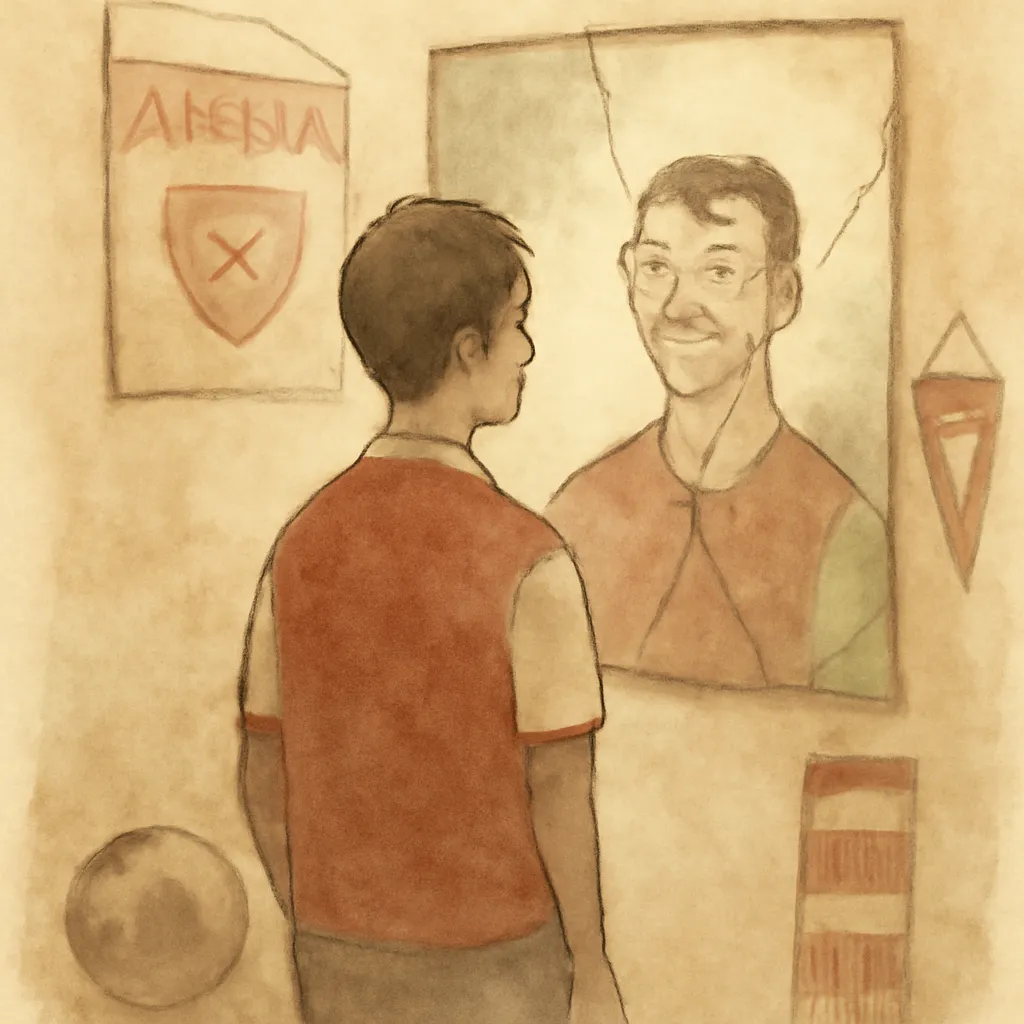
Hornby explores how football fandom becomes an essential part of his self-definition, shaping his relationships, moods, and even life decisions. Supporting Arsenal isn't just a hobby—it's a framework for understanding the world. The book examines how such obsessions can be both comforting and limiting, offering a sense of belonging while sometimes crowding out other aspects of life.
2.Football as Emotional Outlet
Fever Pitch reveals how football serves as an emotional release valve for its fans, especially men. Hornby details how the highs and lows of Arsenal's fortunes provide a safe space for expressing feelings that might otherwise be suppressed. The stadium becomes a place where joy, despair, anger, and hope are not only allowed but expected.
3.The Social Fabric of Fandom
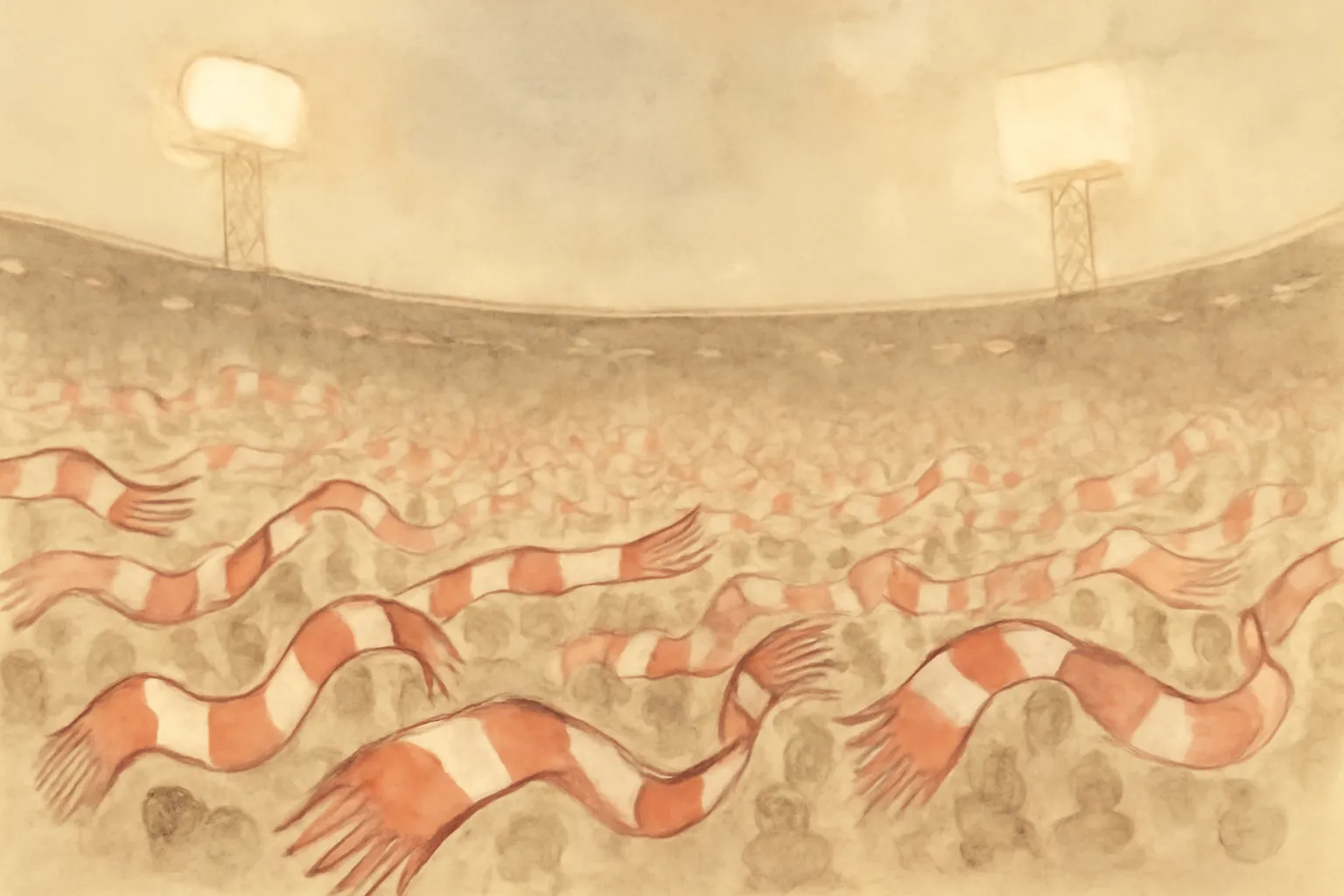
Hornby illustrates how being a fan weaves individuals into a larger community, crossing boundaries of class and background. Football matches are social rituals, and shared suffering or triumph binds people together. The book highlights the way fandom can create lifelong friendships and a sense of collective purpose, even among strangers.
4.Coming of Age Through Sport
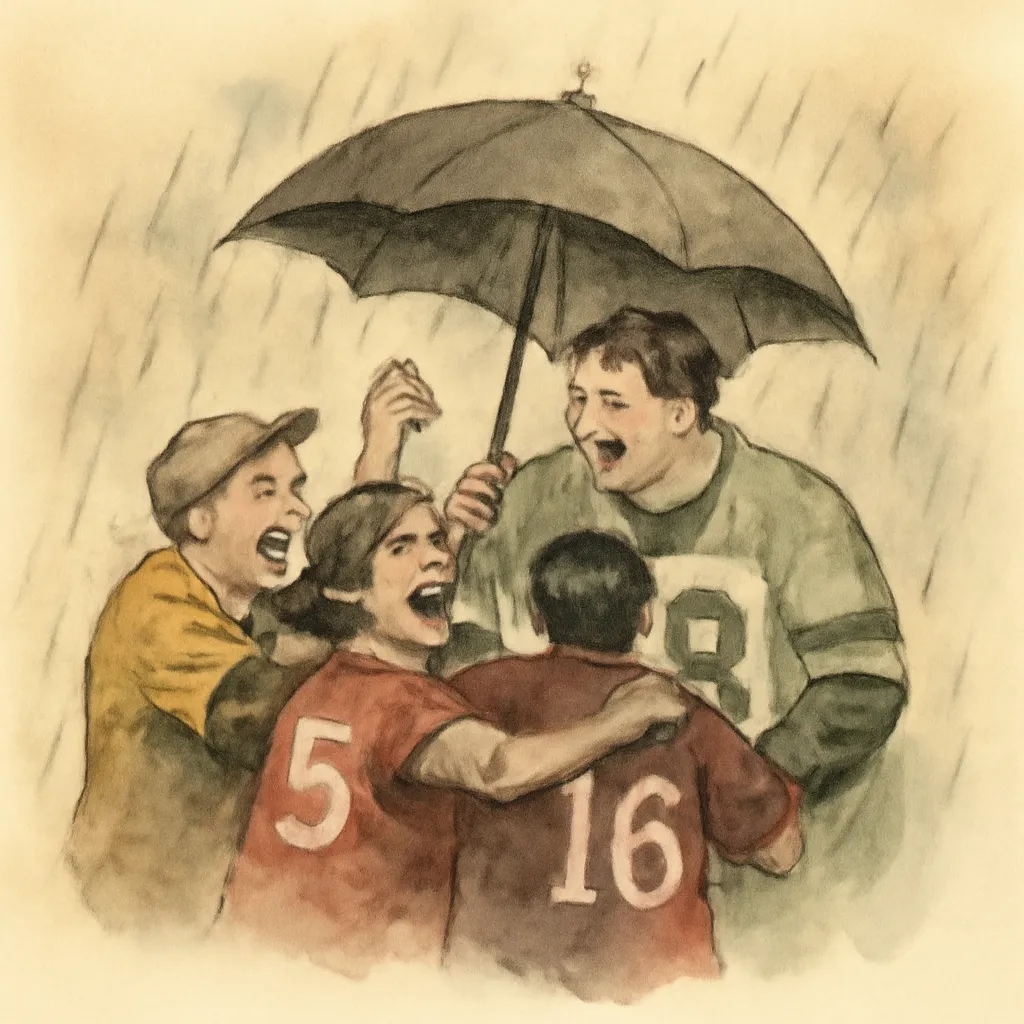
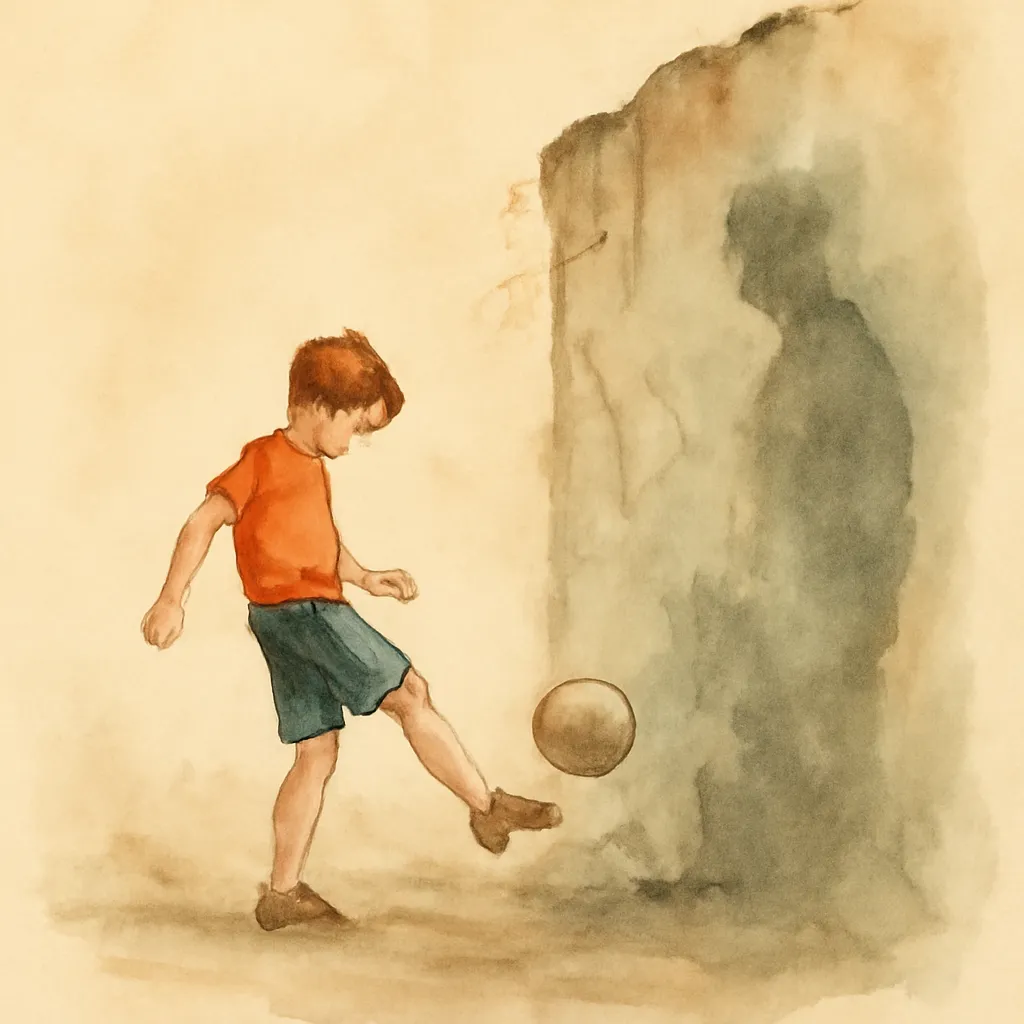
The memoir doubles as a coming-of-age story, tracing Hornby's journey from childhood to adulthood alongside Arsenal's fortunes. Football becomes a backdrop for navigating adolescence, family upheaval, romantic relationships, and personal growth. The narrative suggests that sports can serve as a mirror for life's challenges and milestones.
5.The Darker Side of Devotion
Hornby doesn't shy away from the downsides of fanaticism: missed opportunities, emotional volatility, and the risk of letting a game dictate one's happiness. He examines how obsession can become isolating or destructive, raising questions about balance and the costs of single-minded dedication.
6.Football and British Culture
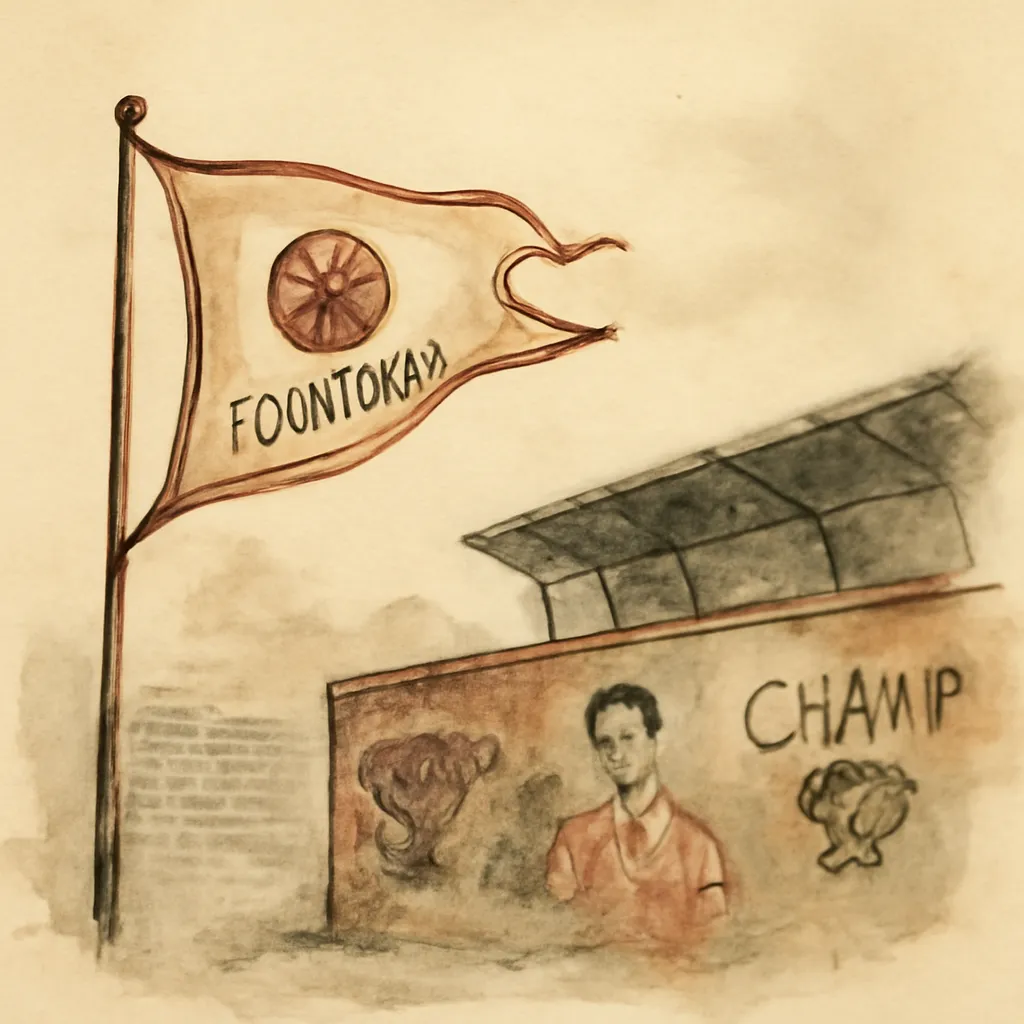
Fever Pitch is also a social document, capturing the changing landscape of British football in the 1970s and 80s. Hornby discusses issues like hooliganism, class divisions, and the commercialization of the game, using his personal story to comment on broader cultural shifts.