1.Power and Consent in Relationships
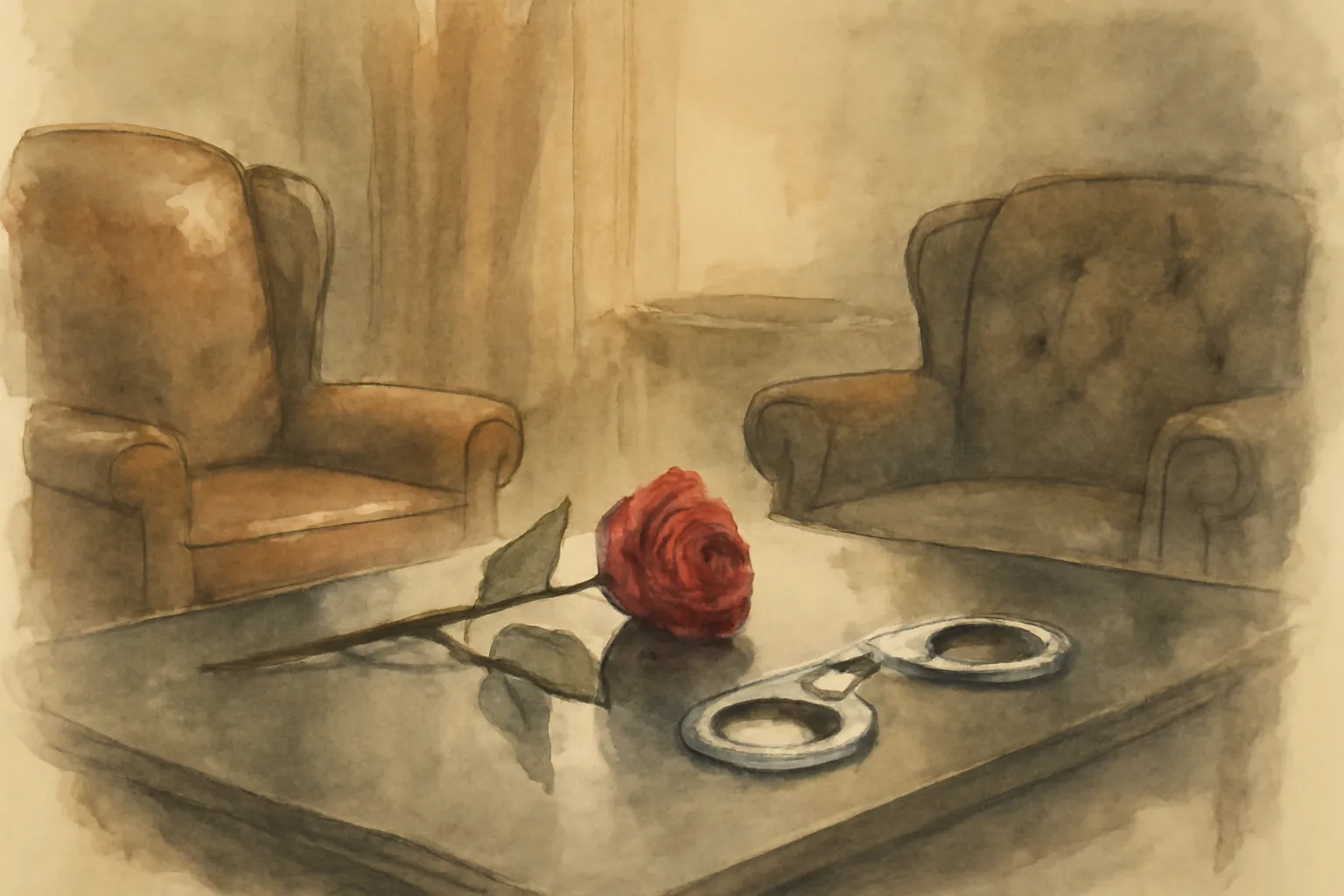
At its core, Fifty Shades of Grey examines the interplay of power between two people—Anastasia Steele and Christian Grey. Their relationship is marked by explicit negotiations of boundaries and consent, raising questions about autonomy, trust, and the ways individuals navigate dominance and submission. The novel brings to light how power can be both seductive and problematic, sparking debate about what constitutes healthy versus unhealthy dynamics.
2.Sexual Exploration and Taboo
The book is widely known for its frank depiction of BDSM practices, which were rarely discussed in mainstream fiction prior to its publication. Through Ana’s journey, readers witness the tension between curiosity and fear, as she confronts her own desires and the limits of her comfort. This exploration challenges societal norms and encourages readers to reflect on their own attitudes toward sexuality and taboo.
3.Emotional Vulnerability and Healing
Beneath the erotic surface lies a story about emotional wounds and the possibility of healing through intimacy. Christian Grey is a character shaped by a traumatic past, and his need for control is both a shield and a source of pain. Ana’s empathy and patience become catalysts for his gradual transformation, suggesting that love can be a force for personal growth and recovery.
4.Female Agency and Self-Discovery
Ana’s evolution from a naïve college student to a woman who asserts her needs and desires is central to the narrative. The story traces her growing self-confidence as she navigates a relationship that constantly tests her limits. While the book has been criticized for its portrayal of gender roles, it also presents a protagonist who learns to advocate for her own boundaries and choices.
5.Fantasy Versus Reality
Fifty Shades blurs the lines between fantasy and reality, presenting an idealized world of luxury, passion, and heightened drama. The escapist elements—opulent settings, lavish gifts, and intense romance—contrast with the real emotional struggles faced by the characters. This duality invites readers to question what they seek in romantic fiction and how fantasy shapes their perceptions of love.
6.Cultural Impact and Controversy
The novel’s massive popularity sparked widespread debate about sexuality, feminism, and representation in literature. It opened up conversations about previously marginalized sexual practices, but also drew criticism for its writing style and depiction of consent. Its influence on popular culture is undeniable, inspiring adaptations and a wave of similar works, making it a touchstone in discussions about modern romance novels.