1.The Elusiveness of Truth
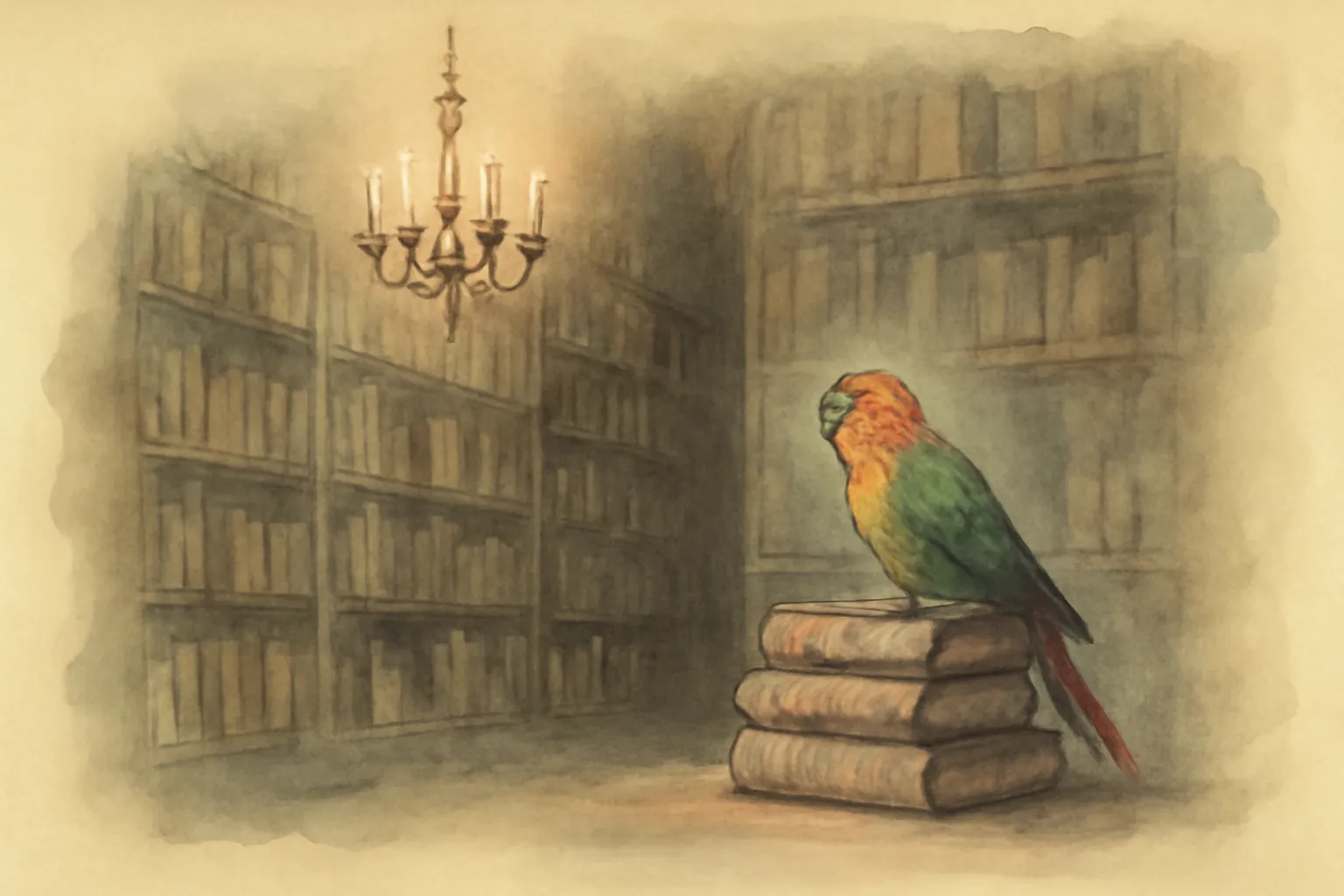
Barnes uses the narrator's quest to identify the 'real' stuffed parrot from Flaubert's study as a metaphor for the impossibility of ever fully knowing the truth about another person—especially a historical figure. The novel highlights how facts can be contradictory, incomplete, or colored by the biases of those who record them. This uncertainty challenges the very premise of biography and raises questions about whether objective truth is ever attainable, or if all understanding is inevitably shaped by interpretation.
2.Obsession and the Search for Meaning
The protagonist, Geoffrey Braithwaite, is driven by a personal obsession with Flaubert, which both enriches and complicates his life. Barnes examines how such fixations can become a way of coping with personal grief and loss, but also how they can distort reality. The novel suggests that our obsessions—whether with people, objects, or ideas—reveal as much about ourselves as about their ostensible subjects.
3.Fact Versus Fiction
Flaubert's Parrot blurs the boundaries between biography, criticism, and fiction, using a collage of narrative forms: lists, imagined interviews, timelines, and essays. This playful structure questions the authority of traditional storytelling and biography, suggesting that fiction and fact are often intertwined. Barnes invites readers to consider how stories are constructed, and whether the distinction between fact and fiction is as clear-cut as we might wish.
4.The Nature of Art and the Artist
Through reflections on Flaubert's life and work, Barnes explores the relationship between an artist and their creations. The book raises questions about whether we can ever separate the art from the artist, and whether understanding an artist's biography truly enhances our appreciation of their work. It also meditates on Flaubert's own views about writing, especially his relentless pursuit of 'le mot juste'—the exact right word.
5.Irony and Playfulness
The novel is laced with irony, humor, and self-awareness, often poking fun at the seriousness of literary scholarship and the quirks of fandom. Barnes uses wit not just for entertainment, but to undermine solemnity and to encourage readers to approach literature—and life—with a sense of play. This tone makes the book accessible even as it tackles complex philosophical questions.
6.Grief and Personal Loss
Beneath the intellectual games, Flaubert's Parrot is also a meditation on grief. Braithwaite's scholarly pursuits are intertwined with his mourning for his late wife, making his investigation as much about coming to terms with personal pain as about literary curiosity. The novel subtly explores how we use research, obsession, and narrative to process loss.