1.The Power of Friendship

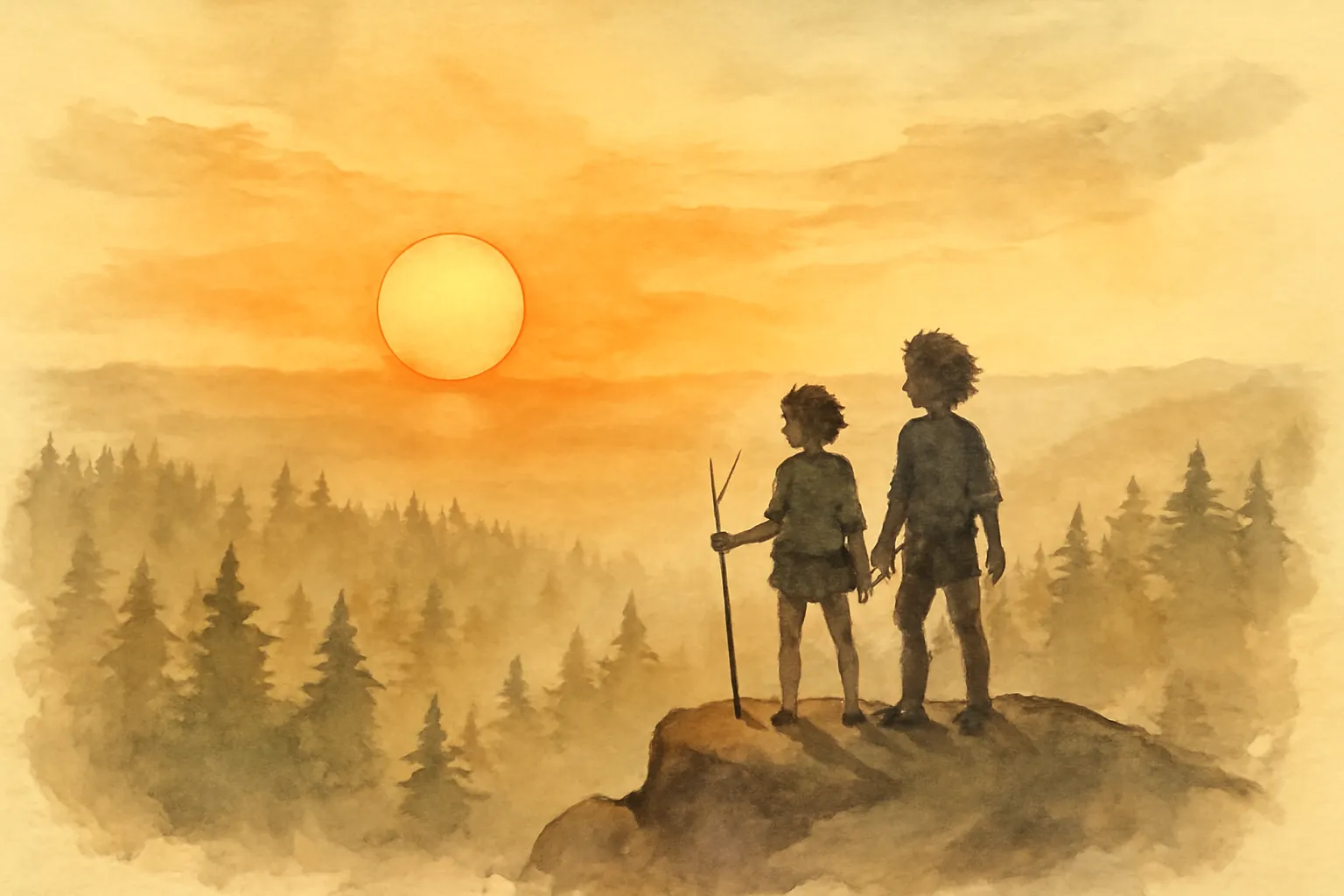
At the heart of Footprints in the Forest is the profound bond of friendship that drives the characters through their trials. Jack Carleton's determination to rescue Otto Relstaub is fueled not only by loyalty but also by the support of his friends, Deerfoot and his mother. The narrative emphasizes that true friendship is characterized by unwavering support and selflessness. Jack's mother’s willingness to let her son venture into the wilderness, knowing the dangers he might face, illustrates the depths of parental love and trust in one's friends. Additionally, Deerfoot’s unwavering commitment to Jack highlights the strength of cross-cultural friendships in overcoming adversity. Their camaraderie serves as a beacon of hope, reminding readers of the importance of human connection in challenging times. As they face threats from Native American tribes and the wild landscape, their friendship becomes a source of strength, revealing that together they can overcome obstacles that would be insurmountable alone.
2.Courage in the Face of Danger
Courage is a central theme in Ellis's narrative, embodied in the characters' willingness to confront the unknown. Jack and Deerfoot's expedition into the wilderness is fraught with peril, from the threat of hostile tribes to the unpredictability of nature itself. Jack's bravery is evident when he decides to pursue Otto despite the odds stacked against him, showcasing the youthful impetuosity that often accompanies the desire to protect loved ones. Deerfoot, as a Shawanoe warrior, exemplifies a different kind of courage—one rooted in skill and experience. His profound woodcraft abilities and calm demeanor under pressure serve as a contrast to Jack's youthful enthusiasm. Together, they illustrate that courage can manifest in various forms, whether through reckless determination or calculated bravery. This duality is crucial in their journey, as it shows that facing fear can lead to personal growth and the development of a deeper understanding of oneself.
3.The Wilderness as a Character

Ellis masterfully portrays the American wilderness not just as a backdrop but as a living character that influences the journey of the protagonists. The detailed descriptions of the forest, rivers, and wildlife evoke a vivid sense of place, immersing readers in the natural world that shapes the characters' experiences. The wilderness is both a source of beauty and a realm of danger, presenting challenges that test the resolve of Jack and Deerfoot. As they navigate through streams, climb elevations, and face the elements, the environment reflects their internal struggles and triumphs. The author captures the duality of nature—its ability to inspire awe while simultaneously posing threats. For instance, the crisp, cool air and the vibrant landscapes stand in stark contrast to the lurking dangers of wild animals and hostile tribes. This relationship between the characters and their surroundings underscores the theme of survival, illustrating how the wilderness can both nurture and challenge the human spirit.
4.Cultural Encounters and Misunderstandings
The interactions between Jack, Deerfoot, and the various Indian tribes they encounter highlight the complexities of cultural exchanges in the 19th-century American frontier. The narratives of misunderstanding and communication barriers speak to the broader context of Native American and settler relations. For instance, when Deerfoot encounters the Pawnee warriors, their inability to communicate verbally underlines the challenges faced by different cultures. Despite this, they engage in a form of sign language, demonstrating that understanding can transcend language barriers. Ellis navigates these encounters with sensitivity, portraying the Pawnees not merely as adversaries but as individuals with their own stories and experiences. The initial tensions that arise from these cultural misunderstandings ultimately pave the way for deeper insights and connections, allowing characters to grow beyond their preconceived notions of each other. This nuanced portrayal encourages readers to reflect on the importance of empathy and open-mindedness in cross-cultural interactions.
5.The Role of Femininity and Maternal Influence

Ellis introduces a compelling maternal figure in Jack's mother, whose influence is pivotal to the narrative. Her compassion and willingness to support her son’s quest to rescue Otto reveal the strength inherent in femininity. While the male characters embody physical courage and adventurous spirit, Jack’s mother represents emotional resilience and moral fortitude. Her decision to allow Jack to venture into the wilderness illustrates the complex dynamics of parental love, trust, and the recognition of a child's autonomy. This portrayal of motherhood enriches the narrative, adding depth to the exploration of gender roles within the context of adventure. Jack's mother serves as a moral compass who motivates her son to act selflessly, reminding him of the importance of loyalty and compassion. The interplay between maternal concern and youthful ambition highlights the balancing act of nurturing and independence, a theme that resonates throughout the story.
6.Survival Skills and Woodcraft
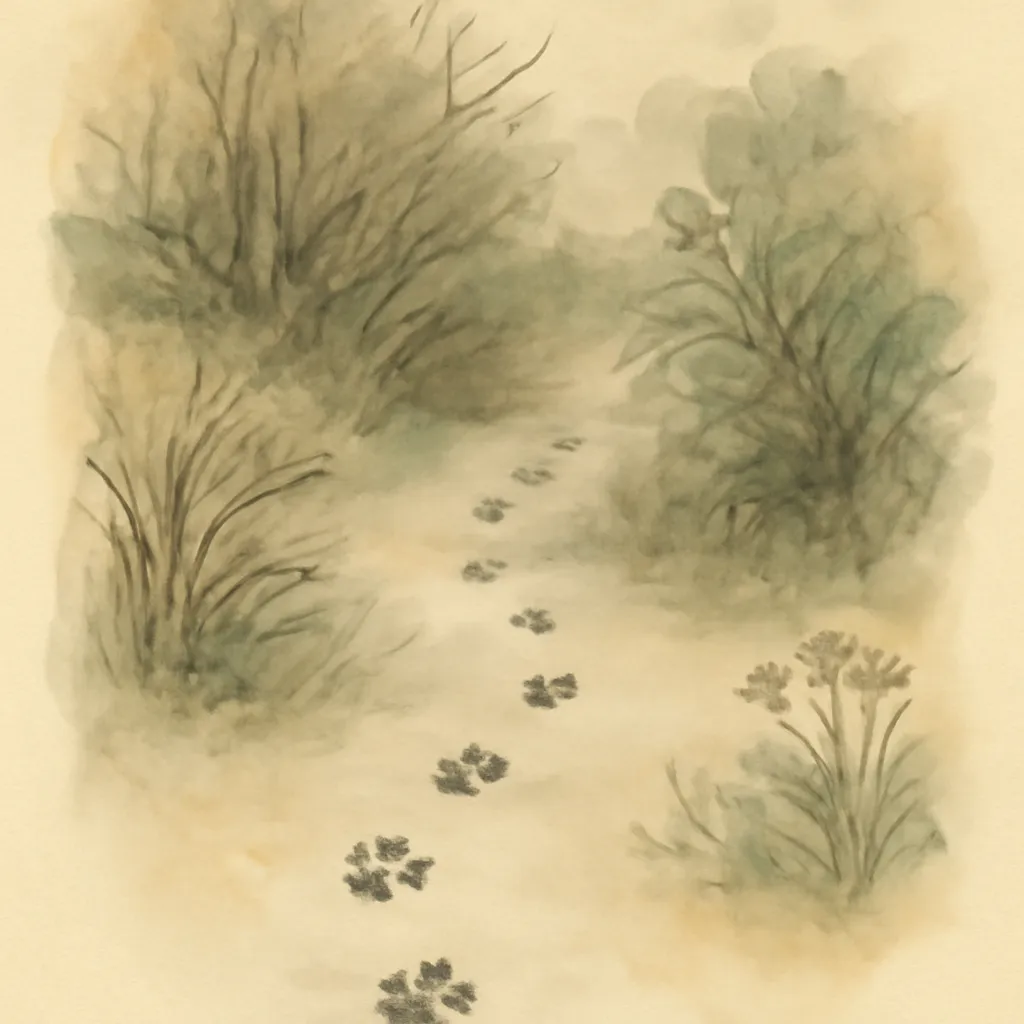
A significant aspect of Footprints in the Forest is the emphasis on survival skills and woodcraft, particularly embodied by Deerfoot. His expertise in navigating the wilderness, tracking animals, and understanding nature’s signs serves as a critical asset in their quest. Ellis provides readers with insights into the practical skills necessary for survival in the wild, from hunting techniques to reading the environment. Through Deerfoot’s demonstrations of skill—using his bow expertly, recognizing animal tracks, or identifying edible plants—readers gain a deeper appreciation for the knowledge passed down through generations. The contrast between Jack's initial naivety and Deerfoot's seasoned knowledge illustrates the learning curve that accompanies survival in the wilderness. This focus on woodcraft not only enhances the adventure but also educates readers about the importance of skill and resourcefulness in overcoming obstacles. The narrative celebrates the wisdom of indigenous knowledge, suggesting that survival in the wilderness requires a deep understanding of its rhythms and nuances.
7.The Essence of Adventure
Footprints in the Forest embodies the essence of adventure literature, characterized by exploration, danger, and personal growth. The journey of Jack and Deerfoot is not merely a physical expedition but also a transformative experience that shapes their identities. As they confront various challenges, they learn valuable lessons about friendship, courage, and resilience. The adventure serves as a rite of passage for Jack, pushing him beyond his comfort zone and forcing him to confront his fears. Ellis captures the thrill of the unknown, the unpredictability of the wilderness, and the exhilaration of discovery. The narrative illustrates how adventure can lead to self-discovery and personal development, as characters navigate external threats and internal struggles. This narrative structure reflects the timeless appeal of adventure stories, inviting readers to vicariously experience the excitement and perils of the journey alongside the characters.
8.Moral Choices and Ethical Dilemmas
Throughout the narrative, characters face moral choices and ethical dilemmas that test their values and convictions. Jack’s decision to embark on the rescue mission for Otto is fraught with risks, raising questions about duty, loyalty, and the consequences of one’s actions. Similarly, Deerfoot grapples with the complexities of his encounters with the Pawnees, navigating the fine line between conflict and diplomacy. These moral quandaries add depth to the narrative, prompting readers to reflect on the implications of their choices. For example, when faced with potential aggression from the Pawnees, Deerfoot must decide whether to fight or seek a peaceful resolution. Ellis skillfully weaves these ethical considerations into the adventure, illustrating that the journey is as much about the characters' internal struggles as it is about their external challenges. This exploration of morality enriches the story, making it resonate on a deeper level with audiences.
9.The Impact of Violence and Conflict
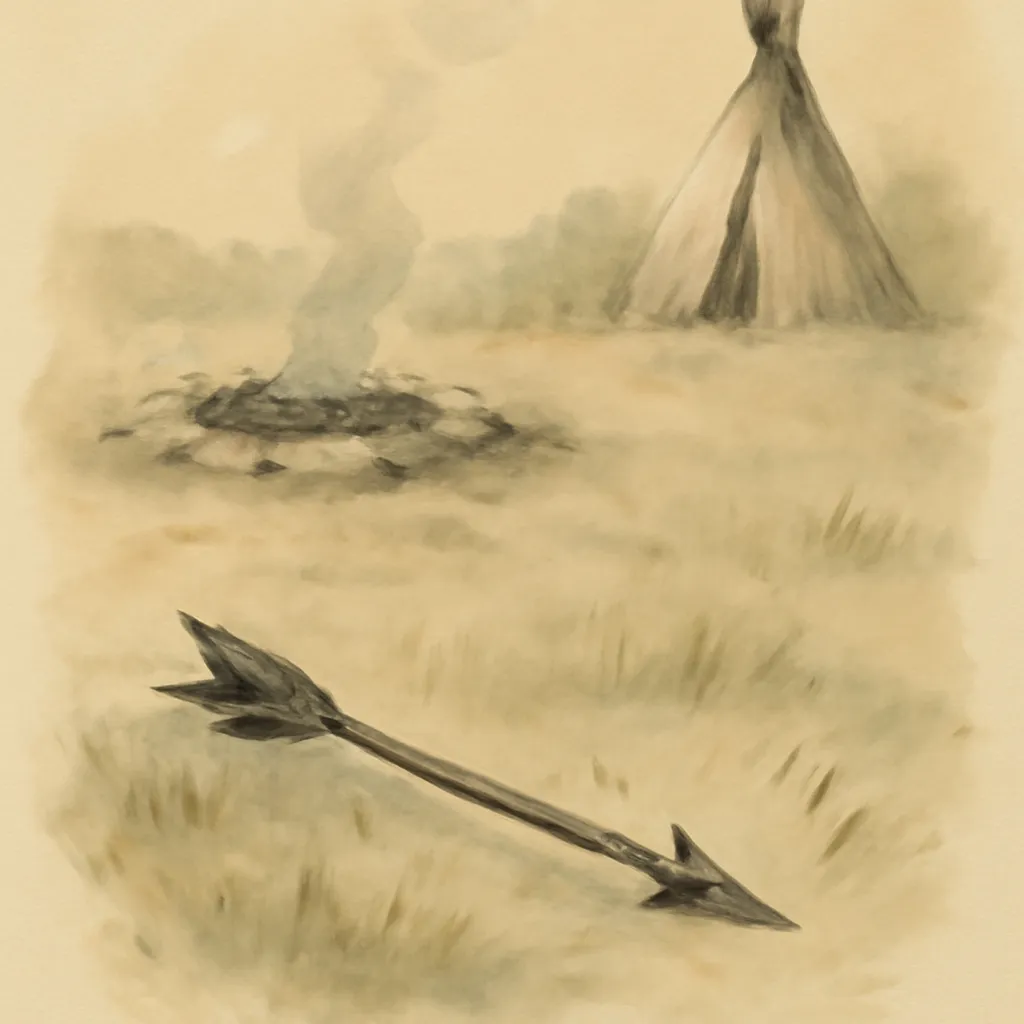
Ellis does not shy away from depicting the violence and conflict inherent in the frontier experience. The encounters between Jack, Deerfoot, and various tribes highlight the brutal realities of survival in a landscape marked by territorial disputes and cultural clashes. The tension between the characters and the Pawnees serves as a reminder of the historical context in which these narratives unfold. However, Ellis approaches these themes with a nuanced perspective, emphasizing the humanity of the individuals involved rather than reducing them to mere caricatures of conflict. The Pawnees, for instance, are portrayed with dignity, showing that they, too, have complex motives and emotions. This portrayal encourages readers to consider the broader implications of violence and its impact on relationships and communities. The narrative invites reflection on the cyclical nature of conflict and the potential for understanding and reconciliation amidst adversity.
10.Hope and Resilience
Ultimately, Footprints in the Forest is a story of hope and resilience in the face of overwhelming odds. Jack and Deerfoot's unwavering determination to find Otto, despite the dangers they encounter, embodies the human spirit's capacity to persevere. Their journey is punctuated by moments of despair and uncertainty, yet it is their hope that propels them forward. Ellis crafts a narrative that celebrates the resilience of youth and the belief that, even in the darkest moments, there is always a glimmer of hope. This theme resonates deeply, reminding readers that the pursuit of what we hold dear often requires courage and tenacity. As Jack and Deerfoot face challenges that test their limits, their story serves as a beacon of inspiration, encouraging readers to hold on to hope and push through adversity, no matter how daunting it may seem.