1.The Journey's End: A New Beginning
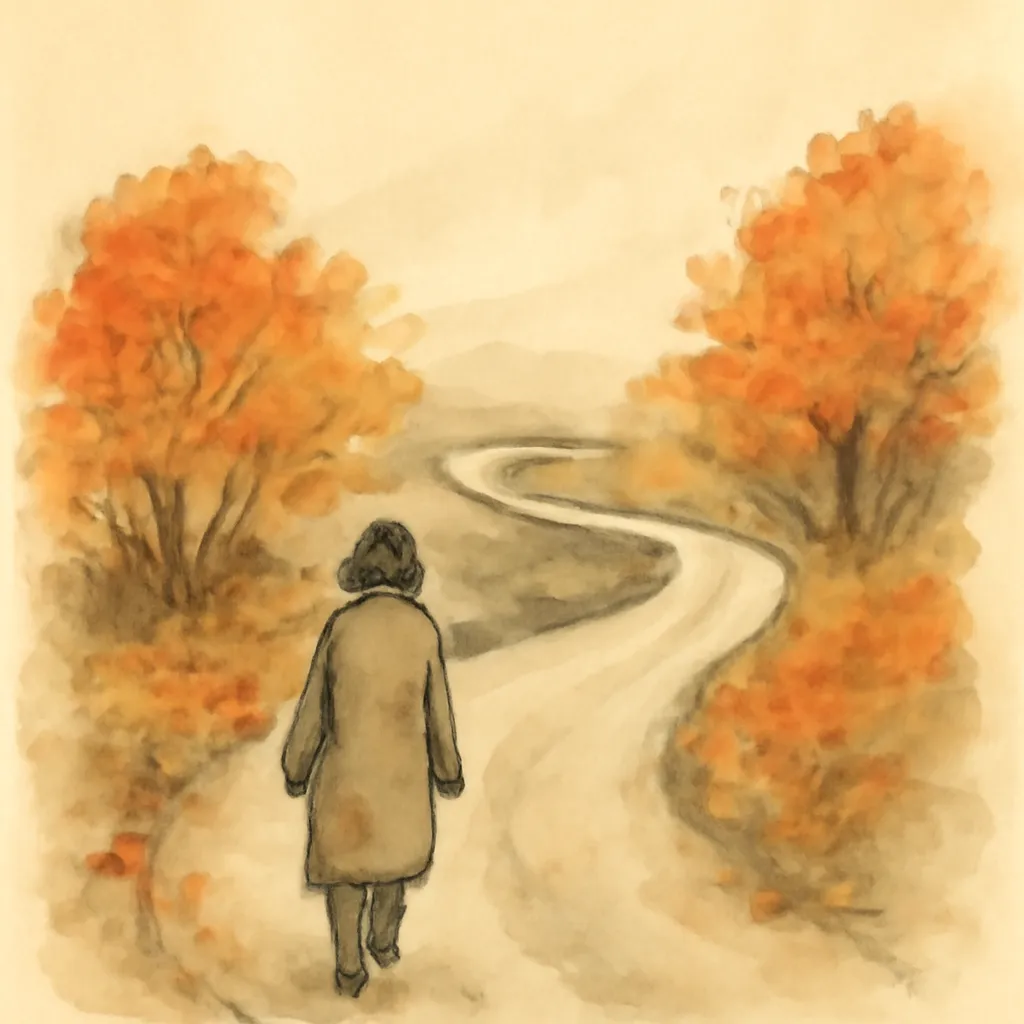
By the conclusion of 'Free Air,' Claire’s journey culminates in a newfound sense of self and purpose. The experiences she has accumulated along the way have transformed her perspective on life, love, and the complexities of human connection. As she prepares to return to Brooklyn, she carries with her the lessons learned from the road—the importance of authenticity, the value of human connection, and the beauty of the American landscape. This journey does not simply end; it marks the beginning of a new chapter in her life, one where she is empowered to navigate the world on her own terms. Claire’s evolution exemplifies the enduring power of travel and self-discovery as pathways to personal freedom.
2.The Illusion of Respectability
Claire Boltwood begins her journey as a product of her privileged upbringing, where respectability equates to social status and material wealth. Living in Brooklyn Heights, she grapples with societal expectations that dictate her choices, particularly regarding marriage and family. Her initial ambitions are shaped by the allure of solid men and a conventional future, yet she is increasingly disillusioned by the limitations of these aspirations. The tension between her upbringing and her desire for adventure is palpable as she realizes that the men she encounters often lack the depth and excitement she craves. This internal struggle sets the stage for her journey, where she seeks to break free from the constraints of respectability.
3.The Journey as a Metaphor for Self-Discovery
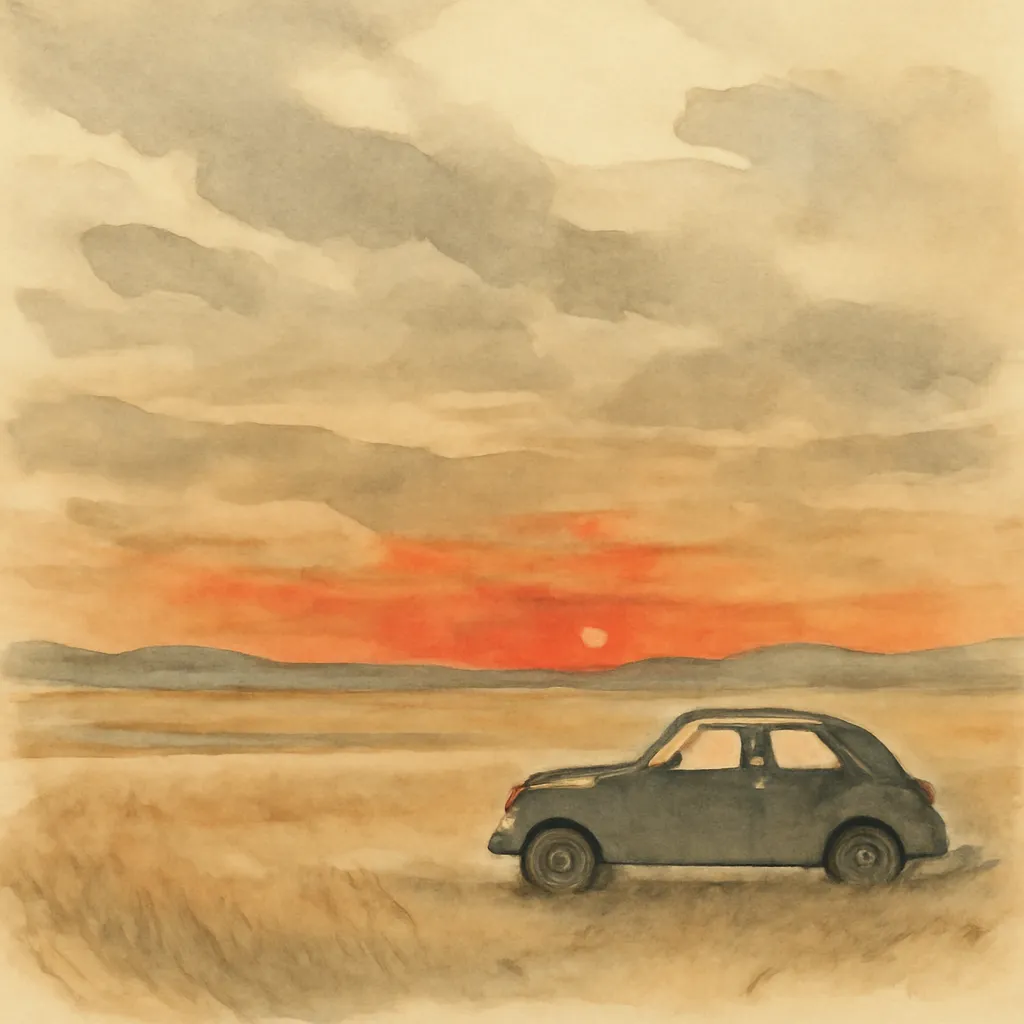
Claire’s road trip serves as a powerful metaphor for her quest for identity and autonomy. The physical act of driving through the Midwest becomes a means of exploring her own desires and ambitions. As she encounters the natural beauty of the prairie and the ruggedness of the American landscape, Claire begins to shed her preconceived notions about class and status. Each stretch of road represents not just a physical distance traveled but also her emotional and psychological journey toward self-awareness. Through her interactions with various characters along the way, from garage attendants to fellow travelers, Claire learns to embrace the richness of life beyond societal expectations.
4.The Contrast Between East and West
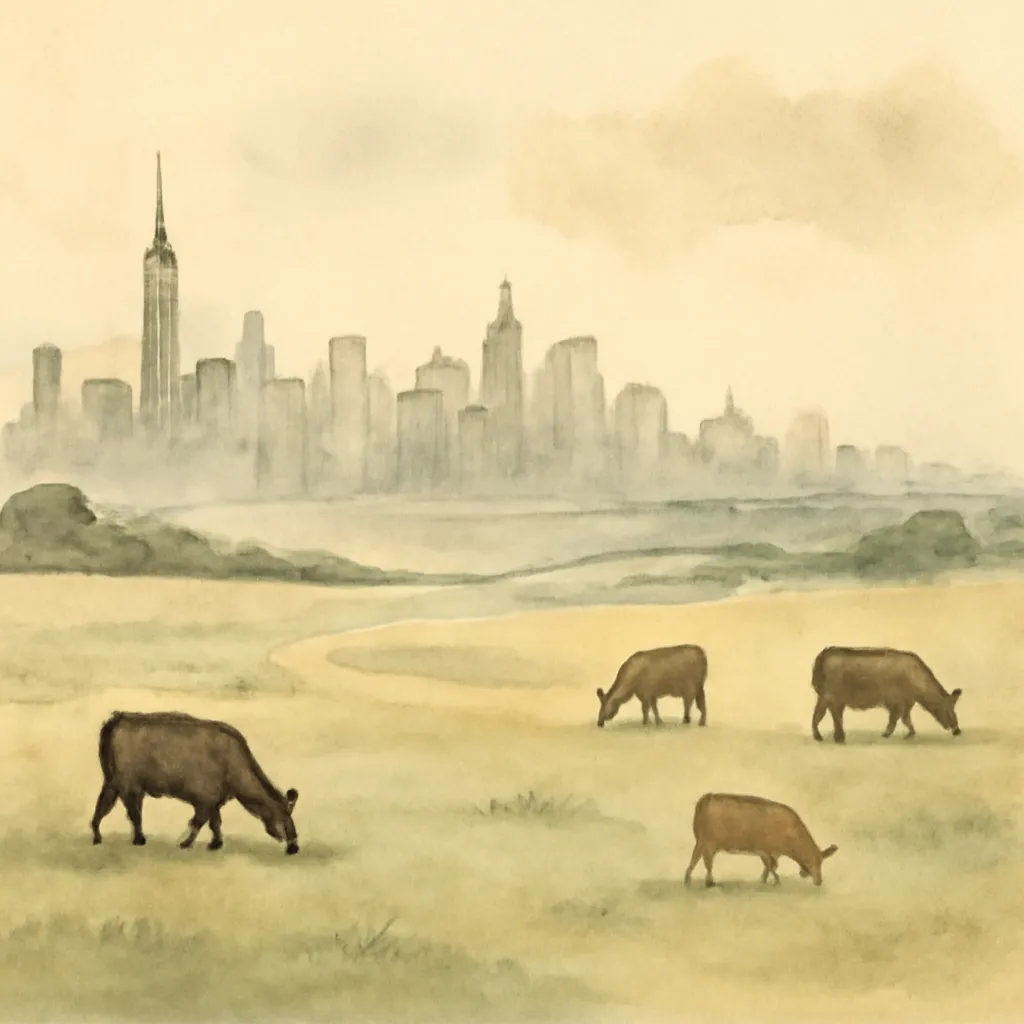
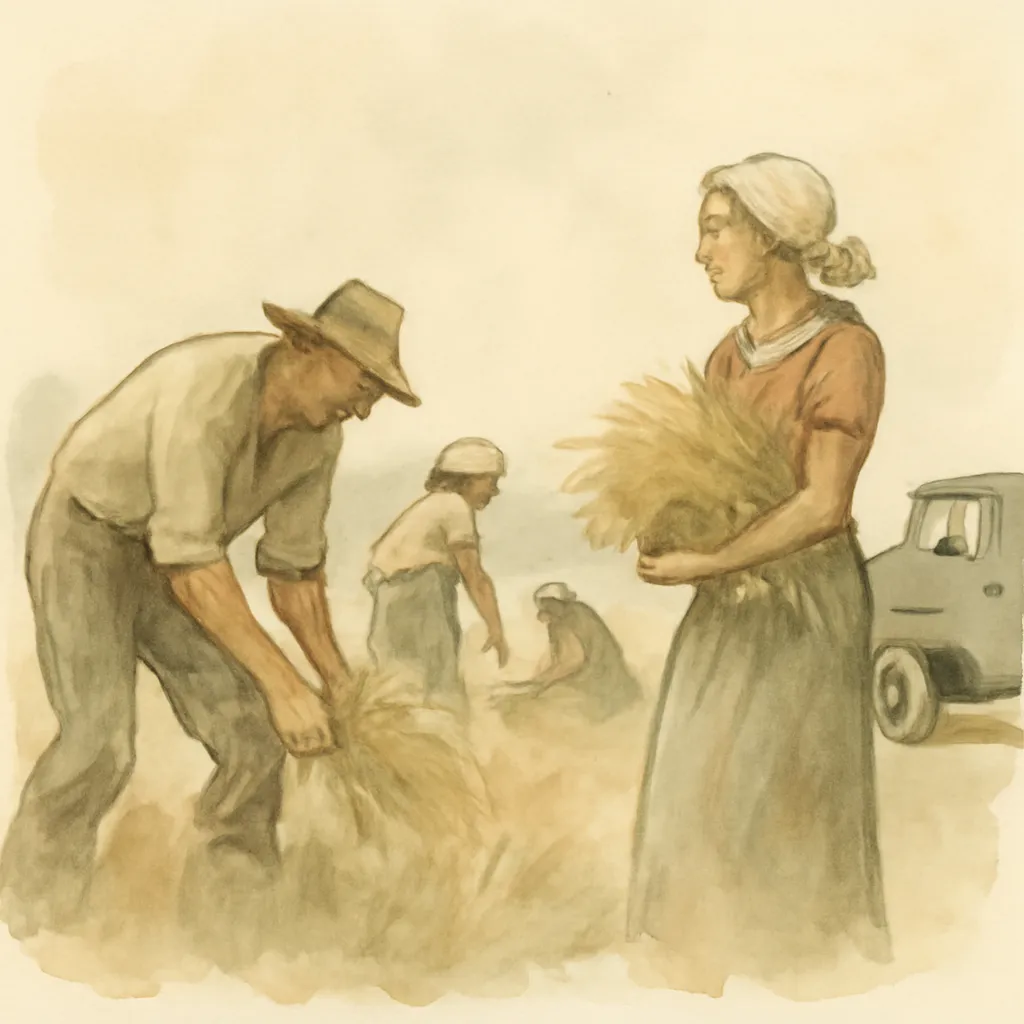
Lewis skillfully contrasts the urban sophistication of the East with the raw authenticity of the West, particularly through Claire’s experiences. Brooklyn Heights, with its opulent mansions and genteel society, symbolizes the restrictive nature of her upbringing, while the open roads and vast prairies represent freedom and possibility. As Claire moves westward, she encounters a different culture—one that values hard work, community, and a connection to the land. This juxtaposition challenges her initial perceptions of superiority over those she deemed 'common people.' In the Midwest, she finds camaraderie and honesty among those who are often overlooked, which ultimately reshapes her understanding of identity and belonging.
5.The Role of the Automobile in American Life
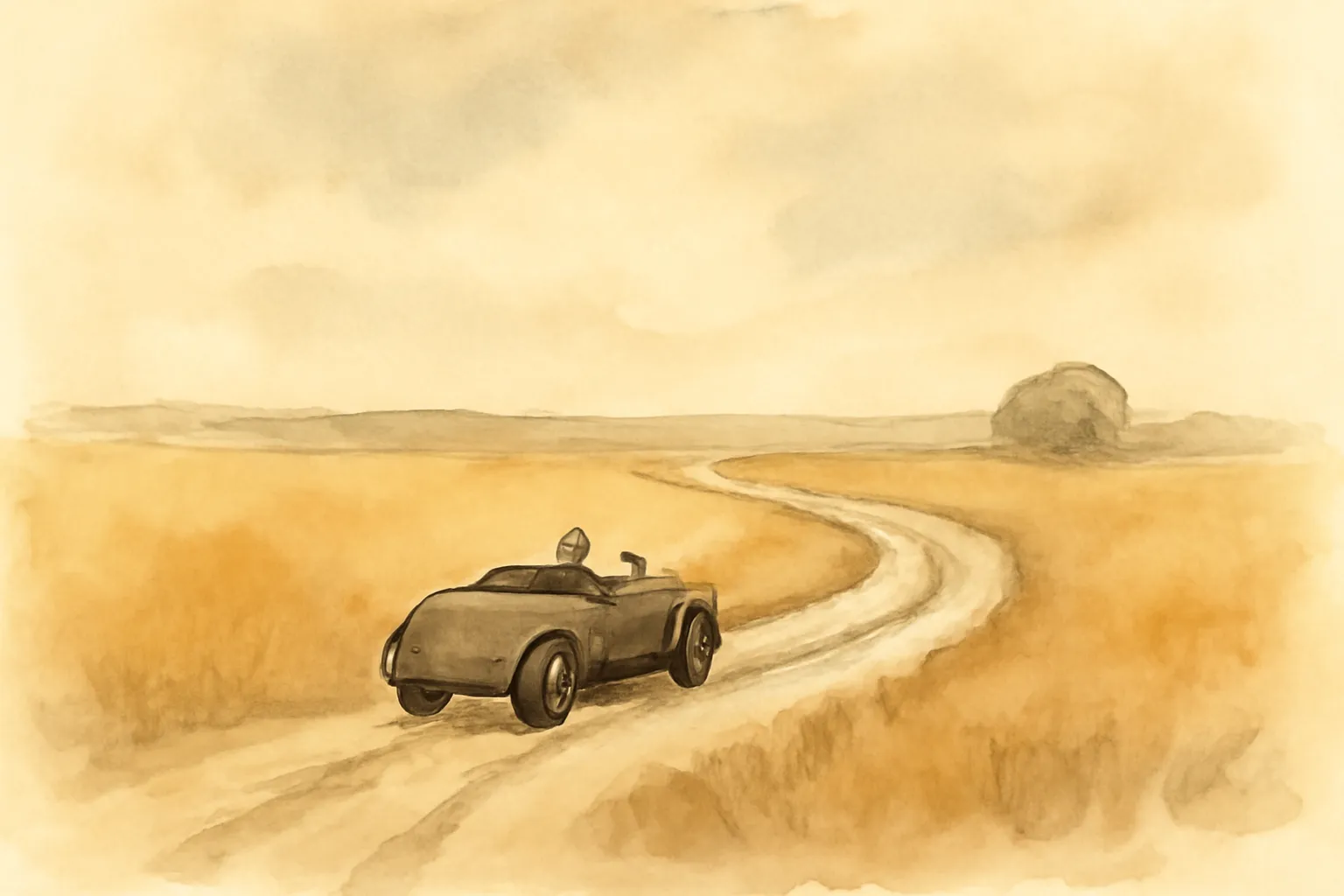
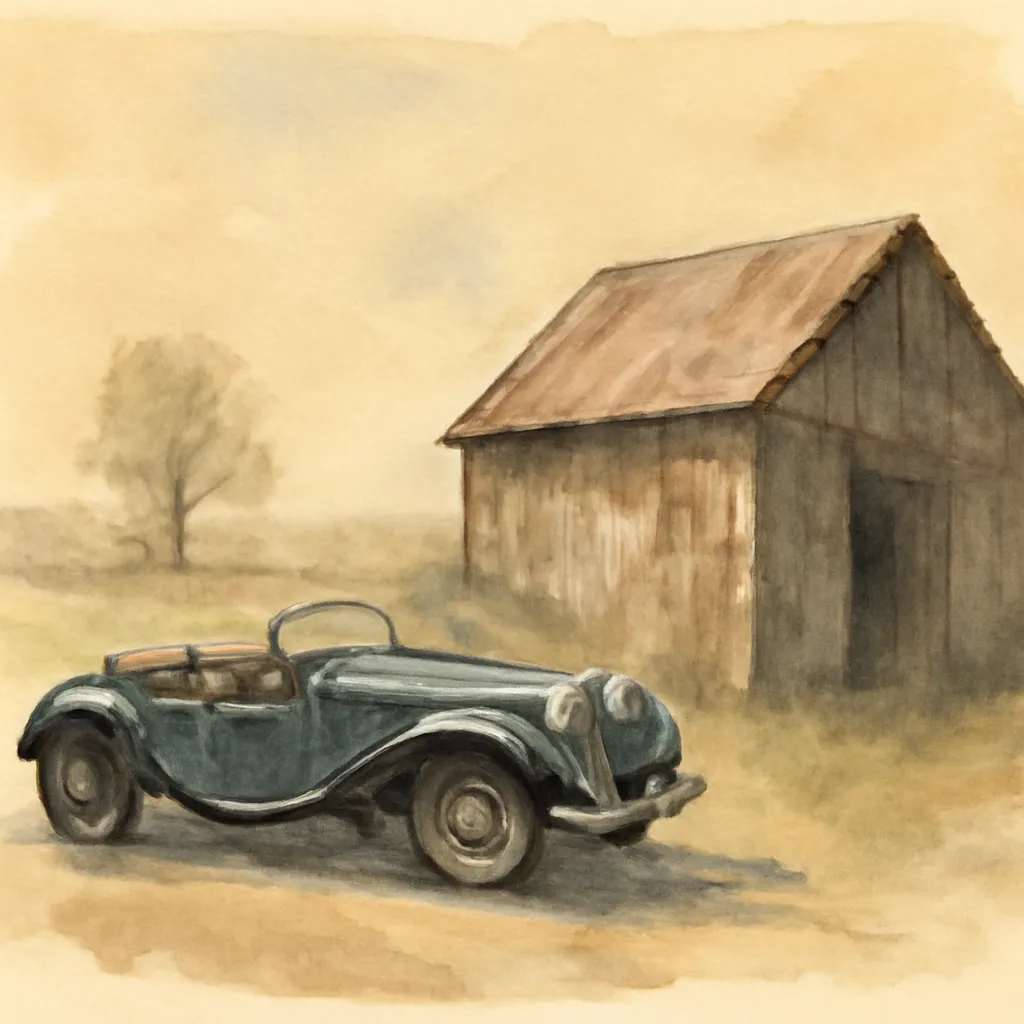
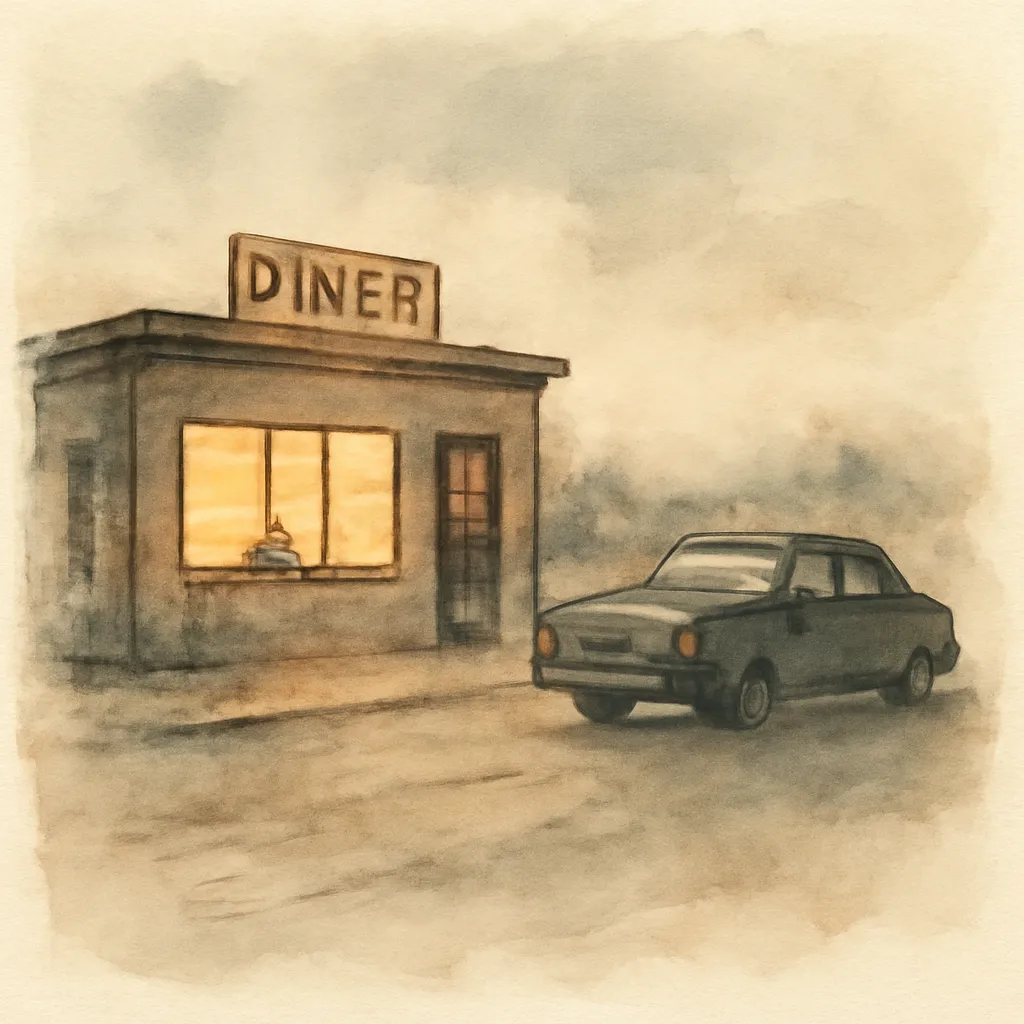
The automobile is not merely a mode of transportation in 'Free Air'; it symbolizes freedom and modernity in early 20th-century America. Claire’s Gomez-Dep roadster represents her desire to break away from the confines of her life and explore the world on her terms. The novel captures the excitement and challenges of automobile travel during a time when such journeys were fraught with uncertainty. From navigating muddy roads to dealing with mechanical failures, Claire's experiences reflect the broader societal shift toward mobility and independence. As she learns to master the car, it becomes a vehicle for her liberation, granting her the autonomy she seeks.
6.Class and Social Dynamics
Lewis intricately weaves themes of class and social dynamics throughout Claire's journey. Initially, she views herself as superior to the rural inhabitants she encounters, believing her education and upbringing grant her an elevated status. However, as she interacts with the locals, she begins to recognize the depth of their lives and the richness of their experiences. Characters like Milt Daggett, who embodies the hardworking spirit of the Midwest, challenge her preconceived notions and force her to reconsider her views on class. This shift highlights the flaws in her previous judgments and fosters a sense of humility and connection with those she once dismissed.
7.The Influence of Male Characters
Throughout her journey, Claire’s interactions with male characters significantly impact her development. Figures like her father represent the traditional expectations of masculinity and the pressures of societal norms. In contrast, Milt Daggett emerges as a more nuanced character, embodying both strength and vulnerability. His laid-back attitude and mechanical prowess appeal to Claire, offering her a glimpse of a different kind of man—one who is not bound by the rigid expectations of society. This contrast between her father's world and Milt's reveals the complexities of gender roles and the potential for deeper connections beyond superficial societal standards.
8.Nature as a Source of Transformation
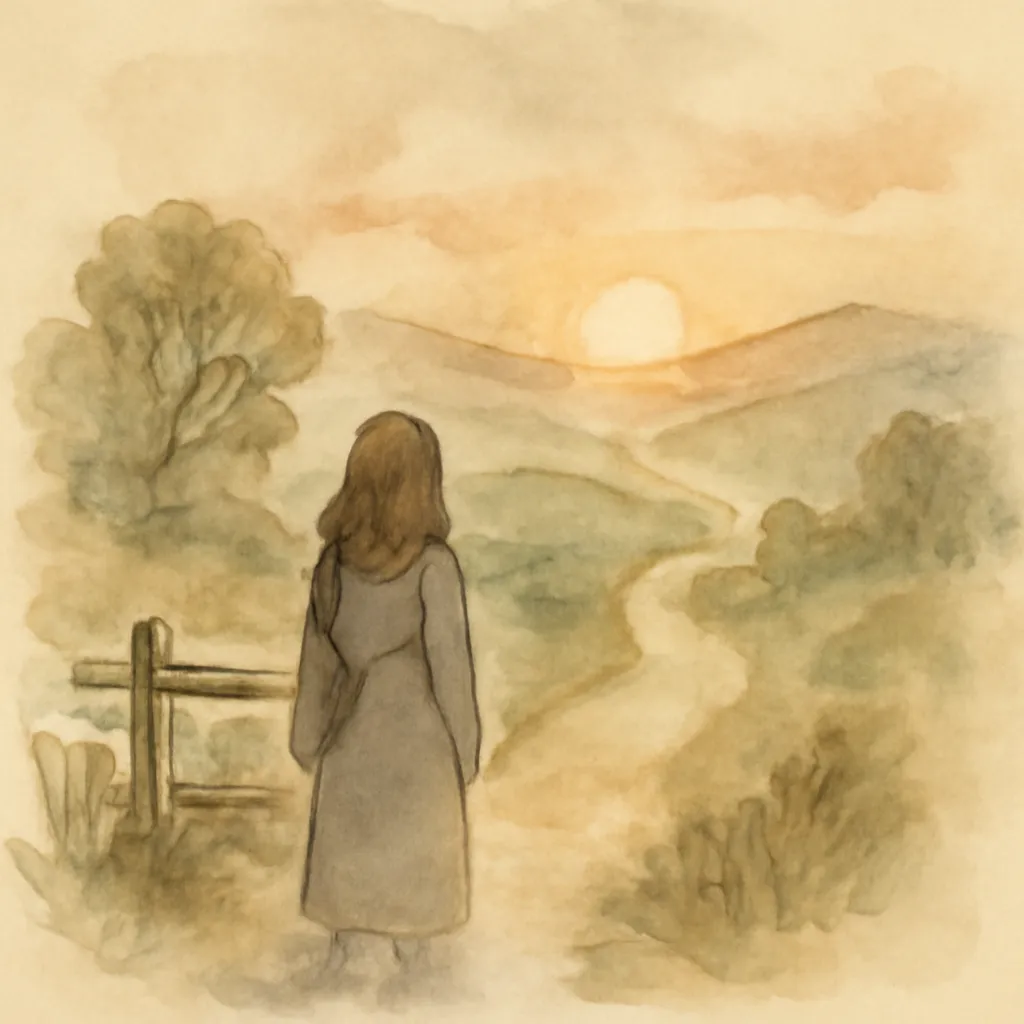
The natural landscape plays a crucial role in Claire’s transformation throughout 'Free Air.' The vast prairies, rolling hills, and expansive skies serve as a backdrop for her emotional journey, reflecting her inner growth and newfound sense of freedom. As she drives through these landscapes, Claire finds solace and inspiration in nature’s beauty. The changing scenery parallels her evolving understanding of herself and her place in the world. By immersing herself in the environment, Claire not only discovers the physical beauty of America but also a deeper connection to her own identity and desires.
9.The Quest for Authenticity
Claire’s journey is ultimately a quest for authenticity in a world that often values appearances over substance. As she navigates the complexities of her relationships and the challenges of travel, she seeks to understand what it means to be true to oneself. Her encounters with various characters, particularly those from different social backgrounds, force her to confront her own biases and assumptions. This quest for authenticity is not just about rejecting societal norms but also about embracing the multifaceted nature of human experience. By the end of her journey, Claire learns that true freedom comes from within, and it is her willingness to embrace her authentic self that enables her to forge meaningful connections with others.
10.The Impact of Travel on Perspective
Travel serves as a catalyst for change in Claire's life, offering her new perspectives on her identity and the world around her. The experiences she accumulates while on the road—both the challenges and the joys—shape her understanding of herself and her place in society. As she interacts with diverse individuals and witnesses the realities of life beyond her sheltered upbringing, Claire’s worldview expands. This transformation underscores the idea that travel is not merely about physical movement but also about personal growth and the cultivation of empathy and understanding. Through her journey, Claire becomes more attuned to the complexities of life, ultimately emerging as a more compassionate and self-aware individual.
11.The Tension Between Adventure and Responsibility
As Claire embarks on her journey of self-discovery, she grapples with the tension between the desire for adventure and the responsibilities that come with it. Initially, her longing for freedom drives her to escape the confines of her life, yet she must confront the realities of her choices along the way. The presence of her father adds a layer of complexity to her adventure, as she navigates her desire for independence while still caring for his well-being. This tension reflects a broader theme of balancing personal aspirations with familial obligations, ultimately leading Claire to a deeper understanding of what it means to be responsible for oneself and others. In this struggle, she learns that true freedom is often intertwined with the acceptance of one's responsibilities.
12.The Journey's End: A New Beginning
By the conclusion of 'Free Air,' Claire’s journey culminates in a newfound sense of self and purpose. The experiences she has accumulated along the way have transformed her perspective on life, love, and the complexities of human connection. As she prepares to return to Brooklyn, she carries with her the lessons learned from the road—the importance of authenticity, the value of human connection, and the beauty of the American landscape. This journey does not simply end; it marks the beginning of a new chapter in her life, one where she is empowered to navigate the world on her own terms. Claire’s evolution exemplifies the enduring power of travel and self-discovery as pathways to personal freedom.