1.The Individual vs. the Institution
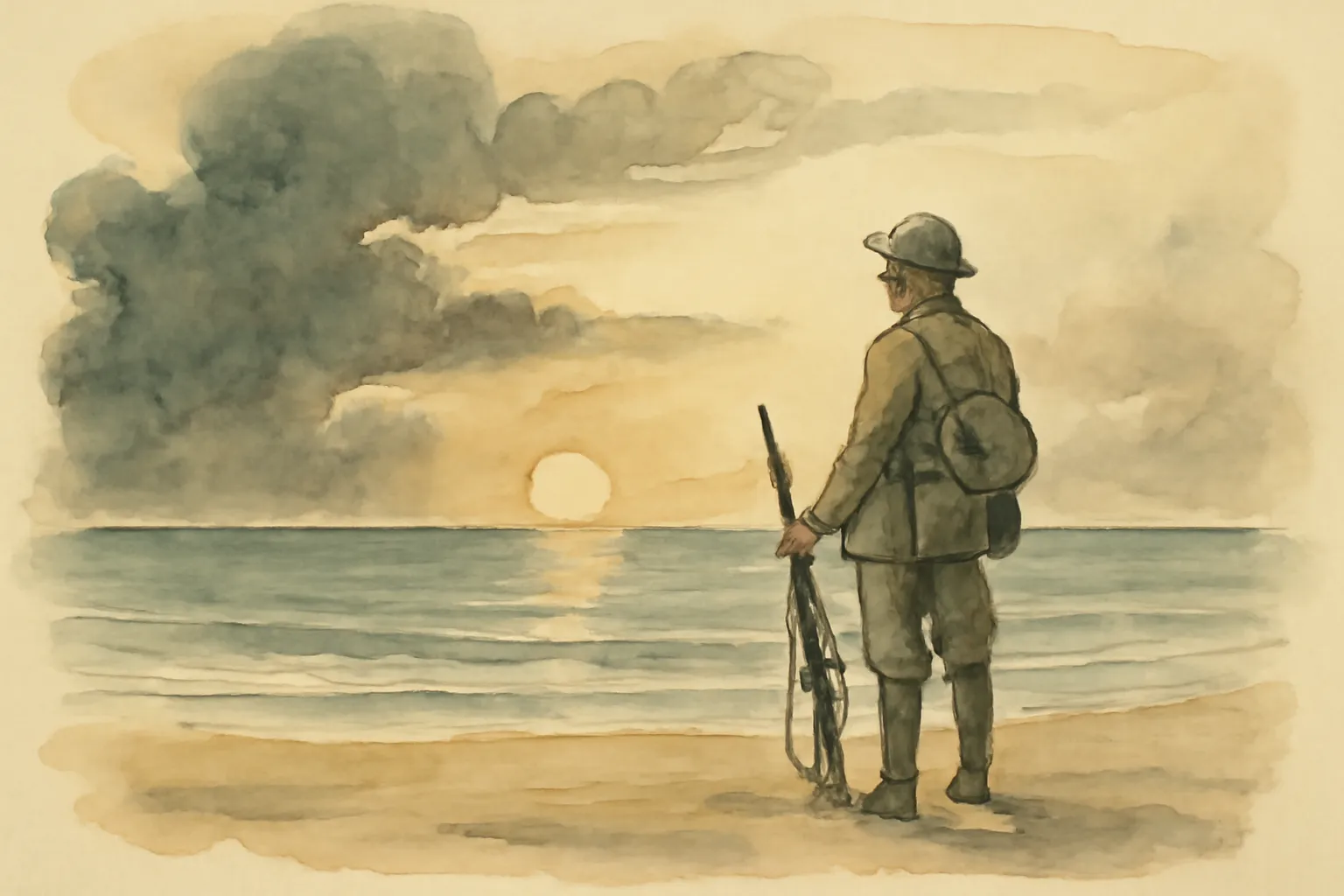
At its core, the novel pits the desires and integrity of individuals against the dehumanizing machinery of the military. Prewitt’s refusal to box, despite immense pressure, becomes a symbol of personal conviction clashing with institutional demands. The Army, depicted as both a surrogate family and an oppressive force, tests the limits of loyalty, conformity, and personal ethics. This tension drives much of the novel’s conflict and gives voice to the struggle of anyone caught between selfhood and system.
2.Masculinity and Vulnerability
James Jones interrogates traditional notions of masculinity, especially as they manifest in the closed world of the barracks. The soldiers’ bravado, violence, and sexual exploits mask deep insecurities and emotional wounds. Through Prewitt, Warden, and others, the novel reveals how the Army both fosters and punishes vulnerability, and how the performance of toughness often leads to tragedy or alienation.
3.Class, Power, and Corruption
The Army is portrayed as a microcosm of American society, rife with class divisions and abuses of power. Officers manipulate rules for personal gain, while enlisted men suffer under arbitrary authority. The 'treatment' given to Prewitt for his nonconformity exposes the cruelty that can arise when hierarchy goes unchecked. The novel’s critique extends beyond the military, offering a broader commentary on social injustice.
4.Love and Escape
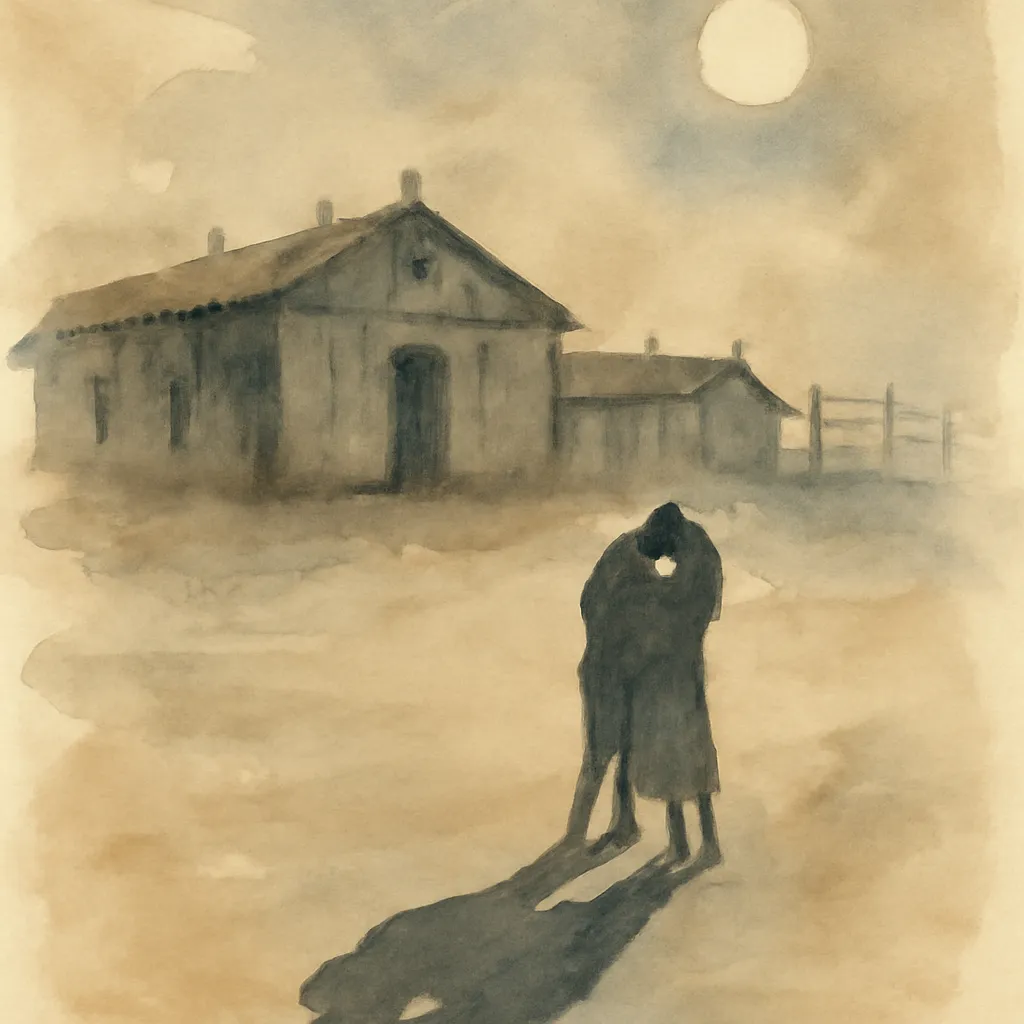
Romantic and sexual relationships in the novel are fraught with longing and frustration. Warden’s affair with Karen Holmes and Prewitt’s relationship with Lorene (Alma) represent attempts to find meaning and solace outside the Army’s suffocating grip. Yet these relationships are shaped—and often doomed—by the very structures the characters hope to escape, highlighting the difficulty of genuine connection in a world defined by secrecy and constraint.
5.The Shadow of War
Although the bulk of the novel occurs before Pearl Harbor, the looming threat of war saturates the atmosphere. The characters’ personal battles are set against the impending catastrophe, lending their struggles a tragic inevitability. Jones uses the historical moment to underscore the fragility of life and the suddenness with which violence can upend ordinary existence.
6.Honor, Despair, and the Search for Meaning
From Here to Eternity is ultimately about the search for honor and meaning in a world that often seems indifferent or hostile. The characters’ acts of rebellion, love, and sacrifice are attempts to assert their humanity against forces that seek to reduce them to cogs in a machine. The novel’s enduring power lies in its refusal to offer easy answers, instead presenting the messy, contradictory nature of courage and despair.