1.Transactional Analysis: The Framework
Berne introduces Transactional Analysis (TA) as a method for understanding human behavior through the lens of social transactions. Each interaction is analyzed as an exchange between different 'ego states'—Parent, Adult, and Child—within each person. This framework helps decode why conversations often veer off track or become emotionally charged, offering a practical way to identify what part of ourselves is speaking or being addressed.
2.Psychological Games: Hidden Scripts
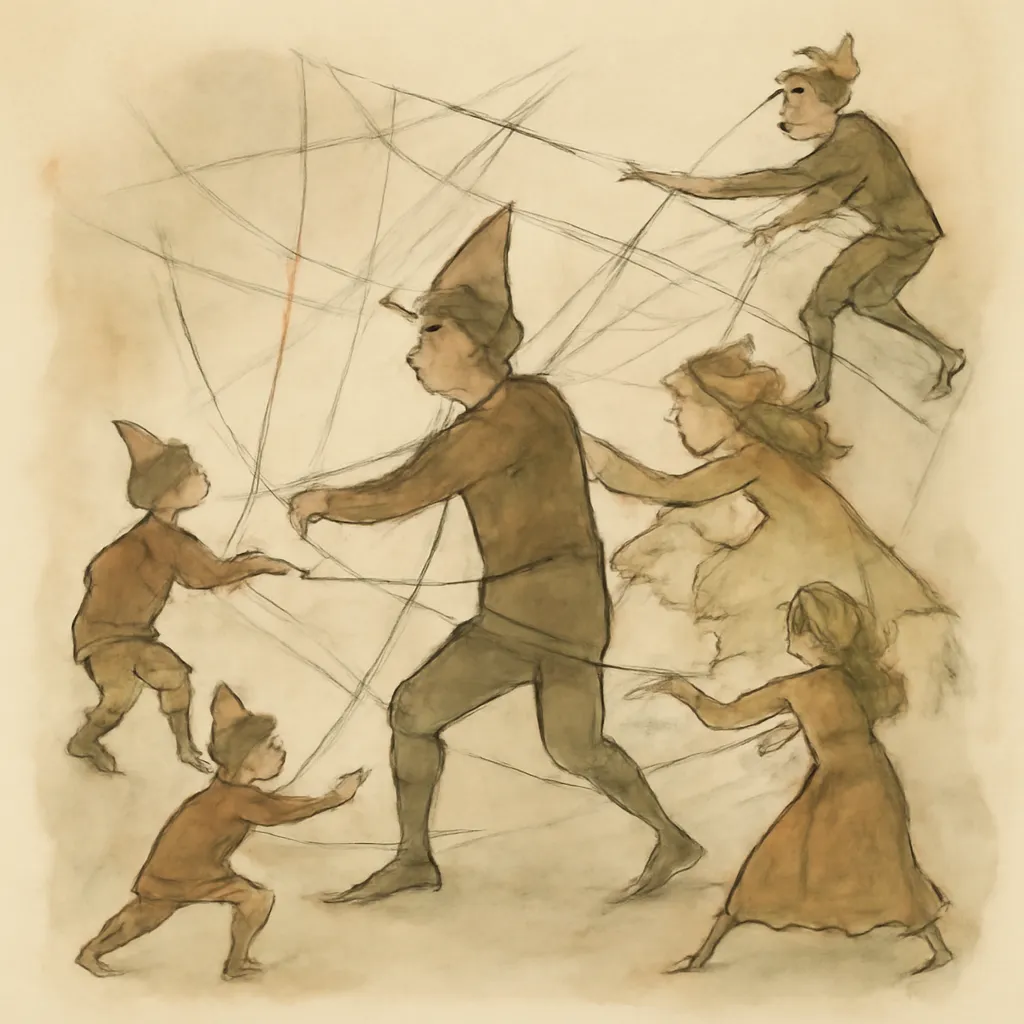
The core of the book is the concept of 'games'—repetitive, unconscious patterns of behavior that people use to achieve hidden psychological payoffs. These games are not fun diversions but manipulative exchanges that often lead to confusion, resentment, or alienation. Berne catalogs dozens of games, such as 'Why Don't You—Yes But' and 'Now I've Got You, You Son of a Bitch,' showing how they operate beneath the surface of everyday life.
3.The Payoff: Why We Play
Berne argues that people play games to satisfy unspoken emotional needs, such as affirmation, control, or avoidance of intimacy. The 'payoff' is rarely what it appears on the surface; instead, it often reinforces self-defeating beliefs or dysfunctional relationships. Recognizing the payoff is key to breaking free from destructive cycles.
4.From Games to Genuine Intimacy
One of Berne’s most optimistic ideas is that by becoming aware of these games, individuals can choose to stop playing and instead engage in more authentic, 'game-free' relationships. This shift opens the possibility for genuine intimacy, where communication is straightforward and needs are expressed honestly rather than through manipulation.
5.Social Structures and Rituals
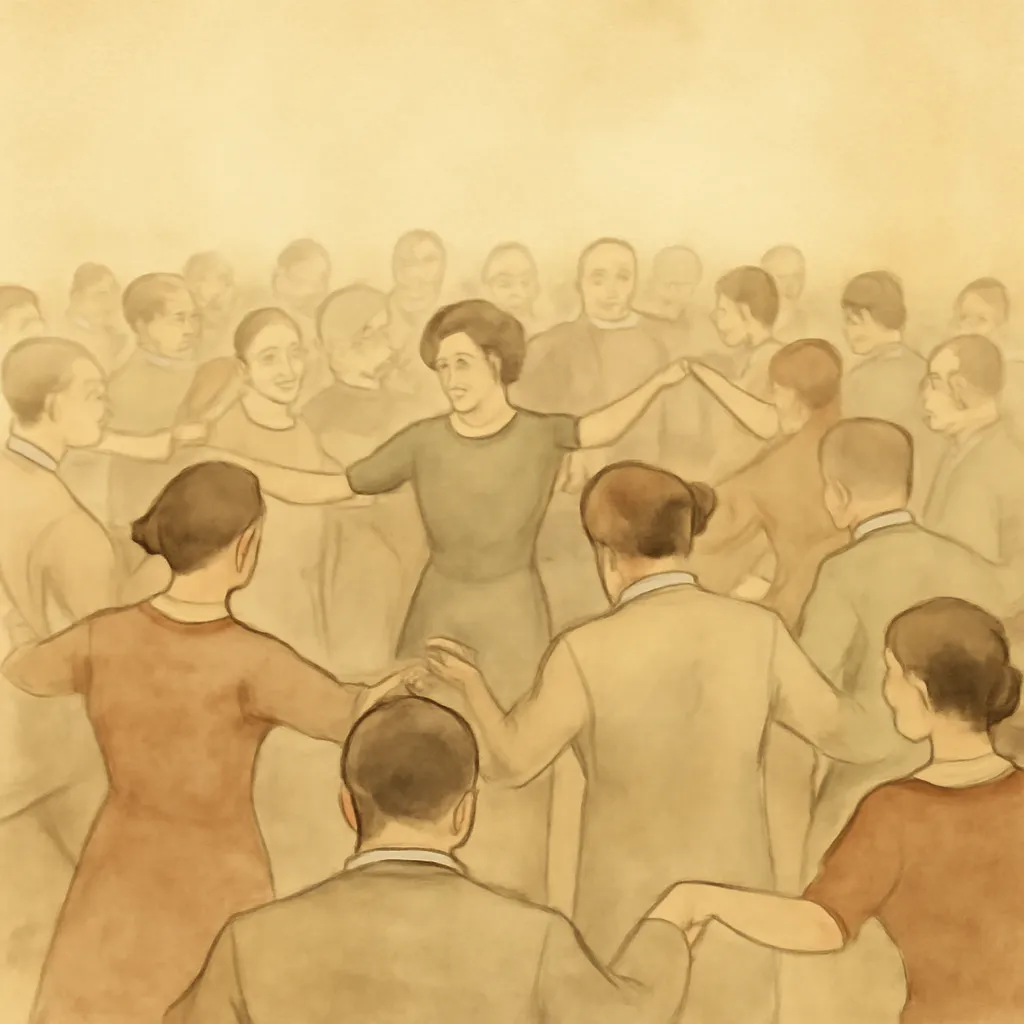
Berne also explores how games fit into broader social rituals and structures. He suggests that much of what we consider normal social interaction is, in fact, ritualized or game-driven. Understanding this can help people navigate group dynamics, workplace politics, and family systems with greater insight and agency.
6.Practical Self-Reflection
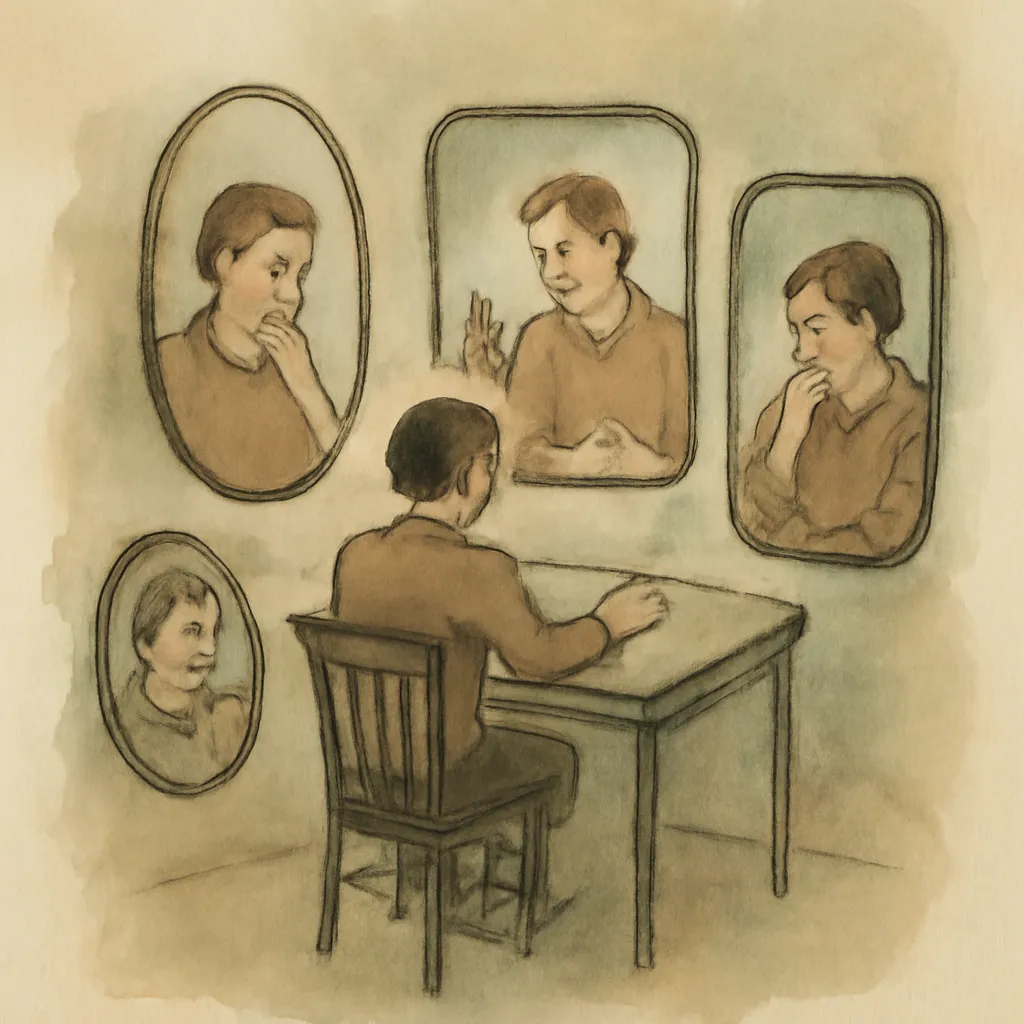
The book encourages readers to observe their own interactions and ask tough questions about recurring patterns. By identifying which games they play and why, individuals can make conscious choices about how they relate to others, leading to healthier and more satisfying connections.