1.Ethnography as Political Commentary
Tacitus’s Germania is more than a simple description of foreign tribes; it serves as an implicit critique of Roman society. By highlighting the virtues he perceives in the Germanic peoples—such as bravery, simplicity, and communal loyalty—Tacitus contrasts them with what he sees as the decadence and moral decline of Rome. This comparative approach was common in Roman literature, using the 'other' as a mirror to reflect on the self.
2.Idealization and Stereotyping
Tacitus’s portrayal of the Germans is a blend of admiration and stereotype. He admires their martial valor, hospitality, and monogamy, but also describes them as primitive and lacking in sophistication. This duality reveals the Roman tendency to both romanticize and diminish foreign peoples, shaping narratives that would persist in European thought for centuries.
3.Social Structure and Customs
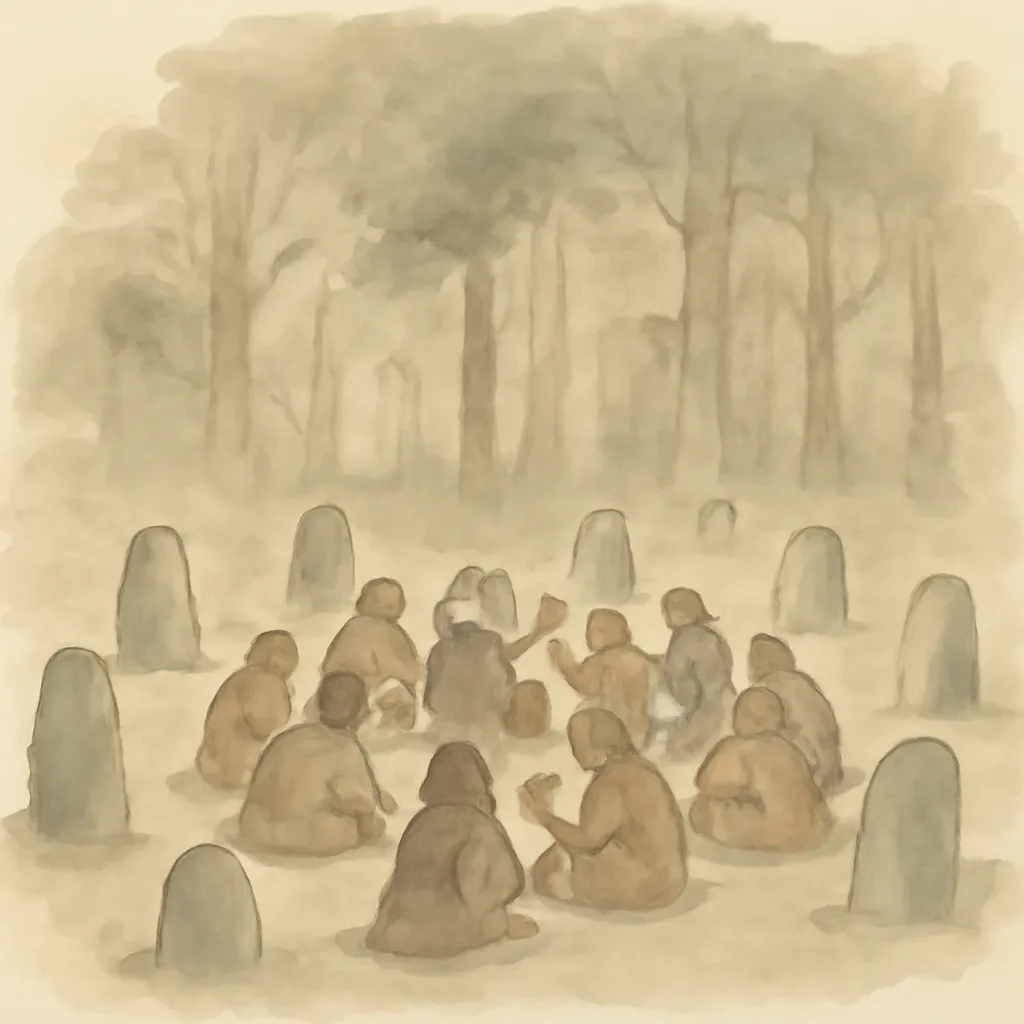
Germania provides detailed observations on Germanic social organization, including the roles of chieftains, assemblies, warriors, and women. Tacitus notes their egalitarian aspects—such as communal decision-making and respect for women—alongside their warrior ethos. These descriptions have influenced later interpretations of Germanic and even broader European traditions.
4.The Role of Geography and Environment
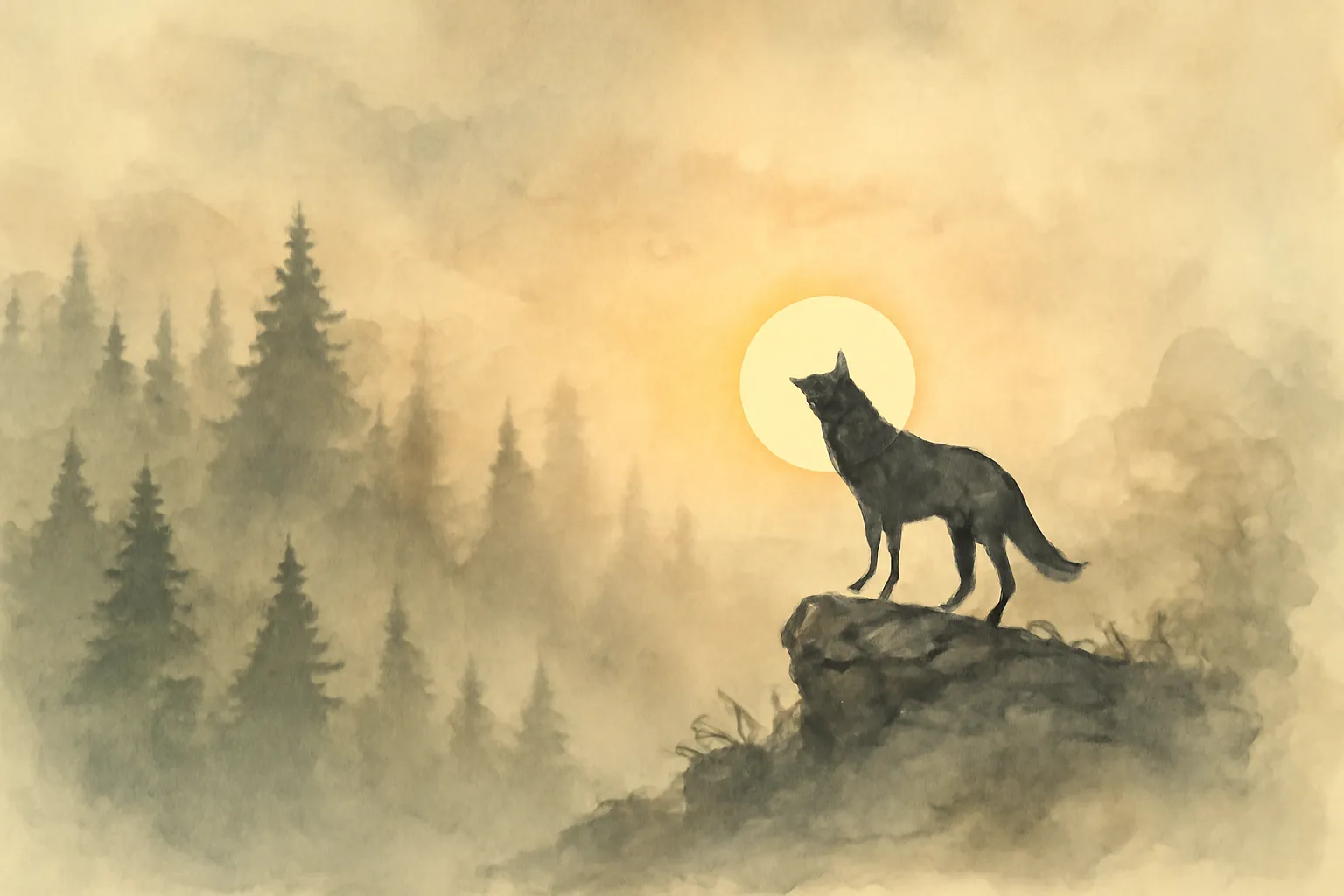
Tacitus emphasizes how the harsh northern climate and landscape shape the character and customs of the Germanic peoples. He suggests that their environment fosters hardiness, independence, and resistance to luxury. This environmental determinism reflects Roman attempts to explain cultural differences through geography.
5.Legacy and Misuse
Germania’s influence extends far beyond its original context. In later centuries, it was used to construct ideas of German national identity, sometimes in problematic ways. Its romanticized depiction of Germanic virtues was appropriated by various political movements, demonstrating how ancient texts can be reinterpreted to serve modern agendas.
6.Limits of Roman Knowledge
Tacitus admits that much of his information is secondhand, and his account is shaped by the limits of Roman contact with the Germanic world. His Germania is thus as much a product of Roman imagination as of observation, reminding readers to approach ancient ethnography with critical awareness.