1.The Imago Theory
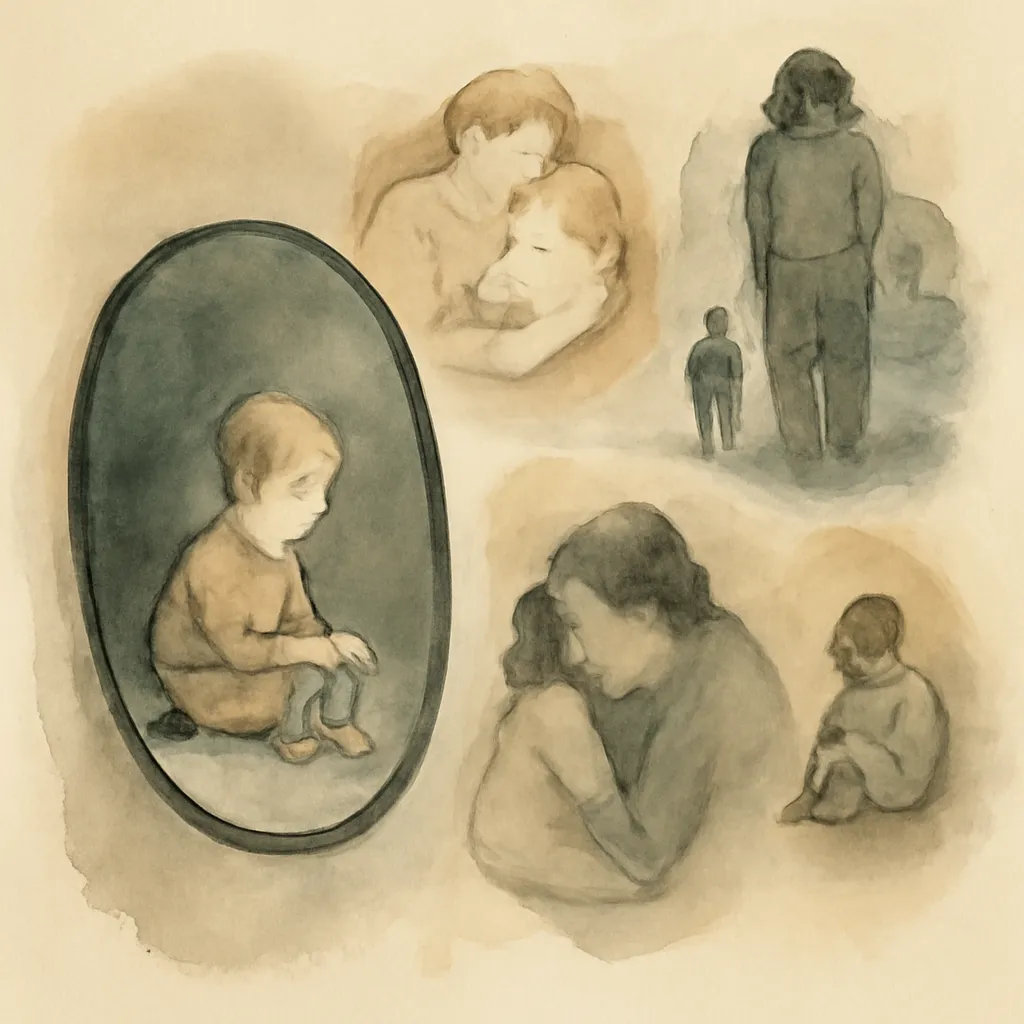
Hendrix introduces the concept of the 'Imago,' an unconscious image of familiar love formed in childhood. According to the theory, we are drawn to partners who reflect both the positive and negative traits of our early caregivers. This explains why romantic relationships can feel both exhilarating and frustrating, as they often trigger unresolved childhood wounds. Recognizing your Imago helps you understand recurring conflicts and why you chose your partner, offering a foundation for healing and growth.
2.Conscious Partnership
The book advocates moving from 'unconscious' to 'conscious' love. In unconscious relationships, couples react automatically, often repeating destructive patterns. Conscious partnership requires both partners to become aware of their triggers and intentionally nurture the relationship. This shift involves empathy, active listening, and a willingness to grow together, transforming the relationship into a source of healing rather than pain.
3.The Power Struggle Phase
Hendrix identifies the 'power struggle' as a normal stage in relationships, following the initial romantic phase. During this period, differences and unmet needs become sources of conflict. Rather than signaling incompatibility, the power struggle is an opportunity for growth. By understanding its roots in childhood wounds and unmet needs, couples can use this phase to deepen intimacy and develop healthier ways of relating.
4.Intentional Dialogue
A central tool in the book is the 'Intentional Dialogue,' a structured communication process that helps partners truly hear and understand each other. This technique involves mirroring (repeating what your partner says), validating (acknowledging their perspective), and empathizing (connecting with their feelings). Practicing intentional dialogue builds trust, reduces defensiveness, and fosters emotional safety in the relationship.
5.Healing Through Relationship
Hendrix posits that romantic relationships offer a unique opportunity for healing childhood wounds. By consciously addressing unmet needs and supporting each other's growth, couples can transform their relationship into a safe space for emotional repair. This process requires vulnerability, patience, and a commitment to mutual care, but it can lead to profound personal and relational transformation.
6.Practical Exercises and Commitment
The book is known for its actionable exercises designed to help couples reconnect and rebuild intimacy. These include daily appreciations, sharing childhood stories, and creating rituals of connection. Hendrix emphasizes that change requires ongoing effort and a shared commitment to the process, encouraging couples to view their relationship as a lifelong journey of learning and growth.