1.The Mind Like Water Principle
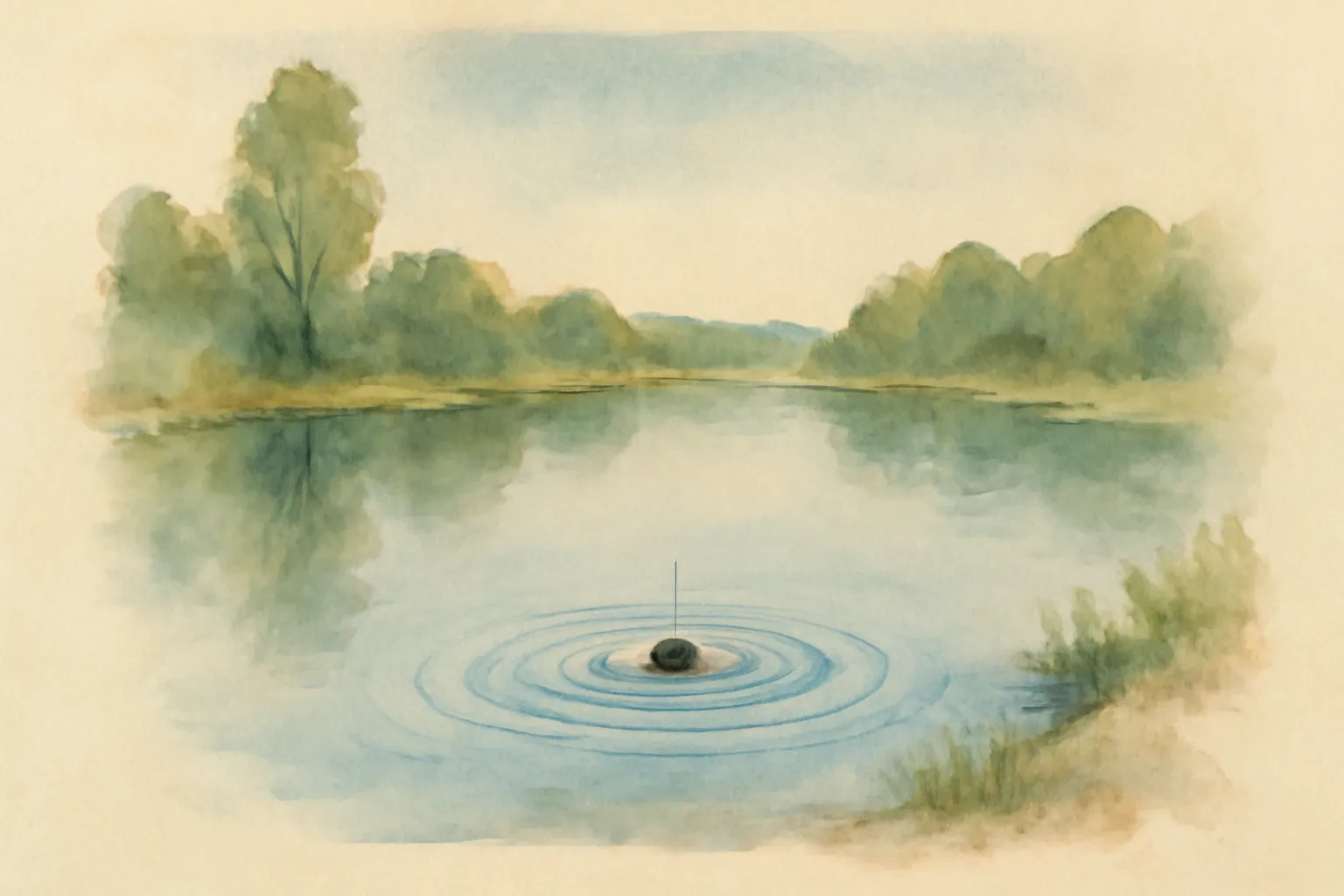
Allen argues that our minds are for having ideas, not holding them. When we try to remember everything, our mental bandwidth is consumed by anxiety and unfinished tasks. The 'mind like water' state—calm, responsive, and unburdened—is achieved by systematically moving tasks and commitments out of our heads and into a trusted external system. This frees up cognitive resources for creativity and effective decision-making.
2.The Five Steps of Workflow
Allen's method is built around five core actions: capture, clarify, organize, reflect, and engage. First, you capture everything that has your attention. Then, clarify what each item means and what needs to be done. Next, organize tasks into appropriate categories and lists. Regularly reflect on your system to keep it current. Finally, engage by choosing what to work on with confidence, knowing nothing important is being forgotten.
3.Next Actions and Projects
A central insight is distinguishing between actionable next steps and larger projects. Many people get stuck because they treat vague intentions as tasks. Allen insists on defining the very next physical action required. Projects—anything requiring more than one step—are tracked separately, with each broken down into concrete next actions. This clarity reduces procrastination and builds momentum.
4.The Power of Capture
Allen emphasizes capturing every open loop—anything that has your attention—into a trusted system, whether it's paper, digital, or a hybrid. By doing so, you prevent mental clutter and ensure that nothing slips through the cracks. The act of capturing itself is liberating, as it signals to your brain that the item will be handled appropriately.
5.Weekly Review for Trust and Clarity
A cornerstone of GTD is the weekly review: a dedicated time to process, update, and reflect on your commitments. This ritual keeps your system reliable and your mind clear, ensuring that priorities are current and nothing is neglected. The review transforms your to-do lists from static reminders into dynamic tools for focus and control.
6.Context-Based Organization
Rather than keeping a single overwhelming list, Allen recommends organizing tasks by context—such as 'calls,' 'at computer,' or 'errands.' This allows you to quickly see what you can do in your current situation, making it easier to take action and reducing friction in your workflow.