1.The Power of the Gaze
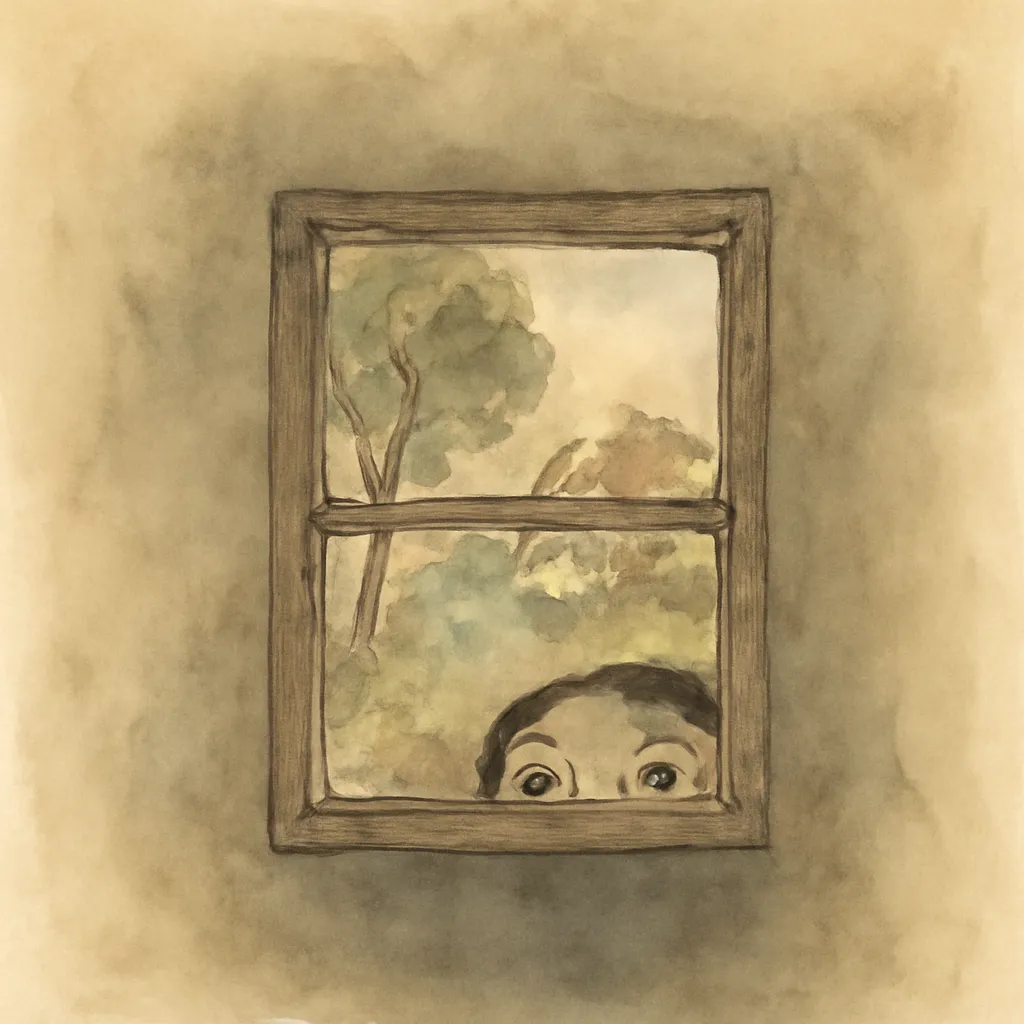
Chevalier’s novel is fundamentally about seeing and being seen. Griet’s acute visual sensitivity draws Vermeer’s attention, but it also marks her as different in a world where servants are meant to be invisible. The act of looking—at art, at people, at social hierarchies—becomes both dangerous and transformative. The novel asks who gets to observe, who is observed, and what it costs to cross those lines.
2.Class and Constraint
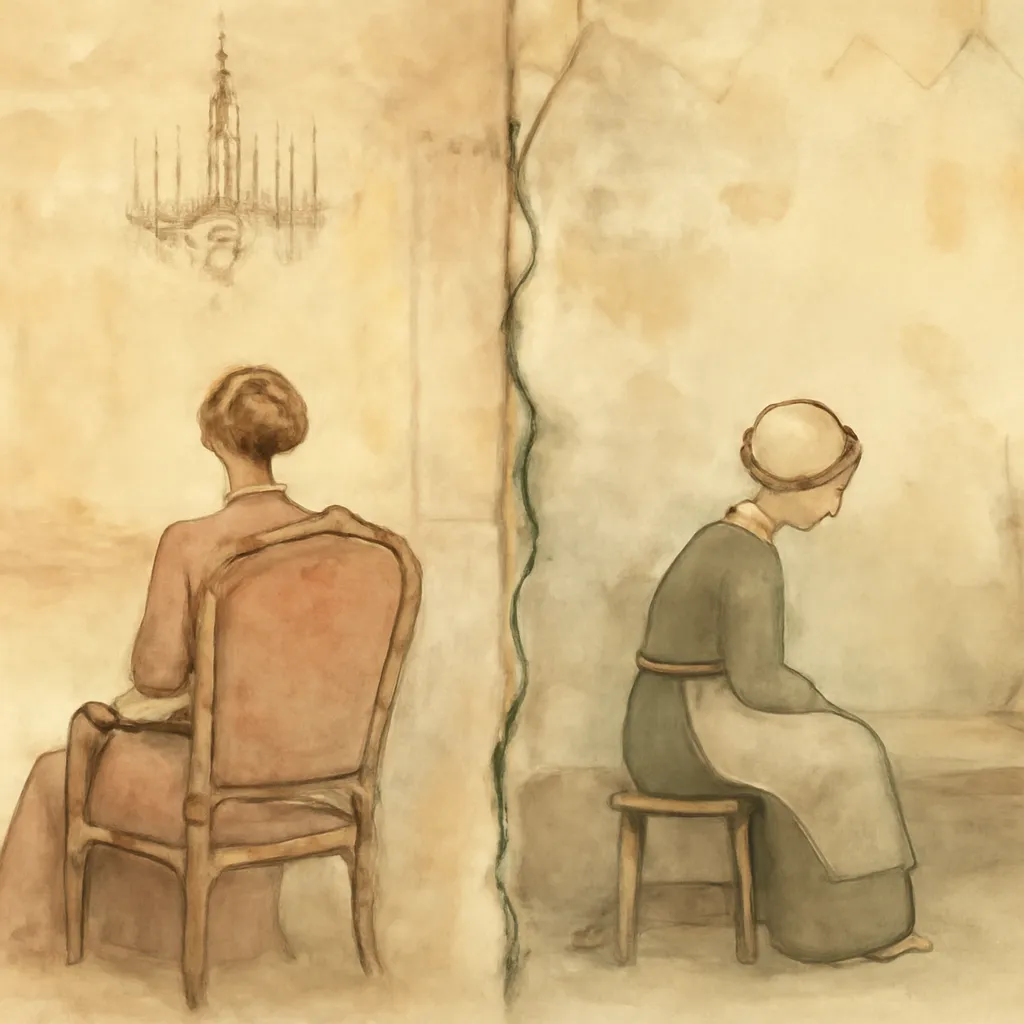
Set in 17th-century Delft, the story vividly depicts a society rigidly divided by class and gender. Griet’s position as a maid places her at the mercy of her employers’ whims, yet she navigates her limited power with intelligence and subtlety. The novel explores how class constrains desire, ambition, and even the creation of art, highlighting the invisible labor and sacrifices of those at the margins.
3.Art as Intimacy and Transgression
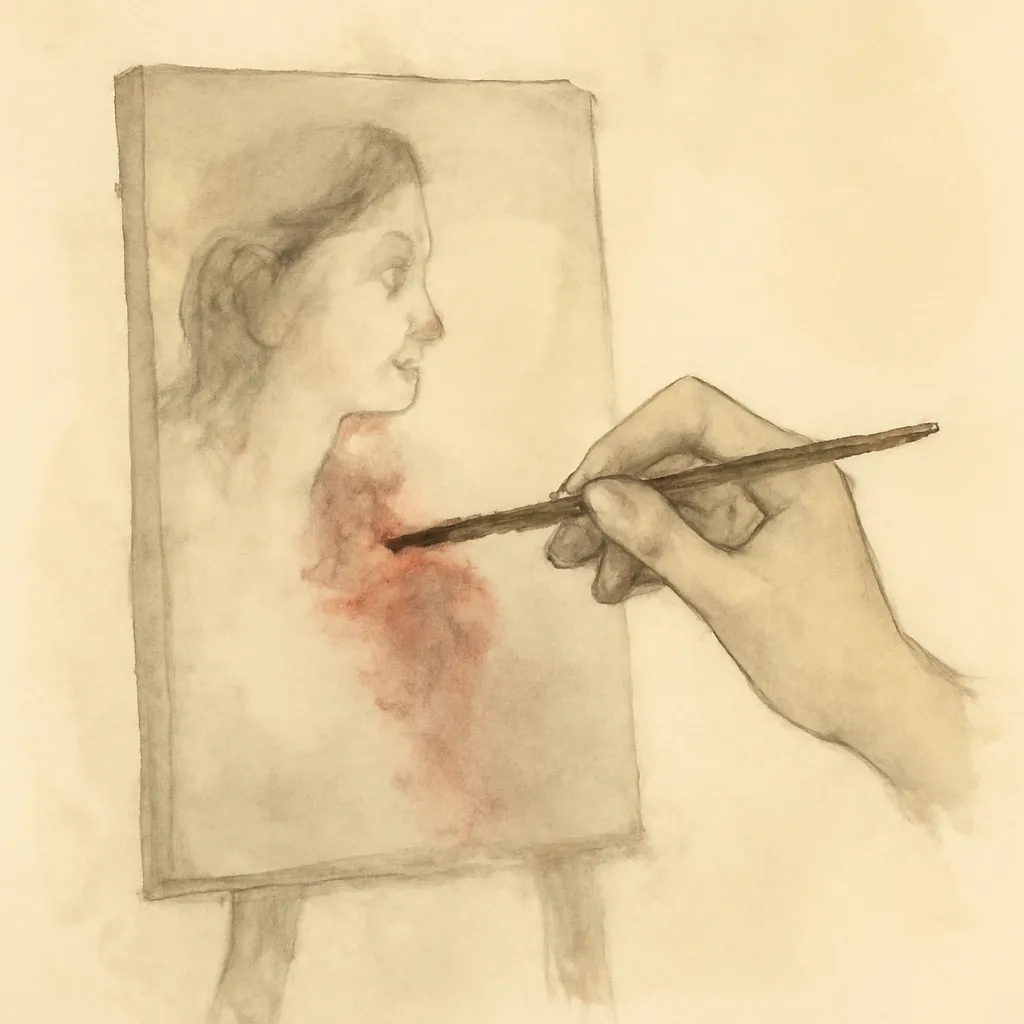
The relationship between Griet and Vermeer unfolds through the language of art. As Griet assists Vermeer in his studio and ultimately sits for him, their connection becomes a form of intimacy that is both creative and fraught. Chevalier suggests that the act of making art can be an act of trespass—especially for a young woman whose reputation and future are at stake.
4.Women’s Agency in a Patriarchal World
Despite her lowly status, Griet exercises agency in subtle but significant ways. She negotiates the dangerous attentions of Vermeer’s patron, manages household politics, and makes choices that shape her own fate. The novel foregrounds the limited but real forms of power available to women, especially those who must operate within the strictures of servitude.
5.The Mystery of Creation
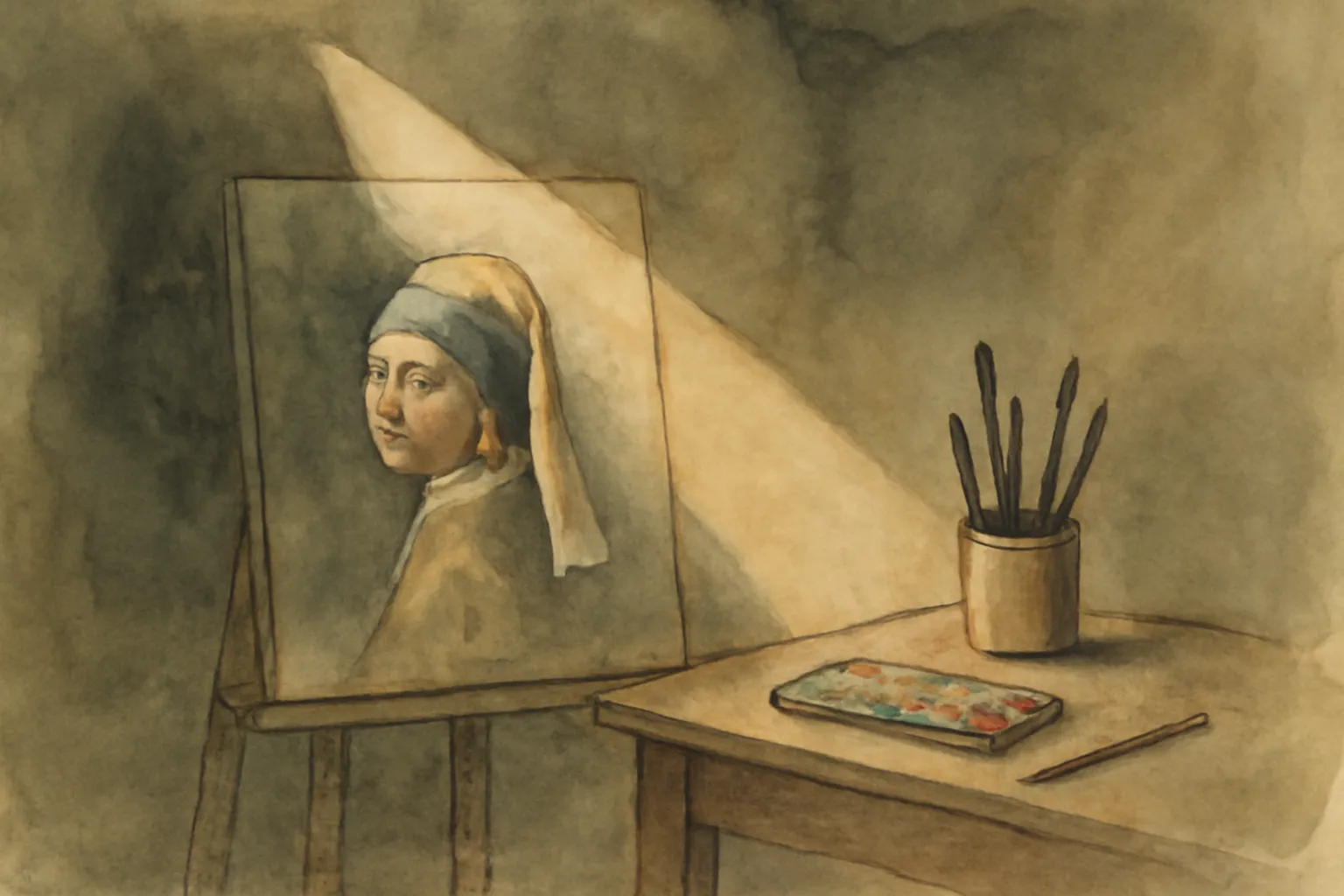
Chevalier uses the process of painting to explore the mysteries of artistic creation. The novel demystifies some aspects of Vermeer’s technique while preserving the sense of wonder that surrounds his work. Griet’s perspective as both outsider and collaborator offers a unique vantage point on how art is made—and how it can change those who make it.
6.Silence and Communication
Much of the novel’s tension lies in what is left unsaid. Griet and Vermeer communicate through glances, gestures, and the shared language of color and light. This silence is both a necessity—given their stations—and a source of emotional depth, underscoring the novel’s themes of repression and longing.