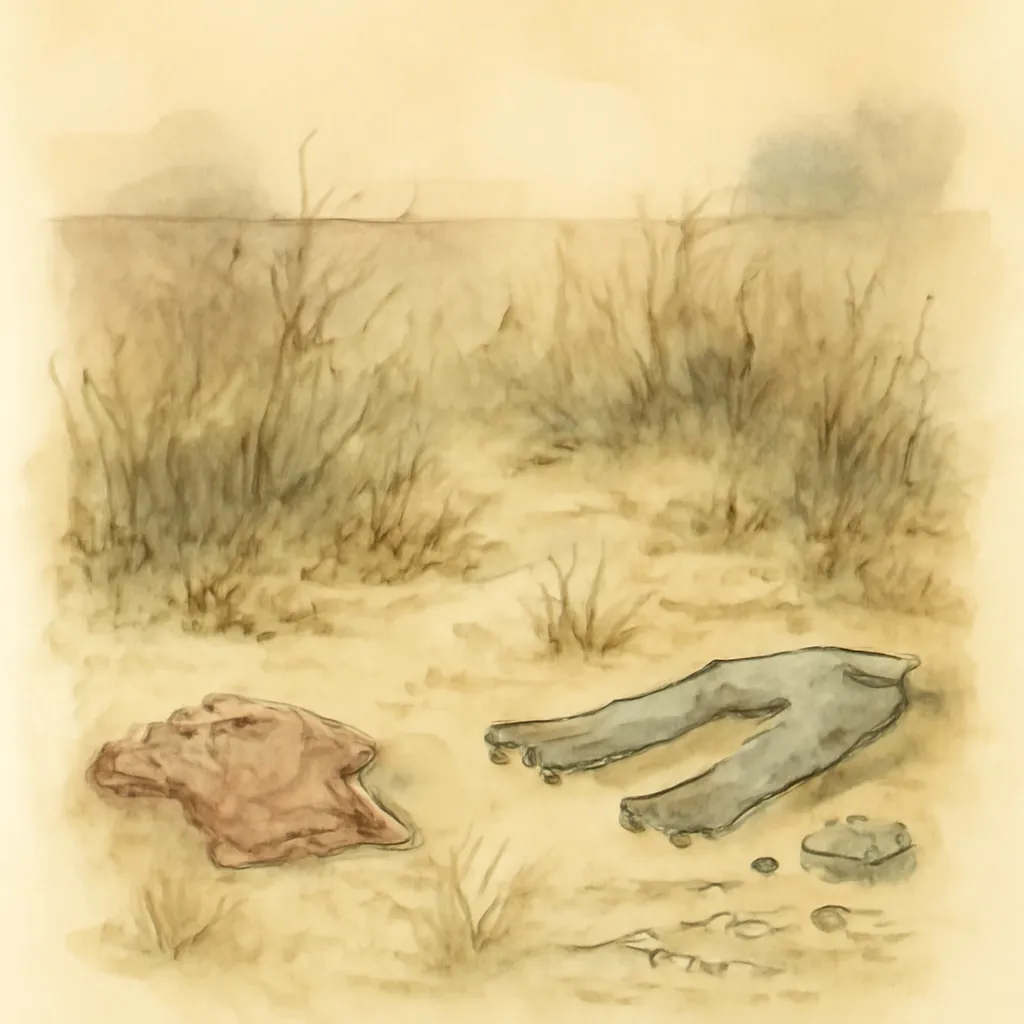
1.Victims’ Voices Restored
Rule refuses to let the Green River Killer’s victims become mere statistics. She reconstructs their lives, dreams, and vulnerabilities, giving them dignity and individuality. This focus challenges the tendency of true crime to sensationalize the perpetrator, instead urging readers to empathize with the women whose disappearances were often marginalized by society and law enforcement. Rule’s approach is a reminder of the human cost of violence and the importance of remembering those lost, not just the crimes committed against them.
2.The Complexity of Evil
The book delves into the psychology of Gary Ridgway, the Green River Killer, but avoids easy answers or lurid fascination. Rule explores how Ridgway’s ordinariness—the banality of his day-to-day life—masked monstrous acts, raising unsettling questions about the nature of evil and the ways it can hide in plain sight. The narrative probes the intersection of pathology, misogyny, and opportunity, suggesting that evil often flourishes in overlooked corners of society.
3.The Long Haul of Justice
Rule documents the painstaking, decades-long investigation, highlighting the tireless efforts of detectives, forensic scientists, and families. The book underscores how advances in technology—especially DNA analysis—finally broke the case, but also how human persistence and collaboration were essential. This theme emphasizes that justice is often slow, imperfect, and dependent on both innovation and unrelenting determination.
4.Society’s Blind Spots
Green River, Running Red is also a critique of societal attitudes toward marginalized women, particularly sex workers and runaways. Rule exposes how biases and indifference allowed the killer to operate for so long, and how the victims’ lifestyles contributed to their vulnerability and the lack of urgency in their cases. The book compels readers to confront uncomfortable truths about whose lives are valued and protected.
5.Personal Stakes and Community Trauma
Ann Rule’s own proximity to the crimes—living near the dumping sites and sharing a community with the victims—infuses the book with a sense of personal investment and communal grief. She reflects on the ripple effects of the murders, not just on families, but on the psyche of an entire region. This perspective adds emotional depth and authenticity, making the narrative resonate beyond the details of the crimes.
6.The Ethics of True Crime
Rule grapples with the responsibilities of writing about real-life horror. She is careful to avoid glorifying the killer, instead focusing on truth, respect for the victims, and the impact on survivors. The book becomes a meditation on the ethics of storytelling, the dangers of voyeurism, and the potential for true crime to foster empathy and awareness rather than just thrills.