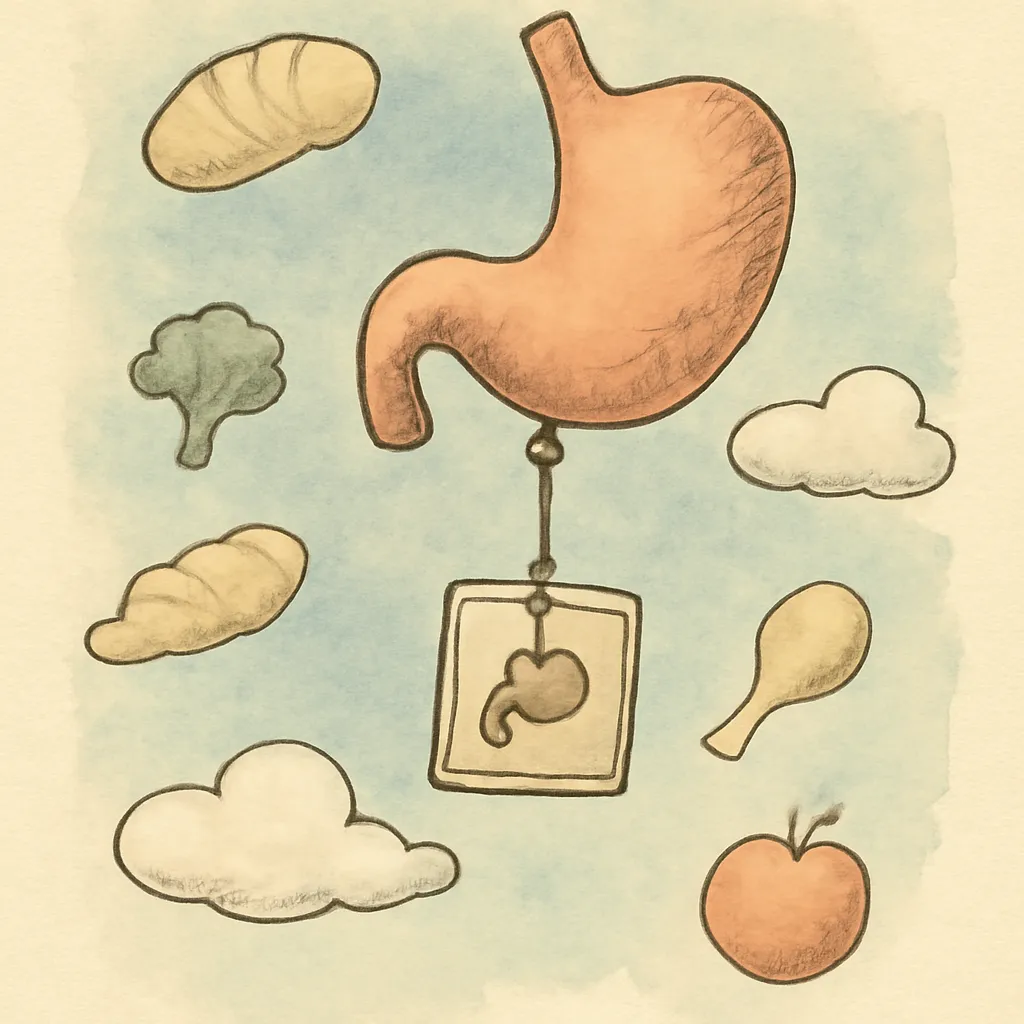
1.The Alimentary Canal: More Than a Tube
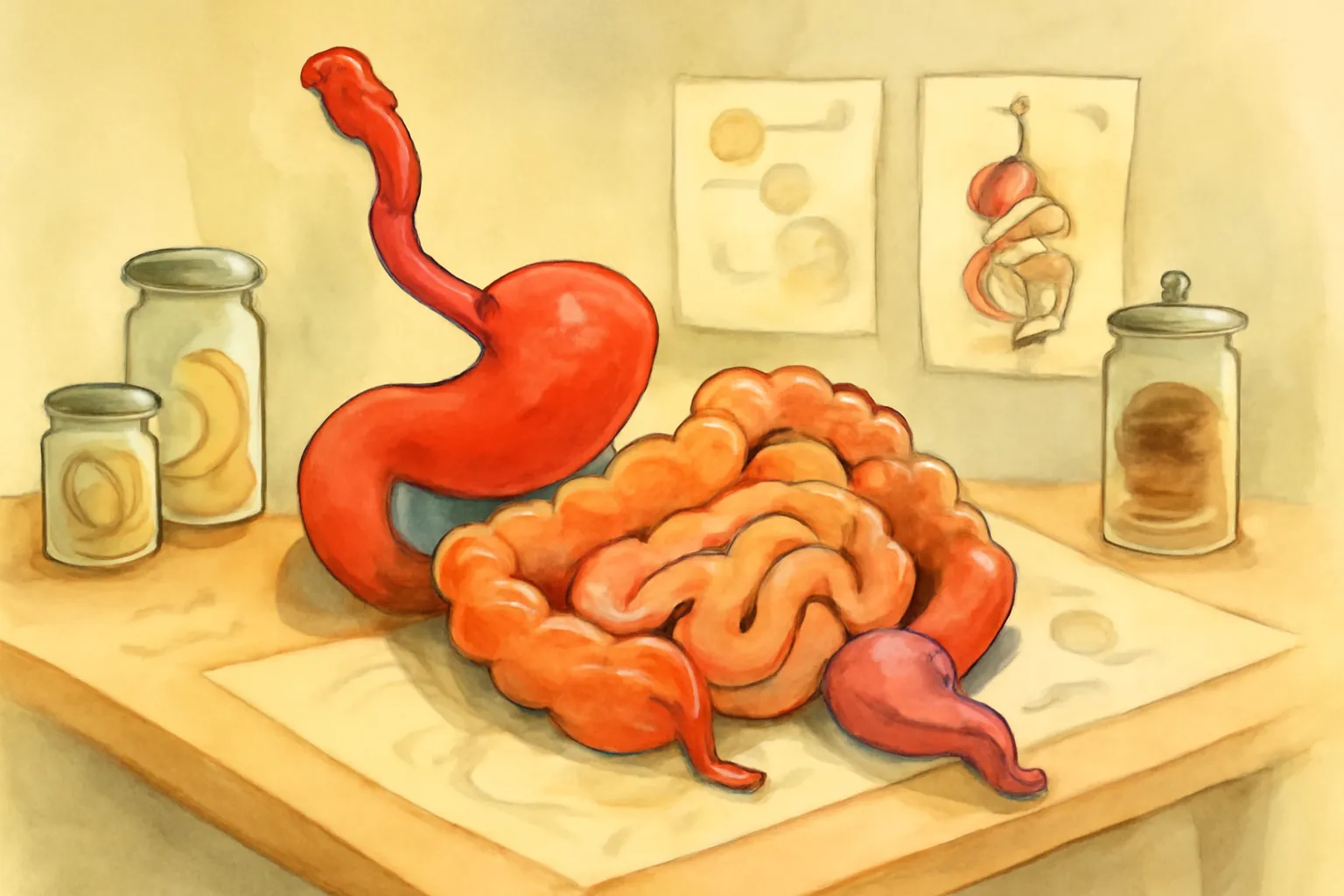
Roach reframes the digestive tract as a marvel of biological engineering, not just a simple food chute. She explores each segment—from mouth to anus—with a mix of reverence and irreverence, revealing the complex chemistry, mechanics, and evolutionary quirks that keep us alive. The book encourages readers to see their own bodies with new respect and curiosity.
2.Taboo Topics, Fearless Questions
Gulp thrives on the questions most people are too embarrassed to ask—about spit, smells, swallowing, and excretion. Roach’s willingness to tackle these 'icky' subjects head-on not only demystifies them but also exposes the arbitrary nature of social taboos. By making the unspeakable approachable, she fosters a more open, informed conversation about our bodies.
3.The Science of Taste and Smell
Roach investigates why taste and smell are so hard to describe, and why certain textures and flavors are universally appealing or repulsive. She visits flavor scientists and pet food testers, showing how our sensory experiences are shaped by biology, culture, and even marketing. The book highlights the surprising complexity behind what we eat and why we like it.
4.The Limits—and Oddities—of Digestion
From the myth of the exploding stomach to the reality of fatal constipation, Roach explores the extremes of what the digestive system can handle. She examines bizarre medical cases, animal adaptations, and even the digestive fates of historical figures. These stories illuminate both the resilience and the vulnerabilities of our inner workings.
5.Humor as a Tool for Science Communication
Roach’s trademark humor is not just entertainment—it’s a way to make science accessible and memorable. By blending jokes with genuine wonder, she lowers the barriers to learning about topics that might otherwise seem gross or intimidating. Her approach demonstrates that laughter and learning can go hand in hand, especially when it comes to the body’s messier mysteries.
6.The Human Side of Science
Throughout Gulp, Roach spotlights the quirky, passionate scientists who study digestion. She humanizes the research process, showing the creativity, persistence, and sometimes eccentricity required to answer unusual questions. This focus on personalities adds warmth and relatability, making the science feel alive and approachable.