1.Geography, Not Biology, Drives History
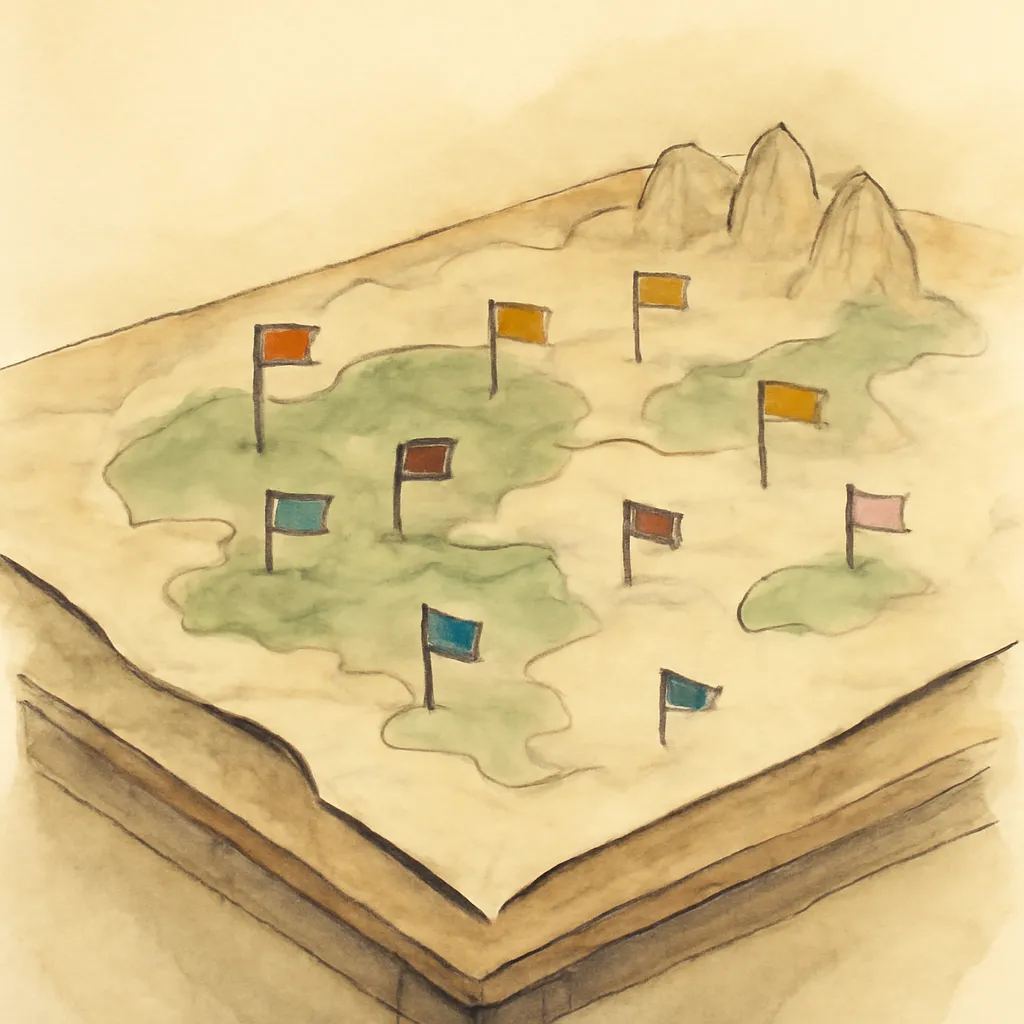
Diamond argues that the fate of societies was shaped less by innate differences among peoples and more by the environments in which they lived. Access to domesticable plants and animals, the orientation of continents, and the spread of agriculture all played decisive roles in determining which societies developed advanced technology and political organization. This geographical determinism challenges racist or Eurocentric explanations for global inequality.
2.The Power of Food Production
The transition from hunting and gathering to agriculture was a turning point. Societies that could domesticate productive crops and animals gained huge advantages: food surpluses supported population growth, enabled labor specialization, and led to complex social structures. Diamond details how Eurasia’s rich array of domesticable species gave its inhabitants a head start over other continents.
3.Germs as Agents of Conquest
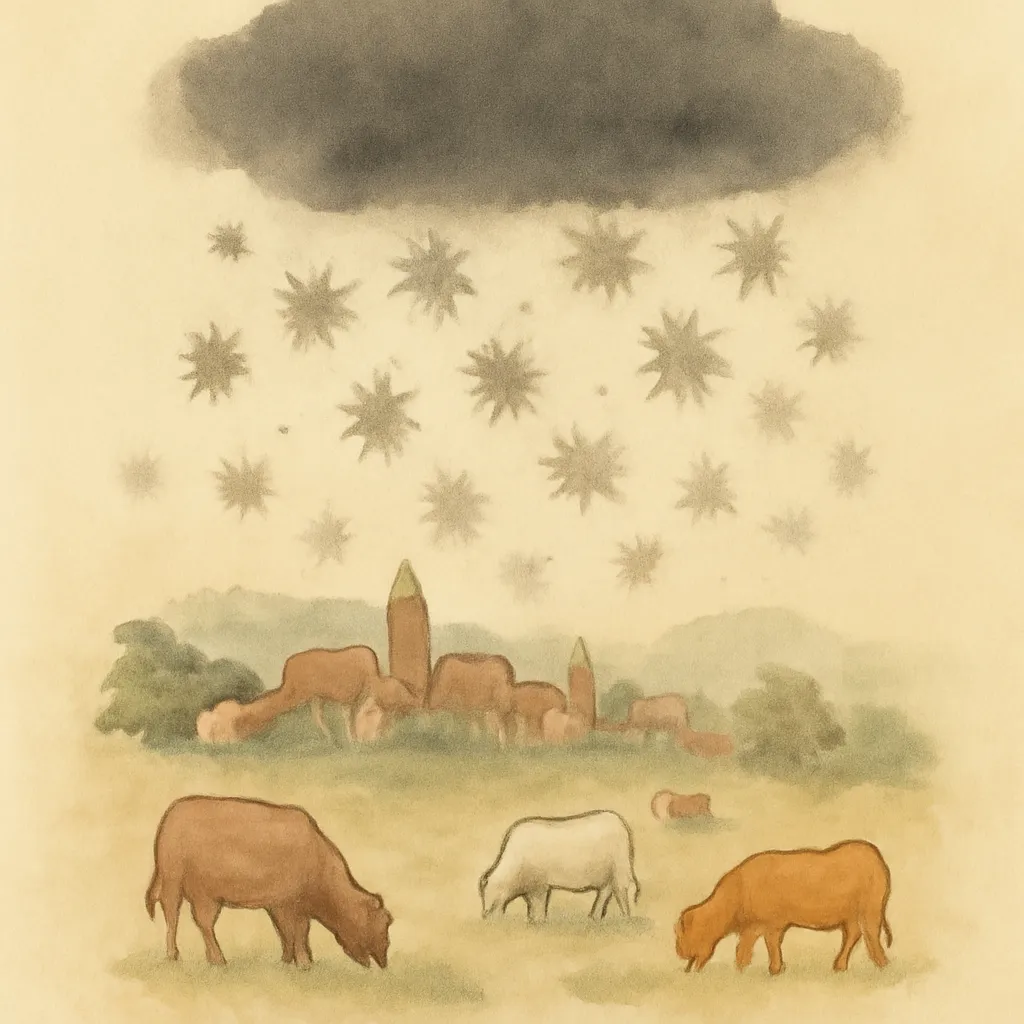
Epidemic diseases, which originated from close contact with domesticated animals, devastated populations that had no prior exposure. When Europeans arrived in the Americas and elsewhere, their germs—smallpox, measles, influenza—wiped out indigenous societies, often more effectively than guns or steel. This biological weaponry was an unintended but decisive factor in conquest.
4.Technology and Political Organization
Food surpluses and dense populations fostered technological innovation and complex political systems. Societies with centralized governments could organize armies, build infrastructure, and support inventors. Diamond shows how these factors, rather than any inherent superiority, enabled certain societies to develop guns, steel, and ships that projected power abroad.
5.The Axes of Continents
The orientation of continents (east-west vs. north-south) affected the diffusion of crops, animals, and ideas. Eurasia’s east-west axis allowed innovations to spread rapidly across similar climates, while Africa and the Americas’ north-south axes posed barriers of climate and geography that slowed progress. This subtle but powerful factor shaped the destinies of continents.
6.Rejecting Racial Explanations
Diamond explicitly rejects the idea that differences in intelligence or culture caused some societies to dominate others. He insists that environmental factors explain why technological and political complexity arose unevenly. This stance is both a scientific argument and a moral one, aiming to dispel myths that have justified inequality.