1.The Biodiversity Crisis
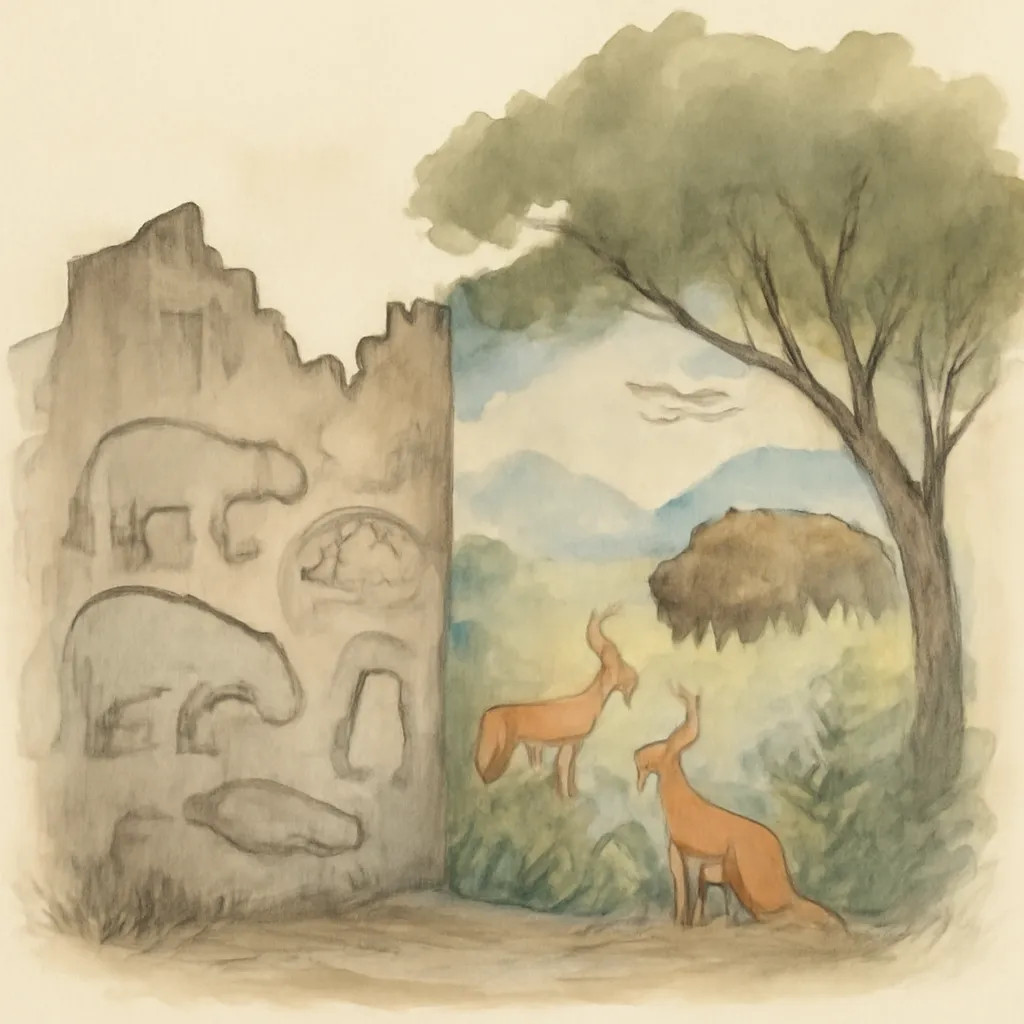
Wilson argues that Earth is in the midst of a sixth mass extinction, driven primarily by human activity. Species are vanishing at rates unseen since the age of the dinosaurs, and this loss is not only a tragedy for nature but a direct threat to human well-being. The book details how habitat destruction, pollution, climate change, and invasive species have combined to imperil the complex web of life on which we depend.
2.The Half-Earth Proposal
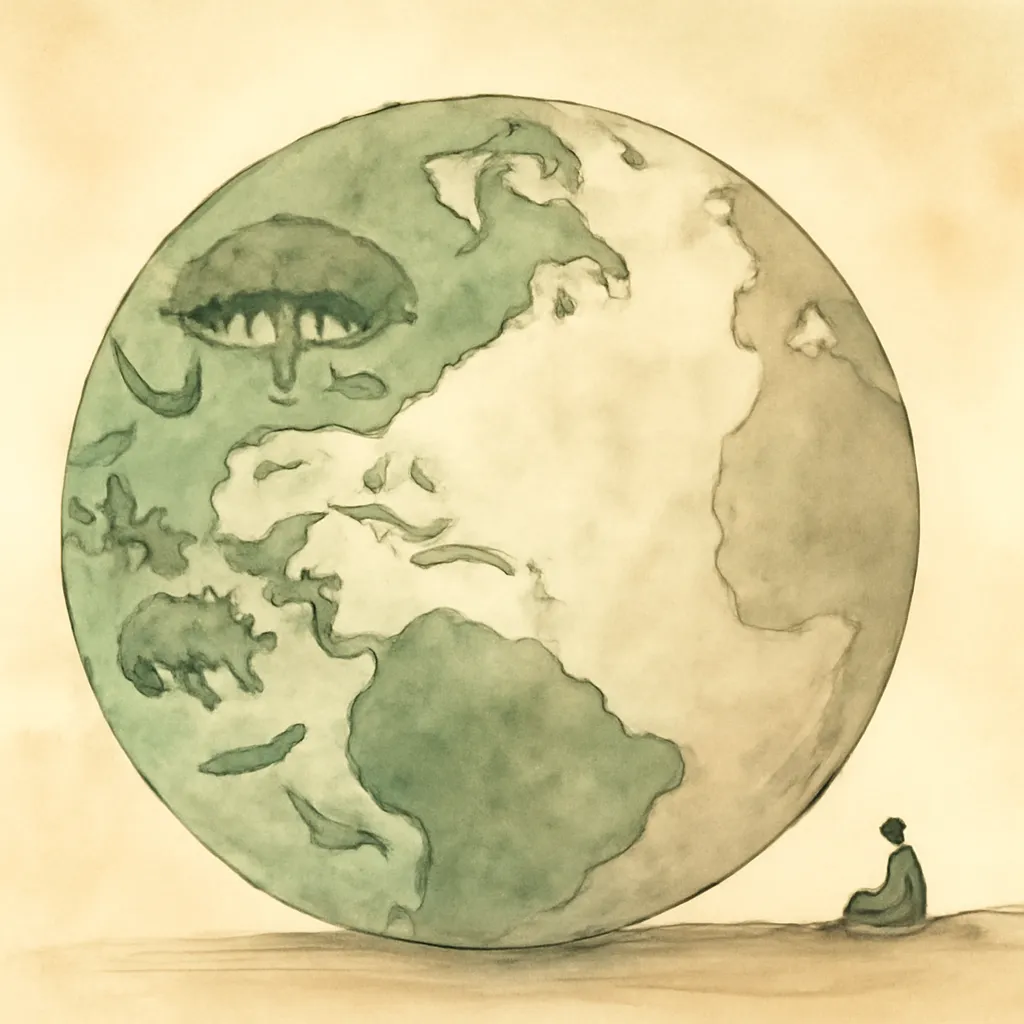
The book’s central thesis is radical yet simple: to prevent catastrophic biodiversity loss, we must set aside half of the planet’s surface as protected natural reserves. Wilson contends that only by dedicating such a large portion of Earth to undisturbed nature can we maintain the evolutionary processes and ecological networks necessary for life to thrive. This is not just a moral imperative, but a practical one if humanity is to survive and flourish.
3.Why Biodiversity Matters
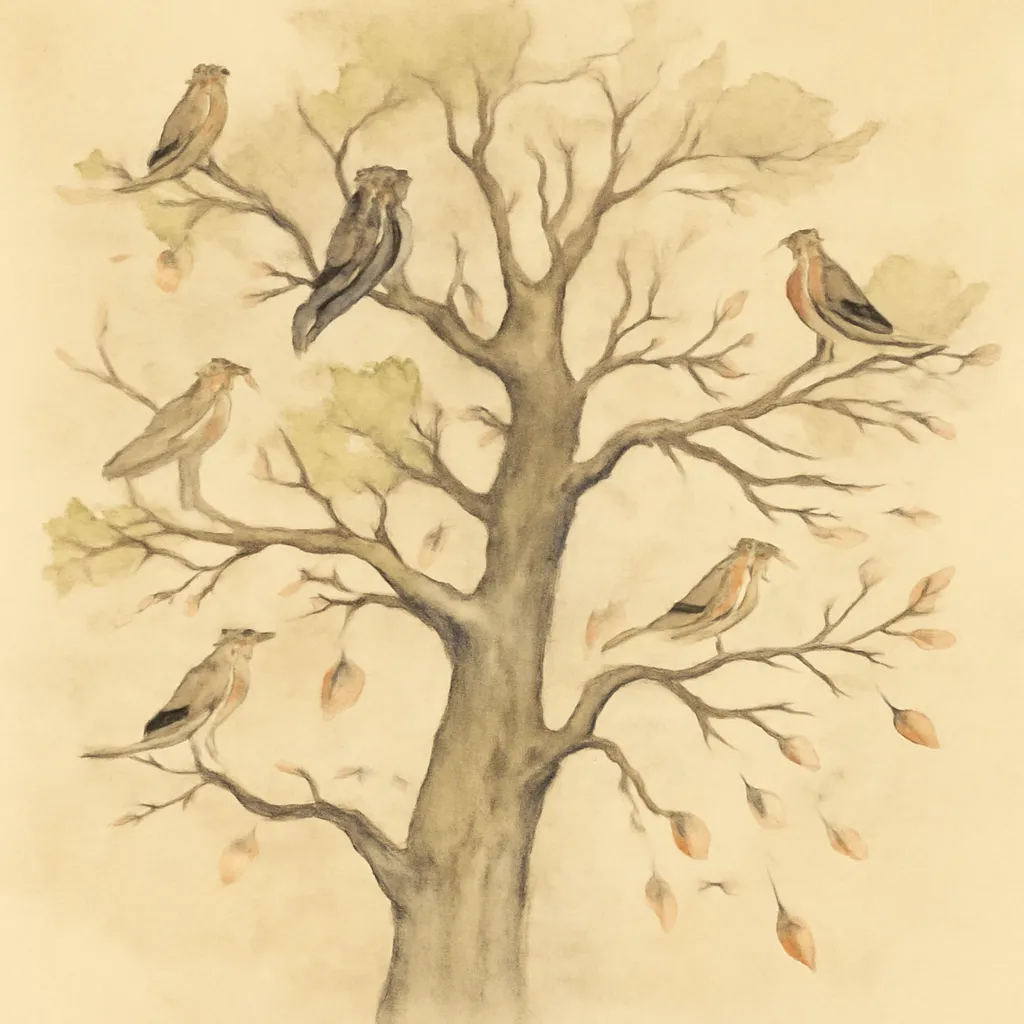
Wilson eloquently explains why the diversity of life is essential—not just for its intrinsic beauty, but for the stability of ecosystems, the provision of resources, and the resilience of the planet. He warns that the loss of species is like pruning branches from the tree of life: we may not know which loss will cause the whole system to collapse. Biodiversity is, in his view, the foundation of our own future.
4.Obstacles and Opportunities
Wilson acknowledges the immense challenges to achieving Half-Earth, from political resistance to economic interests. Yet he also highlights reasons for hope: advances in conservation science, the growing global awareness of environmental issues, and the capacity for human societies to change course. He points to successful protected areas and restoration projects as models for what is possible.
5.A Call to Moral Responsibility
Beyond the science, Half-Earth is a philosophical and ethical appeal. Wilson urges readers to recognize our unique position as stewards of the planet. He frames the protection of life’s diversity as the great moral quest of our time, one that will define our legacy as a species. This sense of responsibility is woven throughout the book, challenging readers to imagine a future where humans live in harmony with the rest of life.
6.The Role of Science and Technology
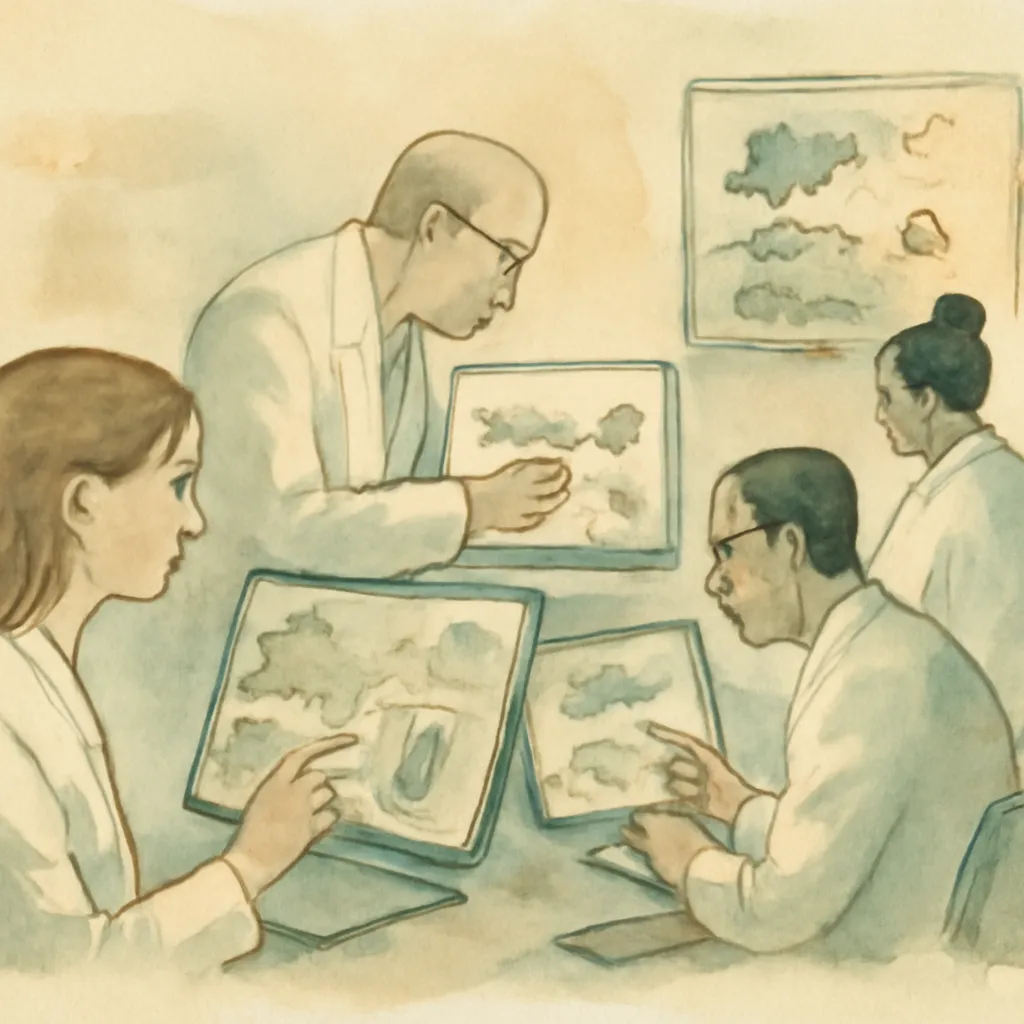
Wilson emphasizes the importance of scientific knowledge in identifying key areas for conservation and understanding the complexity of ecosystems. He advocates for a global effort to map and study the planet’s species, using technology to guide effective action. Science, in his view, is both a tool for diagnosis and a guide for healing the biosphere.