1.Transition from Childhood to Adolescence
This book marks a significant shift in tone and maturity compared to earlier entries in the series. Harry and his friends are no longer children; they face complex emotions, romantic tensions, and the realization that the world is far from safe or fair. The Triwizard Tournament acts as a metaphor for adolescence itself—full of unexpected challenges, public scrutiny, and the need to rely on both friends and personal resourcefulness. Rowling uses these trials to explore how young people grapple with identity, responsibility, and the first real encounters with mortality.
2.The Corruptibility of Institutions
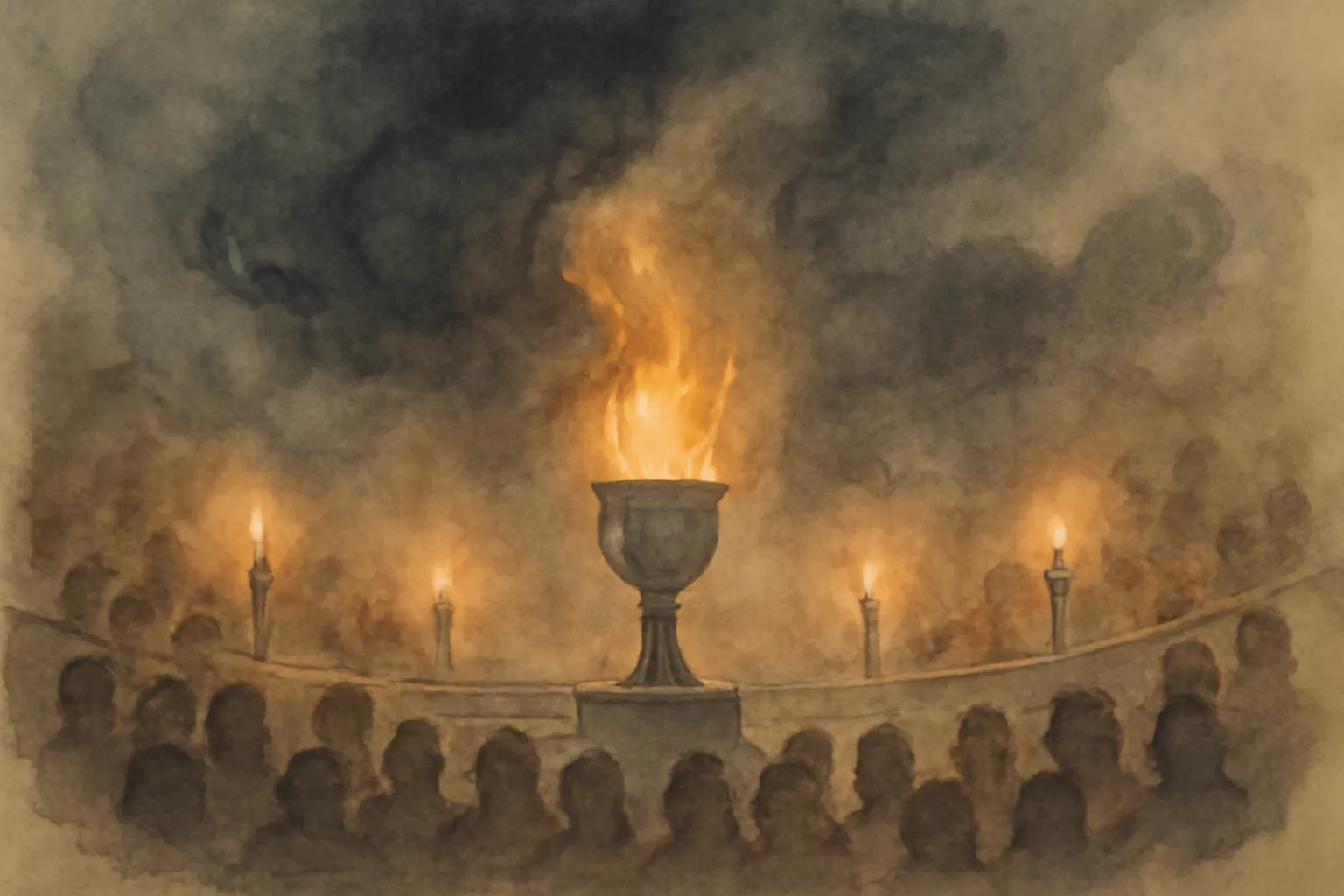
Through the chaos surrounding the Triwizard Tournament and the failures of the adult authorities at Hogwarts and the Ministry of Magic, the novel critiques the idea that established systems are inherently trustworthy. The Goblet of Fire, supposedly an impartial judge, is manipulated; teachers and officials are often oblivious or self-interested. This theme encourages readers to question authority and recognize that even magical institutions can be flawed or corruptible.
3.Friendship and Loyalty Under Strain
The pressures of the tournament and the intrusion of fame create rifts between Harry, Ron, and Hermione. Jealousy, misunderstanding, and the stress of competition threaten to break their bond. Rowling uses these tensions to show that true friendship requires forgiveness, empathy, and honest communication, especially when tested by external forces and personal insecurities.
4.The Return of Evil and the Loss of Innocence
The book’s climax, which sees the return of Voldemort in a terrifyingly corporeal form, represents a shattering of the safety that has previously surrounded Harry and his world. The death of a peer and the exposure to true evil mark a loss of innocence—not just for Harry, but for the wizarding community as a whole. Rowling signals that the coming conflict will demand new levels of courage and sacrifice.
5.The Nature of Courage
Courage in Goblet of Fire is not just about facing dragons or underwater perils; it’s about standing up for what’s right, even when it’s unpopular or dangerous. Harry’s choices—whether helping a rival or refusing to abandon his principles—highlight the difference between bravado and true bravery. Rowling suggests that moral courage is as essential as physical daring.
6.Prejudice and the Seeds of Division
The novel delves deeper into the prejudices that fracture the wizarding world, from the treatment of house-elves to the rise of Voldemort’s followers. Through Hermione’s activism and the depiction of Death Eaters, Rowling explores how bigotry and apathy enable evil to flourish. These themes resonate as warnings about the dangers of complacency and the importance of standing up for the marginalized.