1.The Power and Limits of Memory
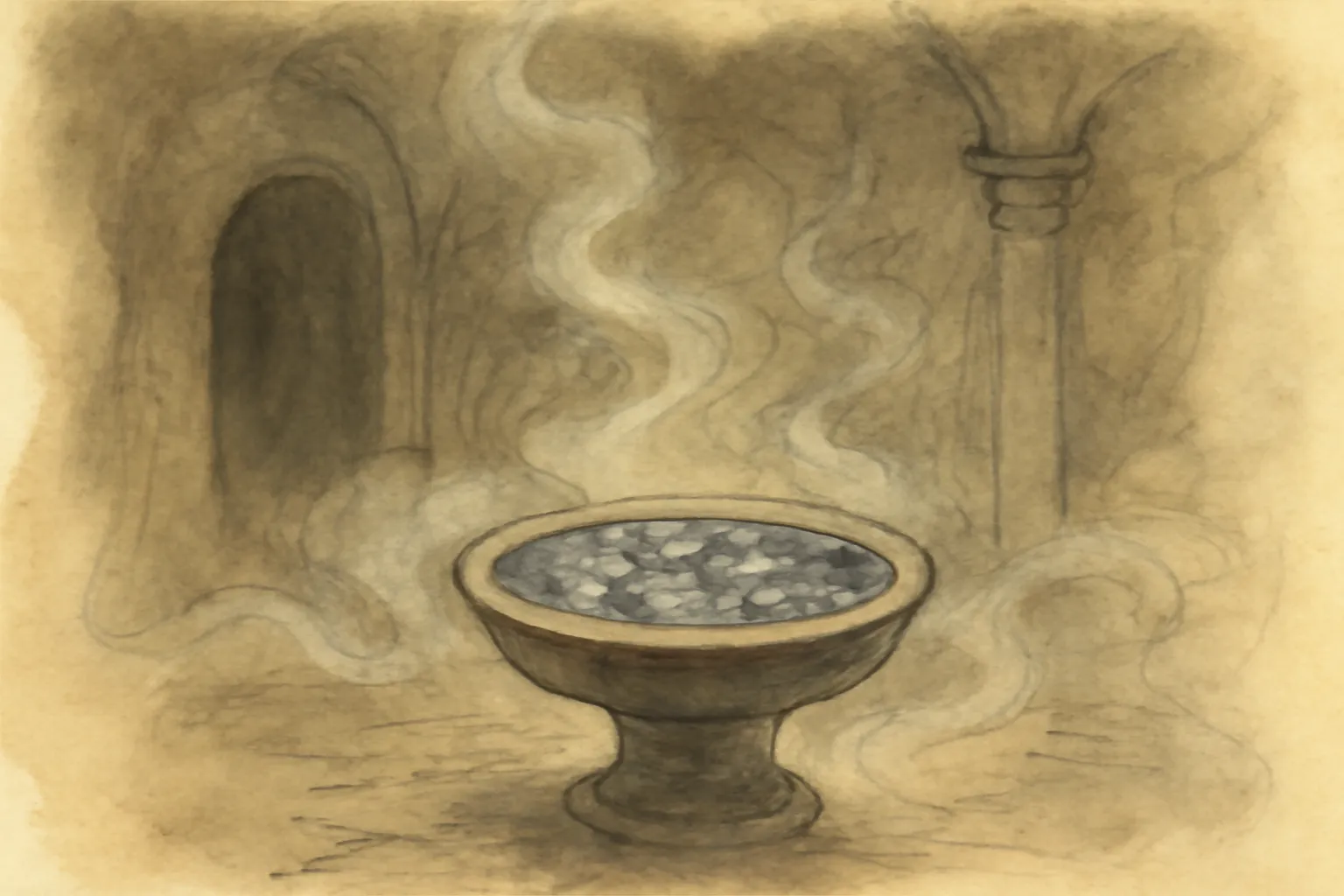
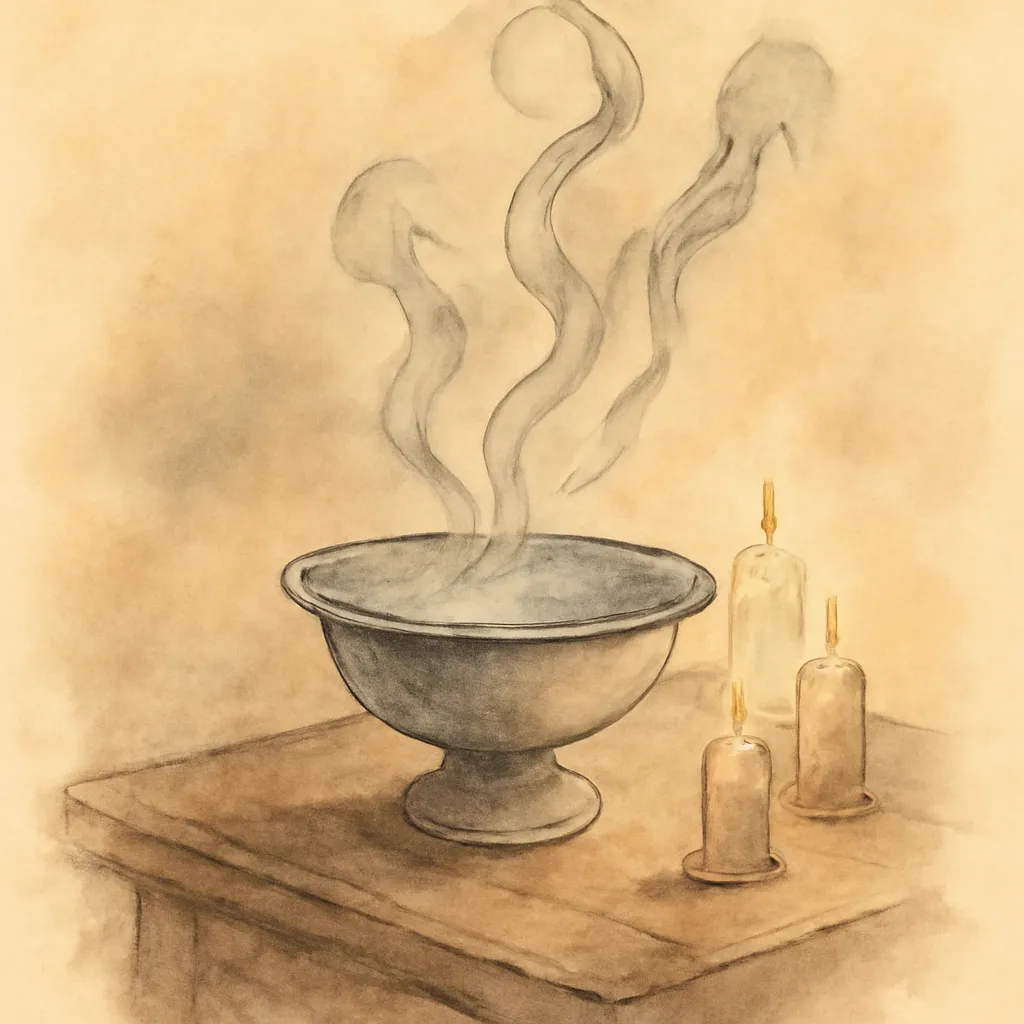
The novel centers around Dumbledore and Harry’s journey through Voldemort’s past, using the magical Pensieve to explore memories. This device highlights how understanding someone’s history is key to confronting evil, but also how memory can be selective, unreliable, or even deliberately altered. The book asks readers to consider the importance of truth and the dangers of ignoring or distorting the past.
2.Coming of Age in a World at War
As Hogwarts becomes less of a sanctuary, Harry and his friends are forced to grow up quickly. The story explores adolescent love, jealousy, and friendship, set against the backdrop of a rising threat. The characters’ personal struggles mirror the larger conflict, showing how ordinary emotions and relationships are shaped—and sometimes warped—by extraordinary circumstances.
3.Ambiguity of Good and Evil
Rowling complicates the moral landscape by revealing unexpected facets of familiar characters. Severus Snape, in particular, is portrayed with new depth, and Dumbledore himself is shown to be fallible. The book challenges the simplistic division between heroes and villains, suggesting that choices, not birth or labels, define one’s character.
4.The Cost of Leadership and Sacrifice
Dumbledore’s actions and ultimate fate underscore the burdens leaders carry and the sacrifices required in the fight against evil. The narrative suggests that true leadership involves vulnerability, trust in others, and sometimes, the willingness to accept personal loss for the greater good.
5.Love as a Source of Strength and Vulnerability
Love—romantic, familial, and platonic—emerges as both a shield and a weakness. Harry’s feelings for Ginny, Ron and Hermione’s complicated relationship, and the lingering impact of Lily Potter’s sacrifice all illustrate how love motivates characters, but also exposes them to pain. Rowling suggests that love is what sets the protagonists apart from Voldemort, whose inability to love is his greatest flaw.
6.The Corrosive Nature of Secrets
Secrets and hidden identities drive the plot, from the mystery of the Half-Blood Prince to Draco Malfoy’s covert mission. The withholding of information breeds mistrust and danger, showing how secrecy can be both protective and destructive. The novel invites readers to consider when secrets are justified and when openness is necessary for healing.