1.The Cost of Truth in a World of Denial
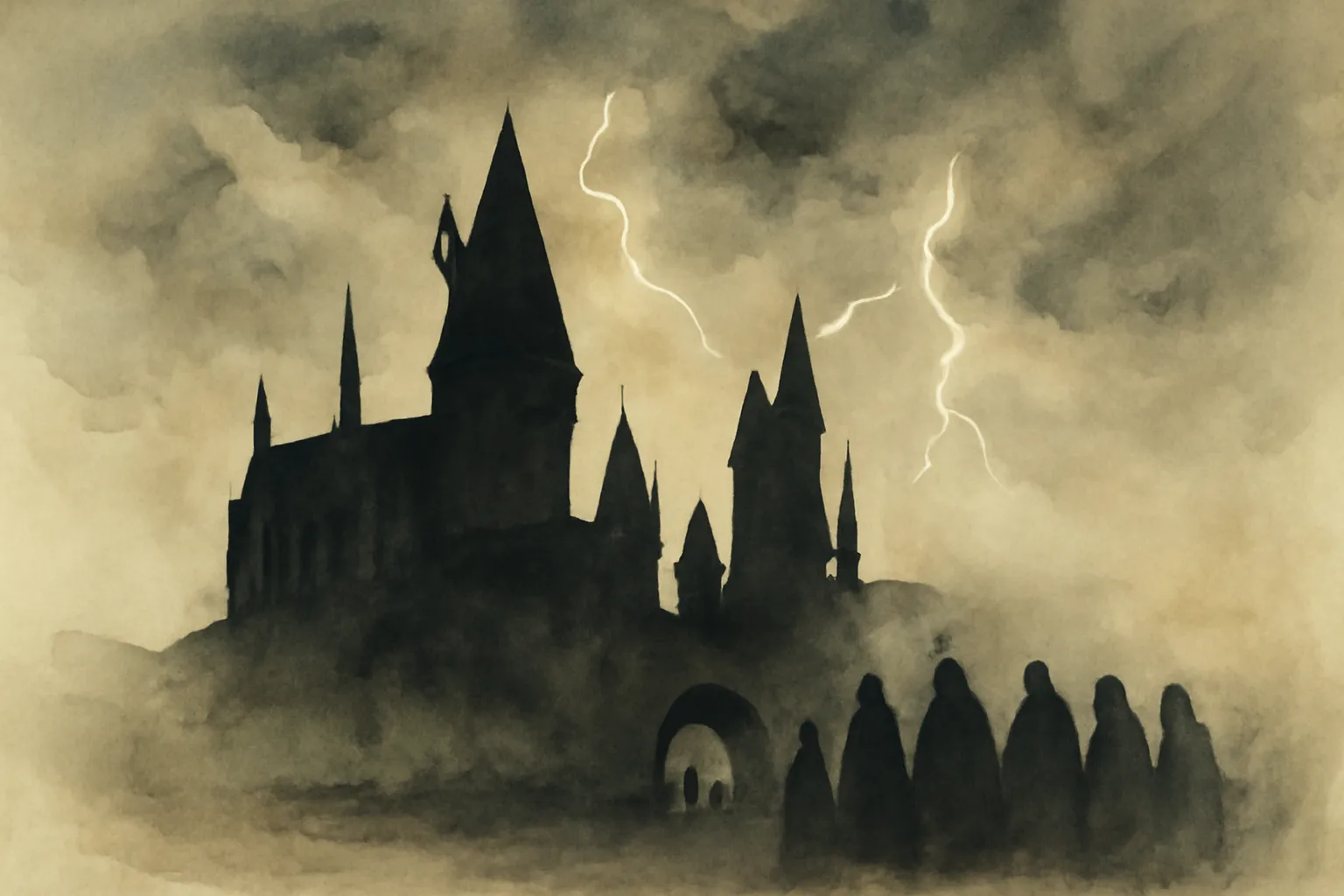
A central conflict in this book is not just between Harry and Voldemort, but between those who accept uncomfortable truths and those who refuse to see them. The Ministry of Magic’s refusal to acknowledge Voldemort’s return creates a climate of fear, misinformation, and repression. Harry and his allies are vilified for speaking out, highlighting the personal and societal costs of standing up to denial and propaganda. The book thus explores how institutions can perpetuate falsehoods to maintain control, and the courage it takes to resist.
2.Authority and Rebellion
Order of the Phoenix introduces Dolores Umbridge, whose bureaucratic cruelty and misuse of power make her one of the series’ most chilling antagonists. Her regime at Hogwarts is a study in authoritarianism, censorship, and the dangers of blind obedience. In response, Harry and his friends form Dumbledore’s Army, a secret student group dedicated to learning real defense against the dark arts. The narrative examines when rebellion is justified, and how ordinary people can organize to resist unjust authority.
3.The Weight of Trauma and Anger
Harry’s emotional journey in this book is raw and turbulent. He struggles with anger, isolation, and the psychological scars of past trauma. Rowling portrays his inner turmoil with honesty, showing how trauma can manifest as rage, alienation, and self-doubt. This makes Harry more relatable and human, while also demonstrating the importance of support, empathy, and communication in healing.
4.The Power of Community and Friendship
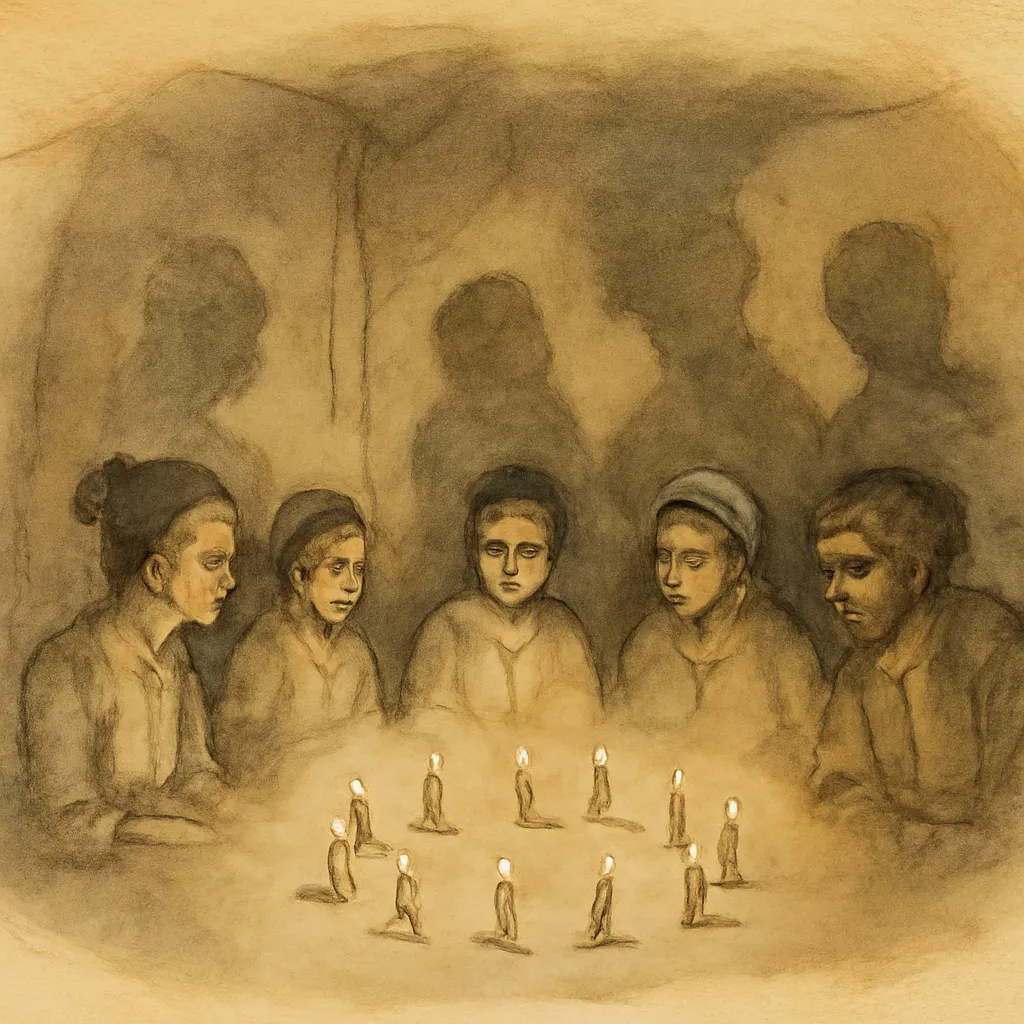
Despite the darkness, the book underscores the importance of solidarity. Dumbledore’s Army, the Order, and Harry’s friendships provide strength and hope. These communities are not perfect, but their willingness to stand together in the face of adversity is what enables them to resist evil. The story suggests that collective action and loyalty are vital in confronting both personal and societal challenges.
5.The Complexity of Good and Evil
Order of the Phoenix complicates the series’ moral landscape. Characters like Snape and Dumbledore reveal hidden depths and flaws, while the distinction between good and evil becomes less clear-cut. The book asks readers to consider the ambiguities of motivation, the limits of forgiveness, and the idea that even heroes can make mistakes. This complexity enriches the narrative, making it more mature and thought-provoking.
6.Coming of Age in a Hostile World
This installment marks Harry’s transition from childhood to adolescence. He and his friends face adult responsibilities, moral dilemmas, and the realization that authority figures are fallible. The book captures the confusion and intensity of growing up, especially when the world feels unsafe or unjust. It’s a powerful meditation on the loss of innocence and the forging of identity under pressure.