1.The Power of Belonging
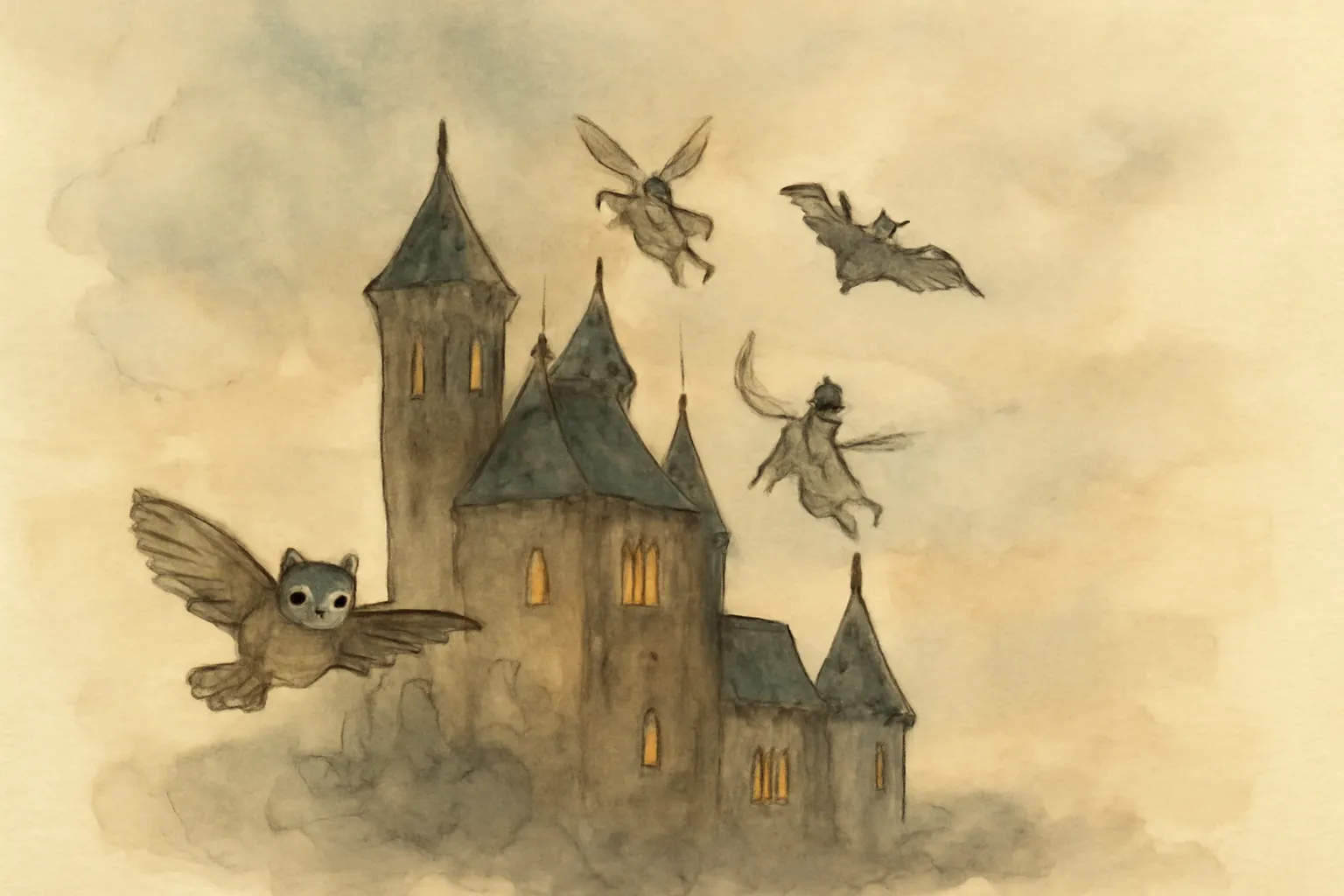
Harry’s journey begins in a world where he feels unwanted and invisible, living under the stairs at the Dursleys’. His acceptance to Hogwarts is not just an invitation to learn magic, but also the first time he finds a place where he truly belongs. The book explores how feeling seen and valued can change a person’s sense of self-worth, and how communities—whether magical or mundane—shape our identities.
2.Friendship and Loyalty
The trio of Harry, Ron, and Hermione is at the heart of the story. Their friendship is tested by challenges and dangers, but their loyalty to each other helps them overcome obstacles. Rowling shows that true friendship involves trust, sacrifice, and sometimes standing up for what’s right, even when it’s difficult. The bonds they form are as crucial as any spell or magical artifact.
3.Courage in the Face of Fear
Throughout the book, Harry and his friends face daunting situations, from confronting trolls to unraveling the mystery of the Philosopher’s Stone. The narrative emphasizes that courage isn’t the absence of fear, but the willingness to act despite it. Characters like Neville Longbottom also highlight that bravery can take many forms, not just grand gestures.
4.The Allure and Danger of Power
The Philosopher’s Stone itself is a symbol of ultimate power—immortality and endless wealth. The book warns of the dangers of unchecked ambition, as seen in Voldemort’s quest for the Stone. Dumbledore’s wisdom reminds readers that the desire for power can corrupt, and that true strength often lies in humility and self-restraint.
5.The Importance of Choice
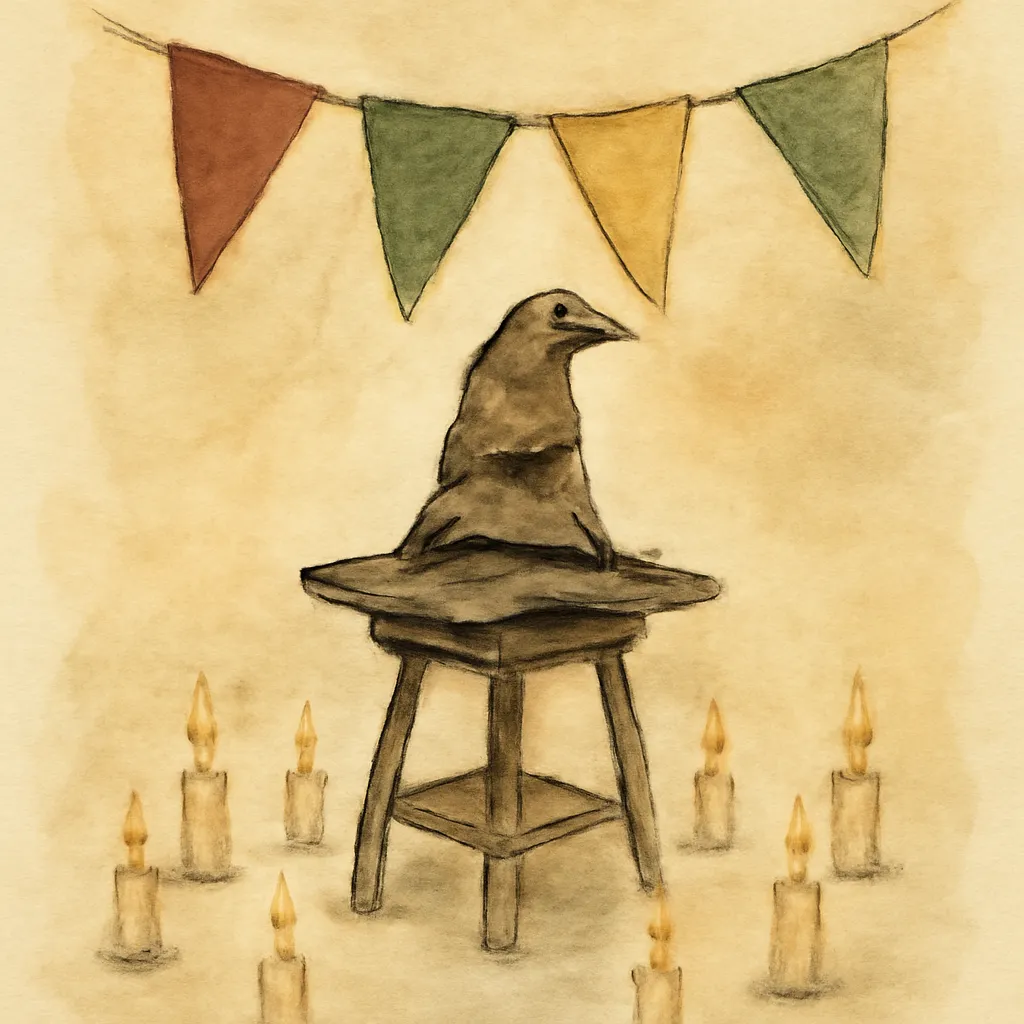
From the Sorting Hat’s deliberation to Harry’s decisions throughout the story, the book underscores that our choices define us more than our abilities or backgrounds. Rowling suggests that destiny is shaped by the decisions we make, big and small, and that everyone has the power to choose their path.
6.Prejudice and Empathy
The wizarding world is not free from prejudice, as seen in attitudes toward Muggle-borns and magical creatures. Through characters like Hermione and Hagrid, the book encourages empathy and challenges readers to look beyond stereotypes and treat others with kindness, regardless of their origins.