1.The Scale of the Climate Challenge
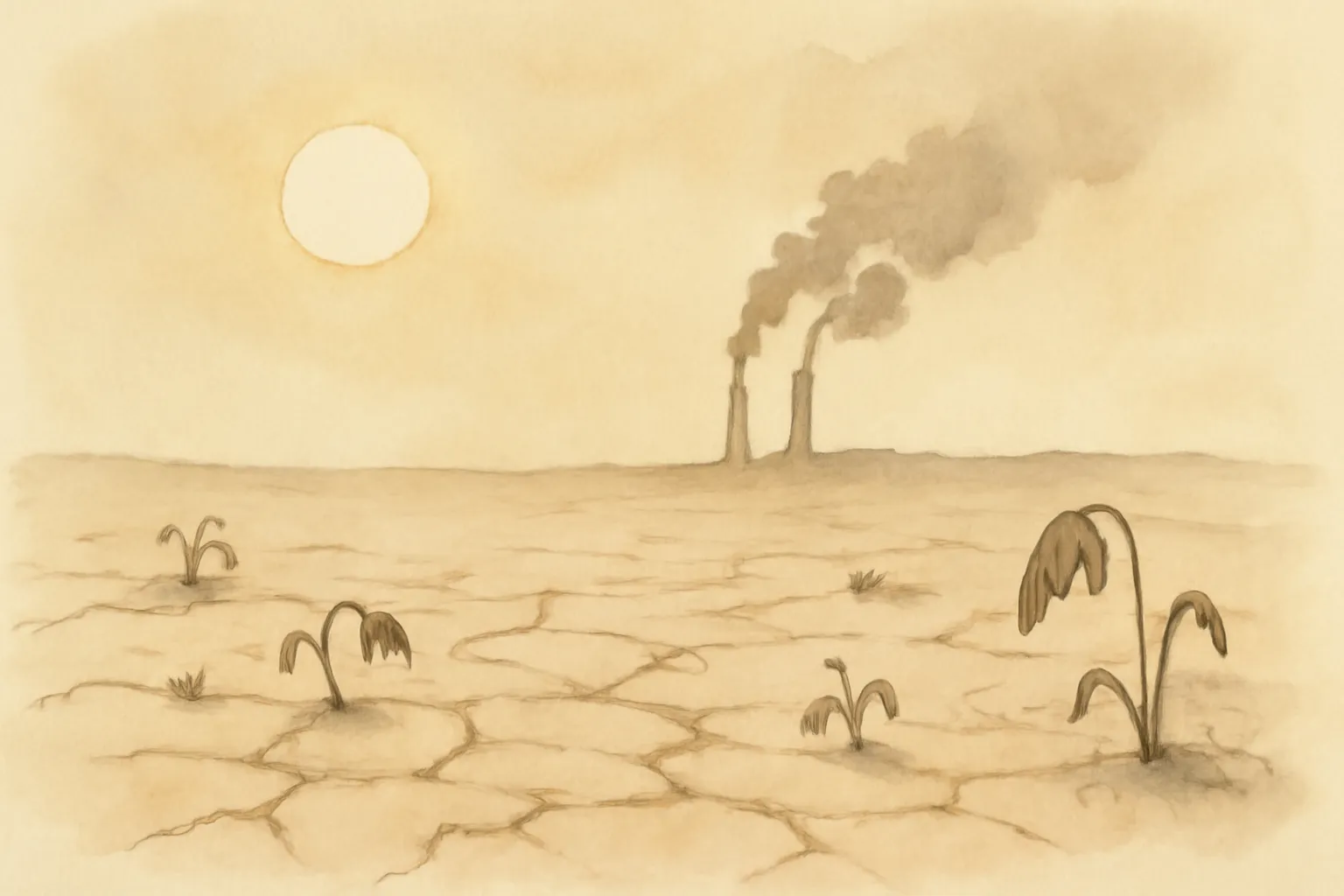
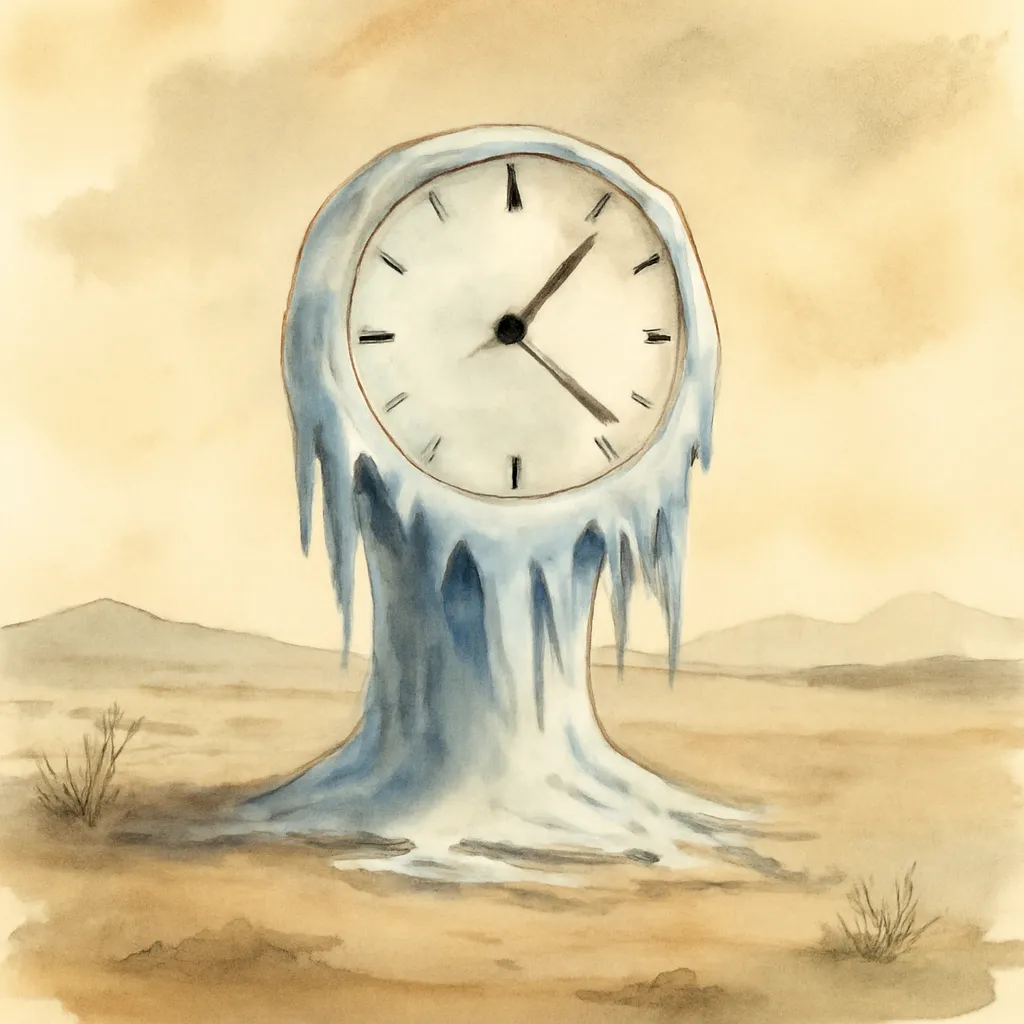
Monbiot argues that most public discourse vastly underestimates the severity of the climate crisis. He insists that to prevent catastrophic warming, developed nations must cut carbon emissions by at least 90% by 2030. This is not a marginal adjustment but a profound transformation of society’s energy systems, infrastructure, and daily life. Monbiot meticulously lays out the scientific consensus and exposes how incrementalism and political timidity have failed to meet the urgency of the problem.
2.Debunking Green Myths and False Solutions
A major thrust of 'Heat' is Monbiot’s critique of popular but ineffective solutions, such as voluntary carbon offsets, weak emissions trading schemes, and superficial corporate 'greening.' He exposes how these measures often serve as distractions or excuses for inaction, allowing business-as-usual to continue under the guise of environmental responsibility. Monbiot’s analysis is rooted in data and a clear-eyed assessment of what actually reduces emissions versus what merely looks good on paper.
3.What Real Decarbonization Requires
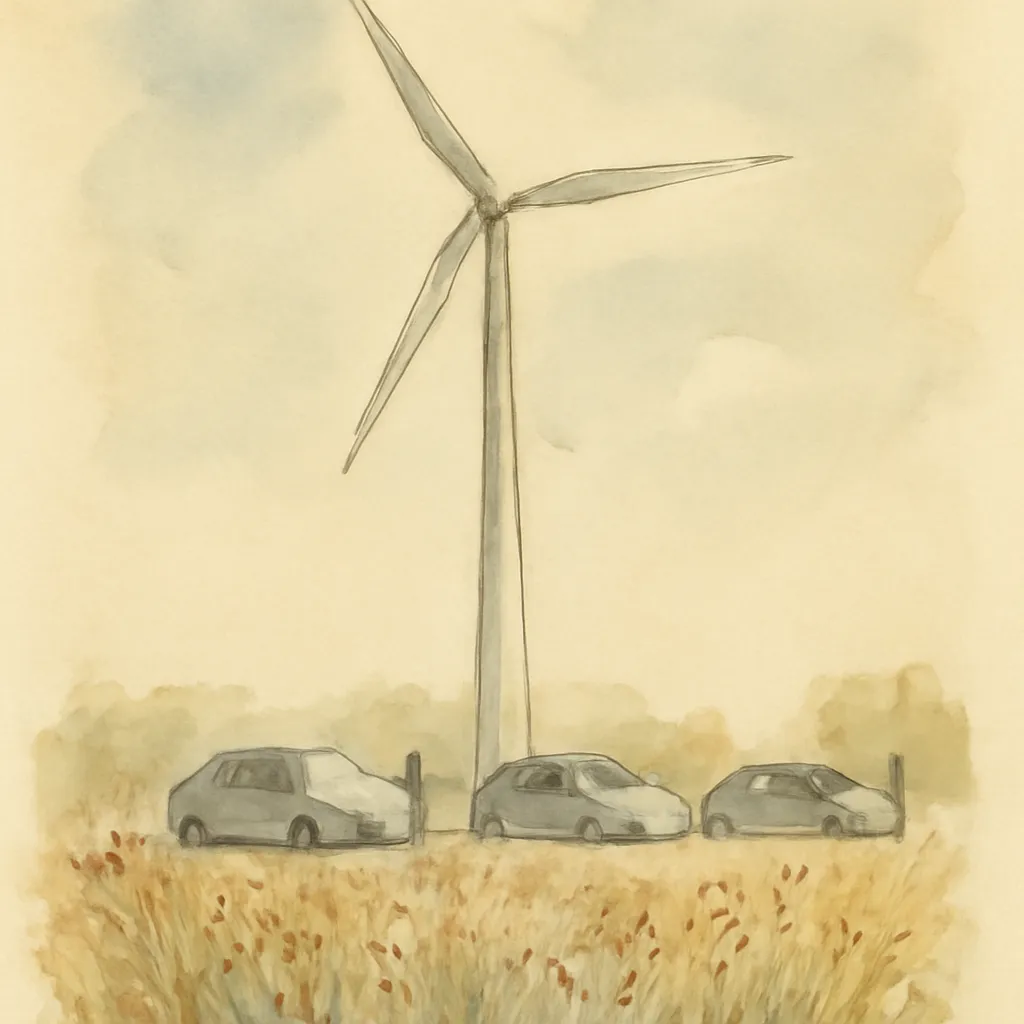
Monbiot goes sector by sector—energy, transport, housing, food—to show what genuine decarbonization would entail. He is frank about the technical and political challenges, but also about the possibilities: a massive shift to renewable energy, electrification of transport, drastic improvements in building efficiency, and changes in land use. He emphasizes that these changes are feasible, but only with strong government intervention, public investment, and a willingness to challenge vested interests.
4.The Limits of Individual Action
While Monbiot does not dismiss personal responsibility, he is adamant that individual lifestyle changes are insufficient to meet the scale of the crisis. Instead, he calls for collective political action and systemic change. This is a direct challenge to the narrative that climate change can be solved through consumer choices alone, redirecting attention to the need for robust policy and societal transformation.
5.Facing Inconvenient Truths
Monbiot refuses to sugarcoat the sacrifices and adjustments required to avert climate breakdown. He confronts readers with uncomfortable realities—for example, the need to drastically reduce flying and rethink economic growth. Yet he also argues that honesty about these challenges is essential for building the political will and public support necessary for meaningful action.
6.Hope Through Action, Not Illusion
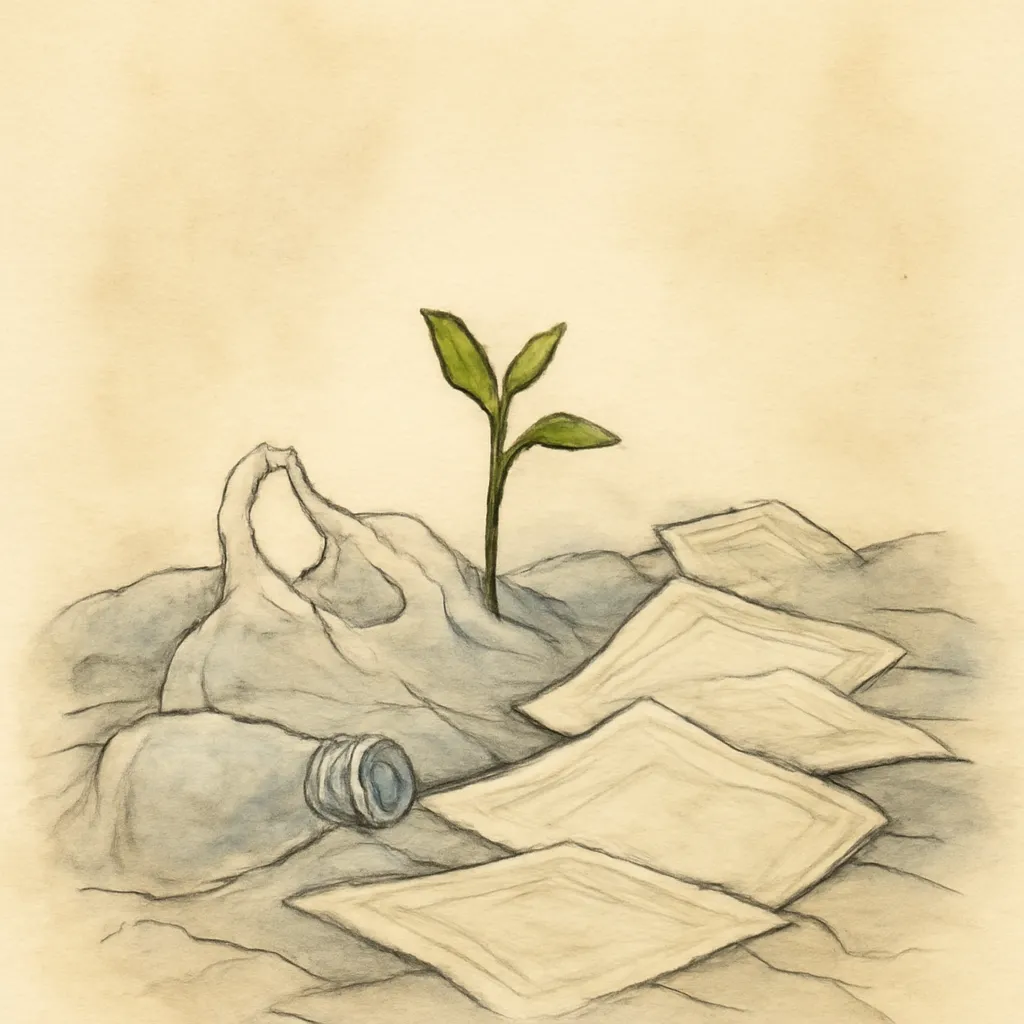
Despite his uncompromising tone, Monbiot’s message is ultimately one of hope. He believes that societies can adapt and thrive in a low-carbon future, but only if they face facts and act decisively. The book is a rallying cry for citizens to demand more from leaders and to recognize their own power as agents of change.