1.Origins and Identity
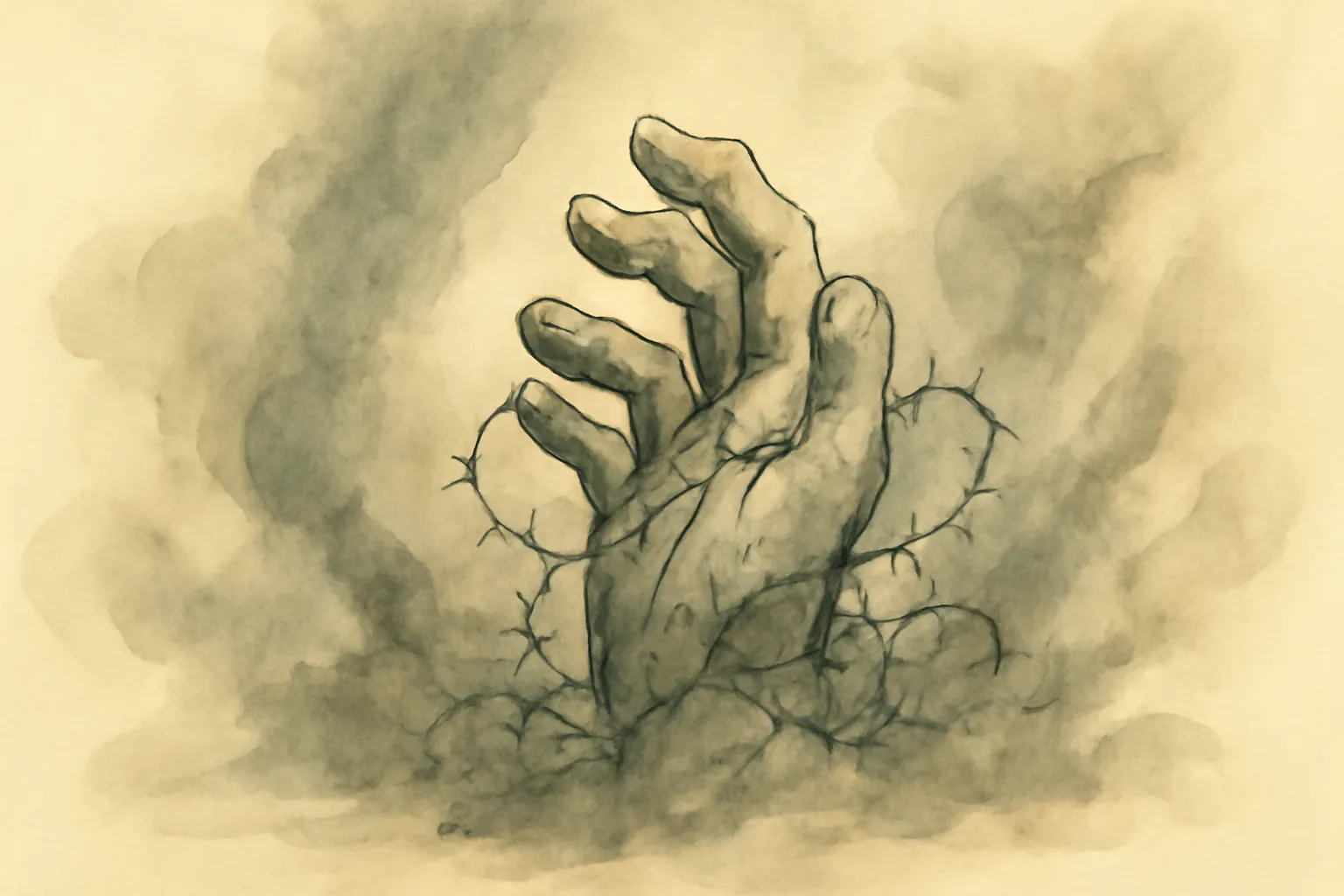
At its core, Seed of Destruction is a story about Hellboy’s search for self-understanding. Summoned to Earth by Nazi occultists as a child, Hellboy is raised by Professor Bruttenholm and the Bureau for Paranormal Research and Defense (B.P.R.D.), but the question of his true purpose haunts him. The narrative explores what it means to be shaped by one’s origins versus one’s choices, with Hellboy resisting the dark destiny others have planned for him. This tension between nature and nurture is central to the book’s emotional resonance.
2.The Occult and World War II
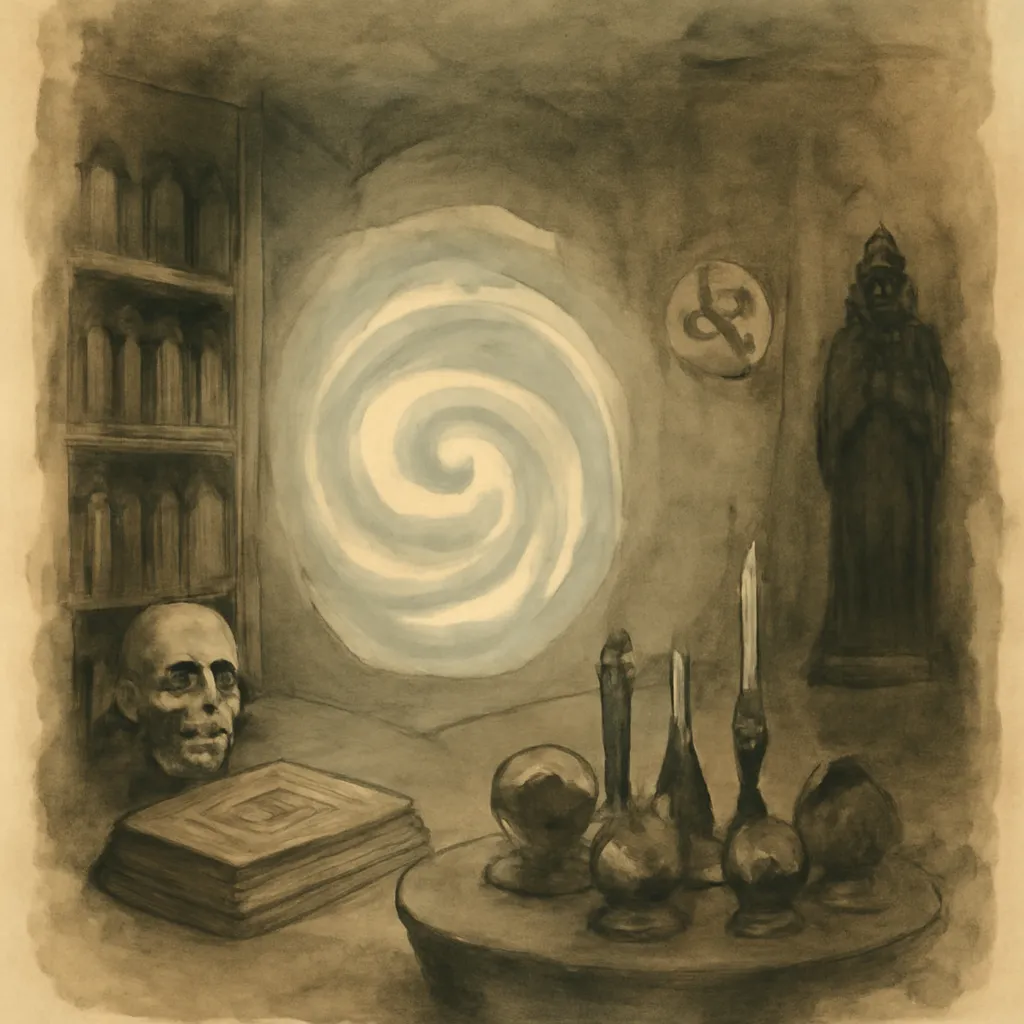
Mignola weaves real-world history with supernatural horror, using the Nazi obsession with the occult as a springboard for the story. The villains’ attempt to harness otherworldly powers for world domination grounds the narrative in a familiar yet fantastical context. This blending of fact and fiction adds depth to the story, suggesting that the horrors of war and the supernatural are not so different in their capacity for destruction.
3.Fate Versus Free Will
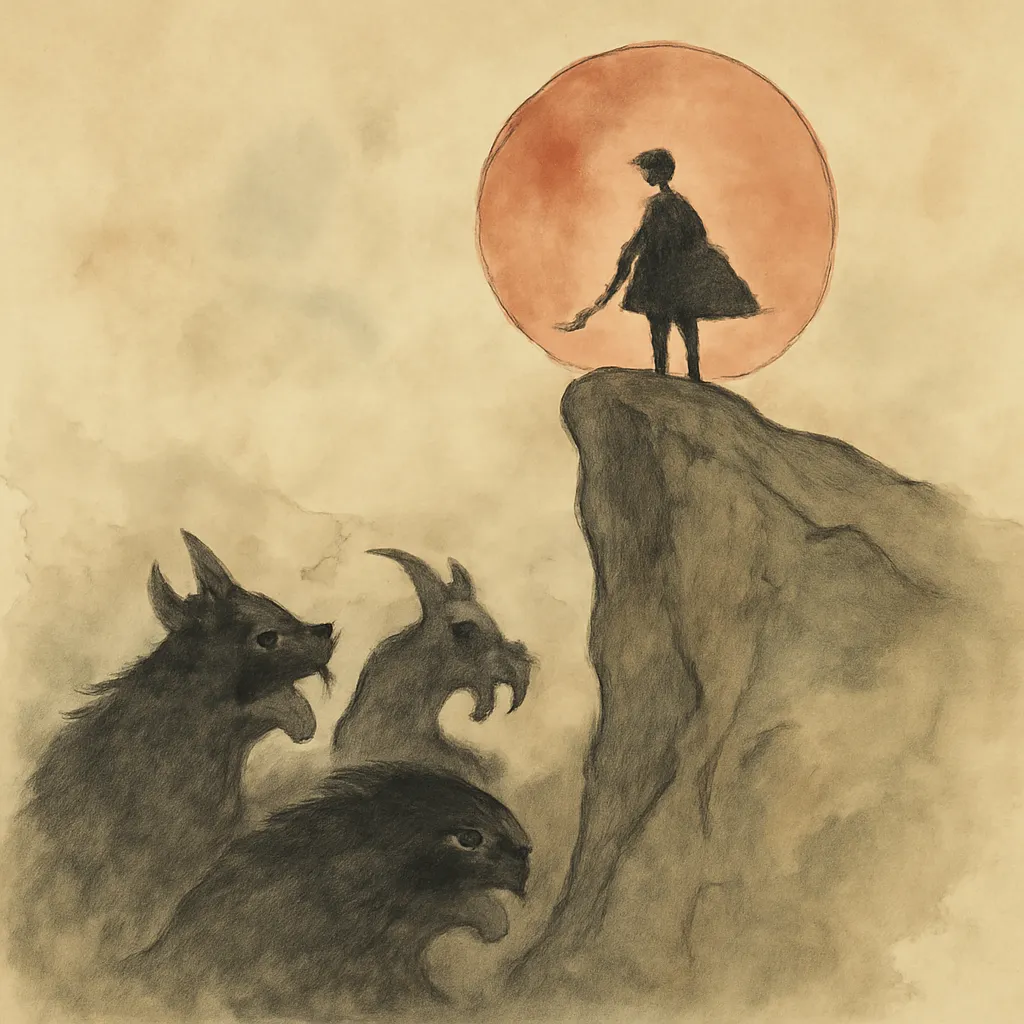
Hellboy’s struggle is not just against monsters, but against the prophecy that he will bring about the world’s end. The book raises questions about destiny: Is Hellboy doomed to fulfill the role others have written for him, or can he forge his own path? This theme gives the story philosophical weight and makes Hellboy’s choices matter on a cosmic scale.
4.Visual Storytelling and Atmosphere
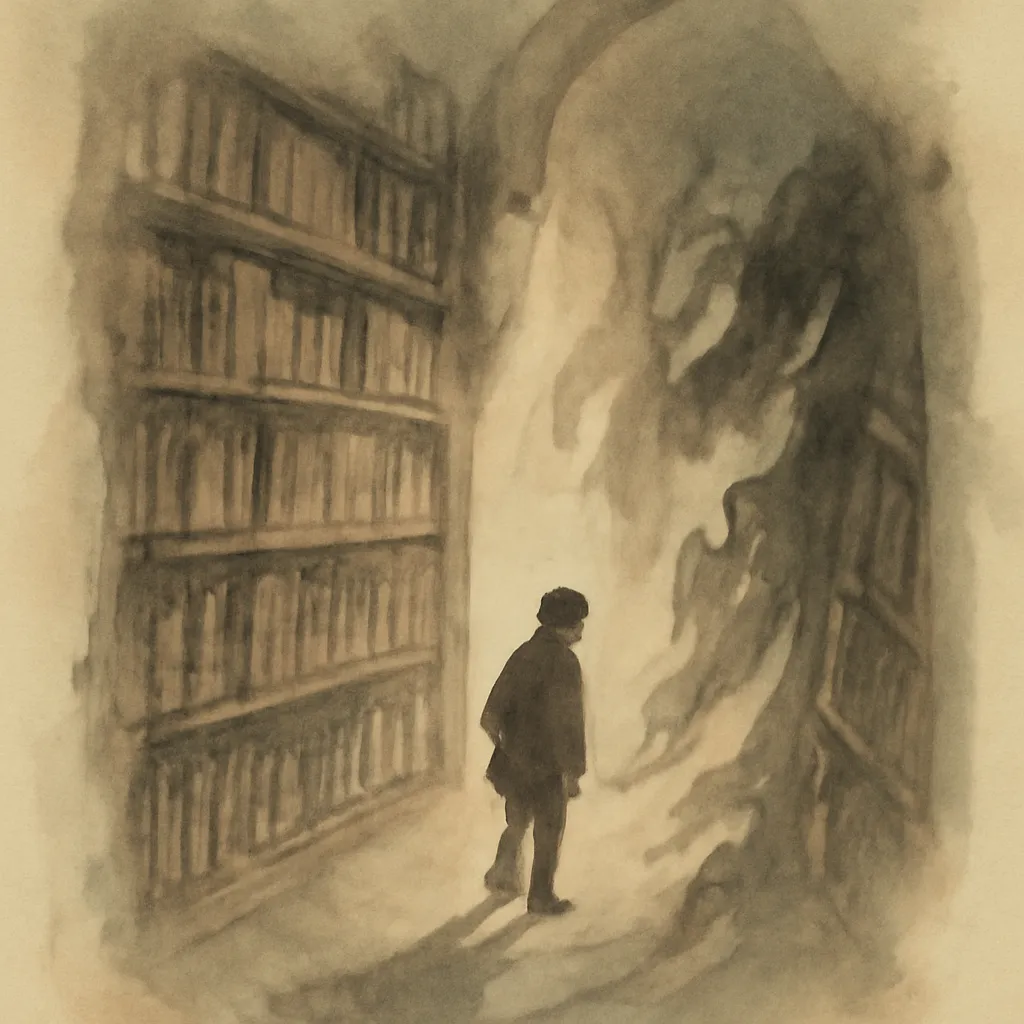
Mike Mignola’s art is as much a part of the book’s identity as its plot. His use of heavy shadows, stark compositions, and gothic architecture creates a mood that is both eerie and mythic. The visuals do more than illustrate—they evoke a sense of ancient mystery and lurking danger, making the supernatural feel tangible. The art style is integral to the book’s lasting impact.
5.The Nature of Heroism
Hellboy is a hero not because he fits the mold, but because he consistently chooses to do what’s right, even when it’s difficult. His gruff demeanor and monstrous appearance contrast with his fundamentally decent nature. The book challenges conventional ideas of good and evil, suggesting that heroism is defined by actions, not origins.
6.Legacy and Myth
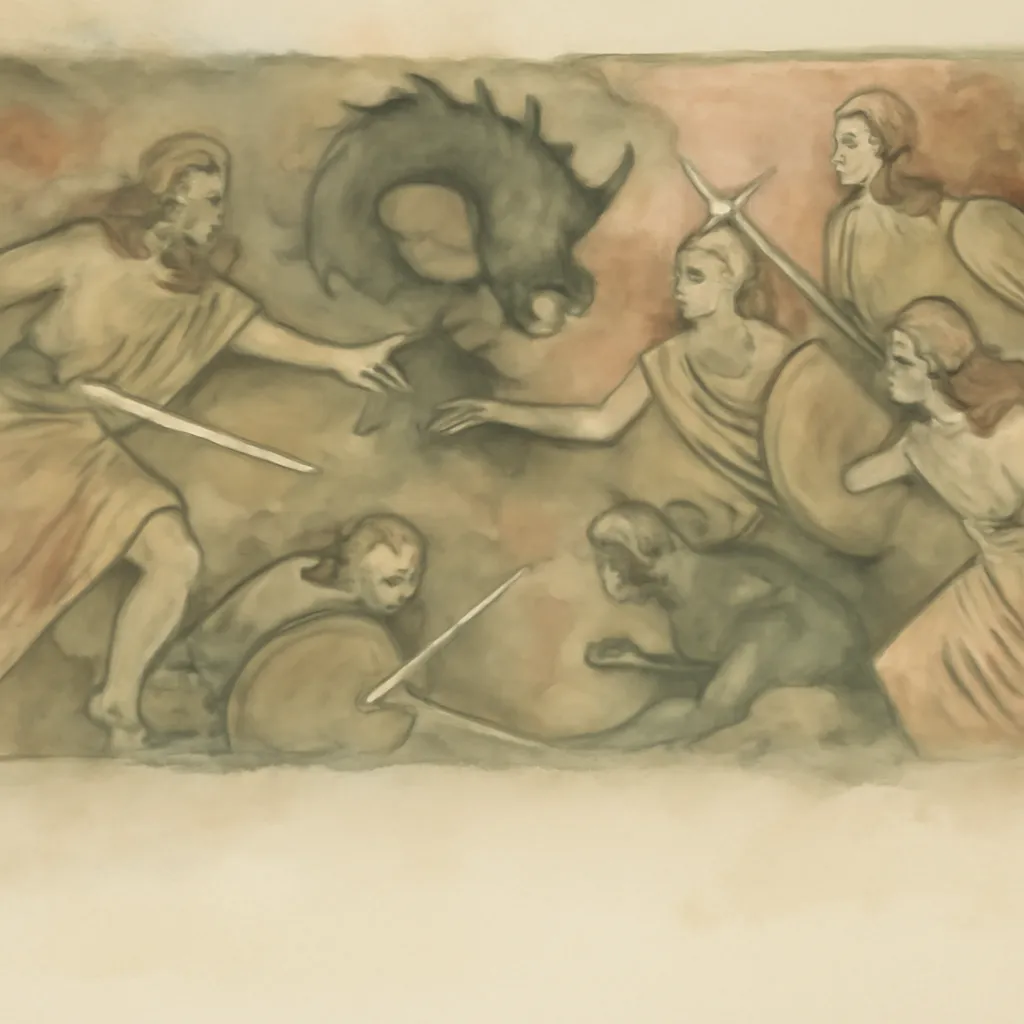
Seed of Destruction draws heavily from folklore, Lovecraftian horror, and pulp adventure, creating a rich mythos that feels both familiar and original. The story’s layers of ancient gods, forbidden rituals, and secret societies tap into universal fears and fascinations, giving the narrative a timeless quality. This mythic resonance is a key reason for Hellboy’s enduring appeal.