1.The Power of Manipulation
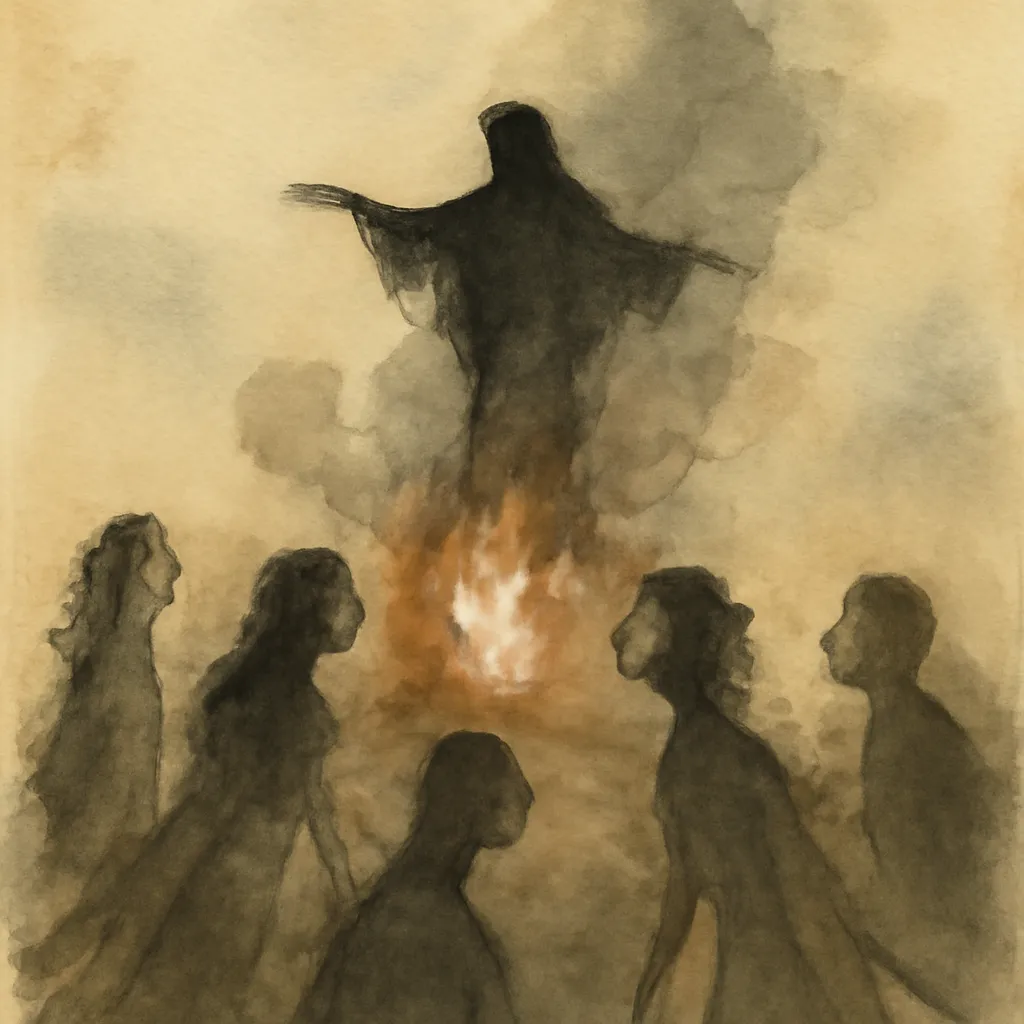
One of the book's central themes is the almost hypnotic influence Charles Manson exerted over his followers. Bugliosi meticulously documents how Manson preyed on the vulnerabilities of young people, using a mix of psychological manipulation, drugs, and apocalyptic rhetoric. The narrative explores how Manson constructed a cult identity, convincing his followers to abandon their moral compasses and commit horrific acts. This analysis goes beyond the sensational headlines to probe the social and psychological mechanisms that make such manipulation possible.
2.The Myth of Random Violence
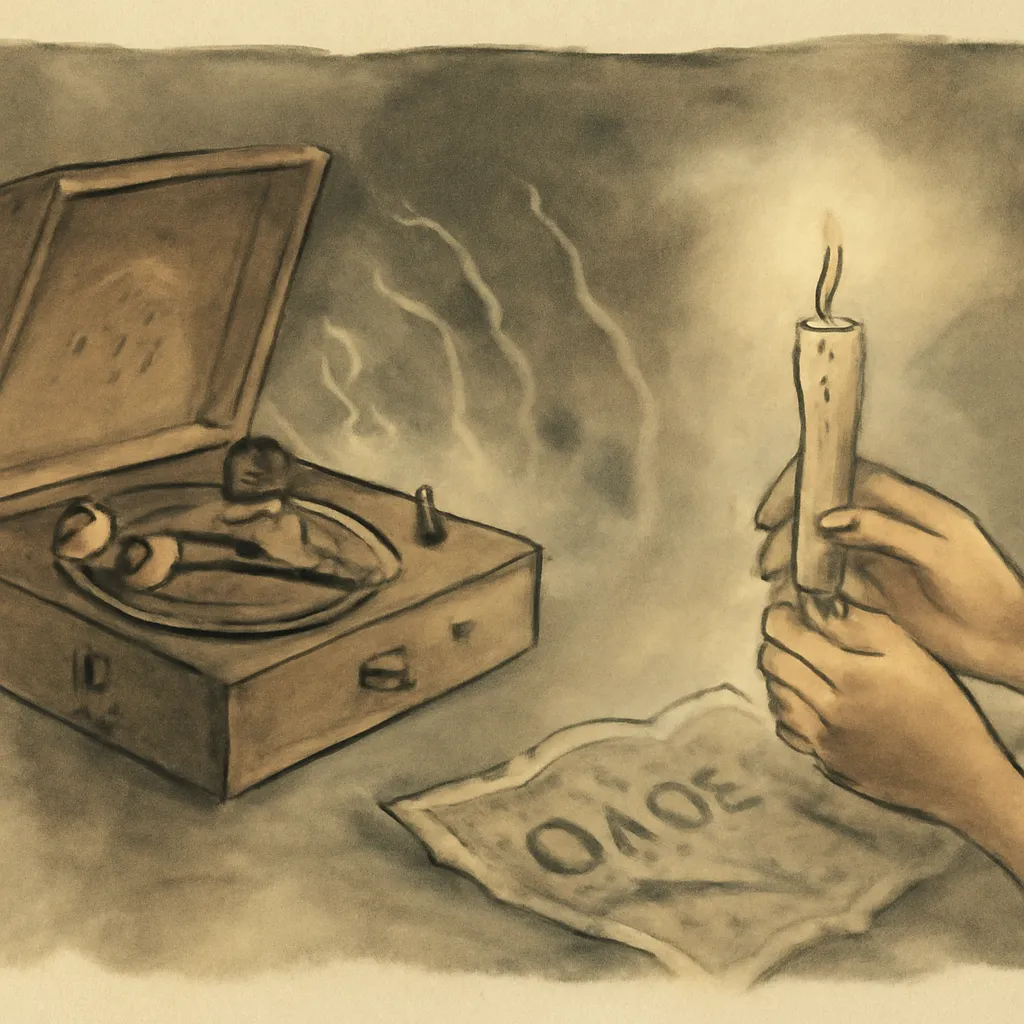
Helter Skelter challenges the idea that the Tate-LaBianca murders were senseless or random. Bugliosi uncovers Manson’s warped vision of 'Helter Skelter,' a coming race war he believed he could spark through violence. The book delves into how Manson interpreted Beatles lyrics and societal unrest as signs and instructions, giving the crimes a twisted logic. This exposes how ideology—no matter how bizarre—can drive real-world violence, and how understanding motive is crucial in unraveling complex crimes.
3.The Anatomy of a Landmark Trial
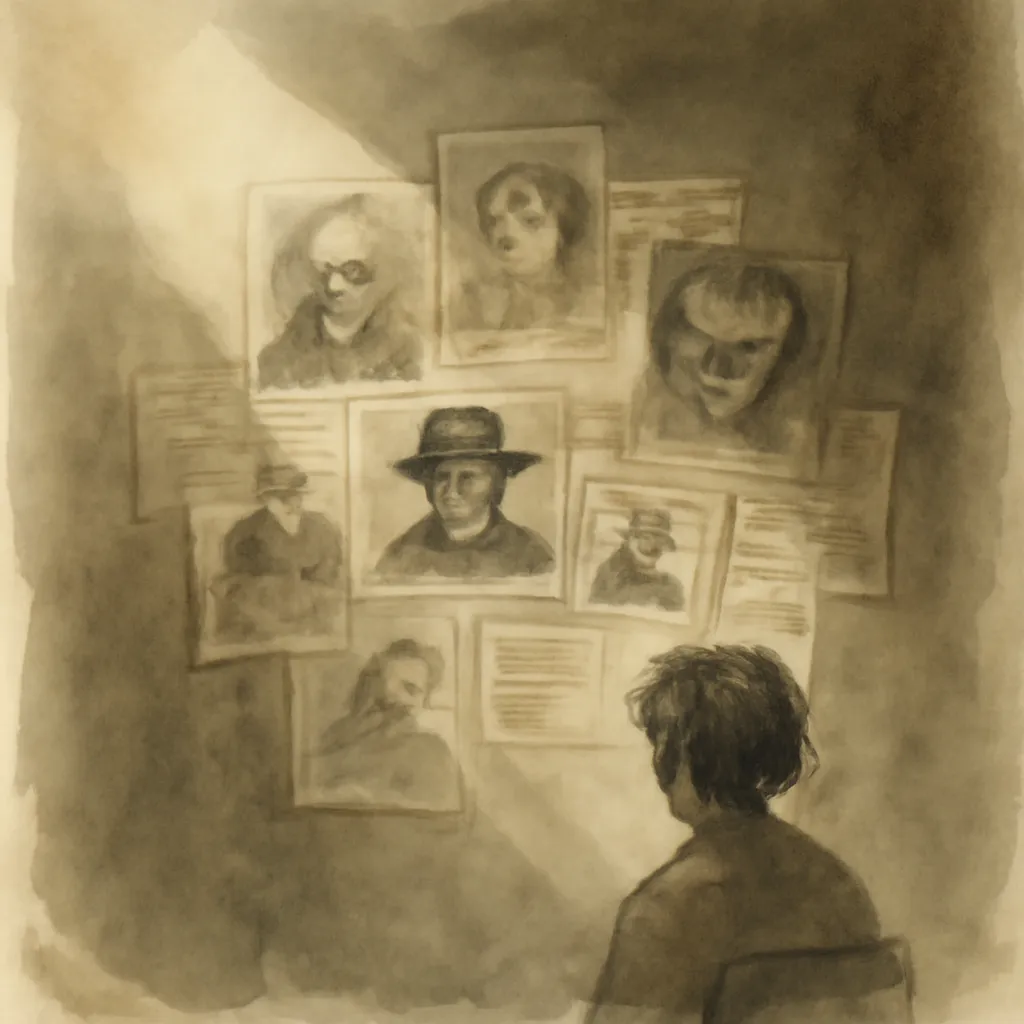
As both a true crime narrative and a courtroom drama, the book offers an insider’s look at the legal strategies, challenges, and breakthroughs that shaped the Manson trial. Bugliosi details the painstaking process of building a case with little physical evidence and uncooperative witnesses. Readers gain insight into the complexities of prosecuting cult-related crimes, the importance of narrative in the courtroom, and the ethical dilemmas faced by those seeking justice amid media frenzy.
4.Media, Fear, and the End of the Sixties
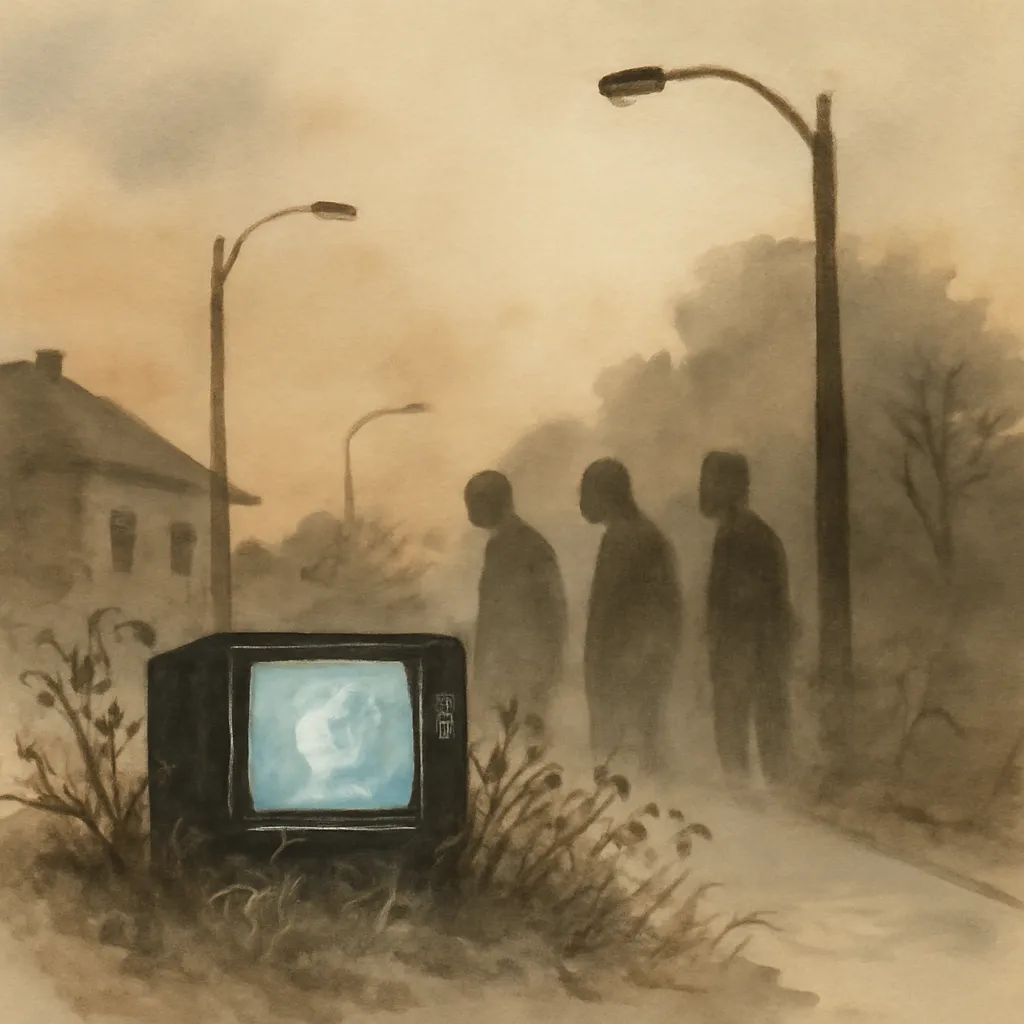
Helter Skelter is as much about the cultural moment as it is about the crimes themselves. The Manson murders symbolized a dark turning point in American society, shattering the idealism of the 1960s. Bugliosi explores how the media amplified public fear, turning the case into a national obsession. The book invites readers to reflect on how sensational crimes can shape cultural narratives, erode trust, and redefine an era’s values.
5.Justice and Its Limits
Bugliosi does not shy away from the imperfections of the justice system. The book highlights investigative missteps, legal loopholes, and the emotional toll on victims’ families. It raises questions about the adequacy of legal responses to unprecedented crimes, and whether true justice is ever possible in the face of such horror. This theme encourages readers to consider the broader implications of crime, punishment, and closure.
6.The Enduring Fascination with Evil
Finally, Helter Skelter probes why society remains obsessed with the Manson case decades later. Bugliosi suggests that the story endures not just for its brutality, but because it exposes the fragility of social order and the unsettling capacity for evil in ordinary people. The book becomes a meditation on fear, charisma, and the dark side of human nature.