1.Humanizing Catastrophe
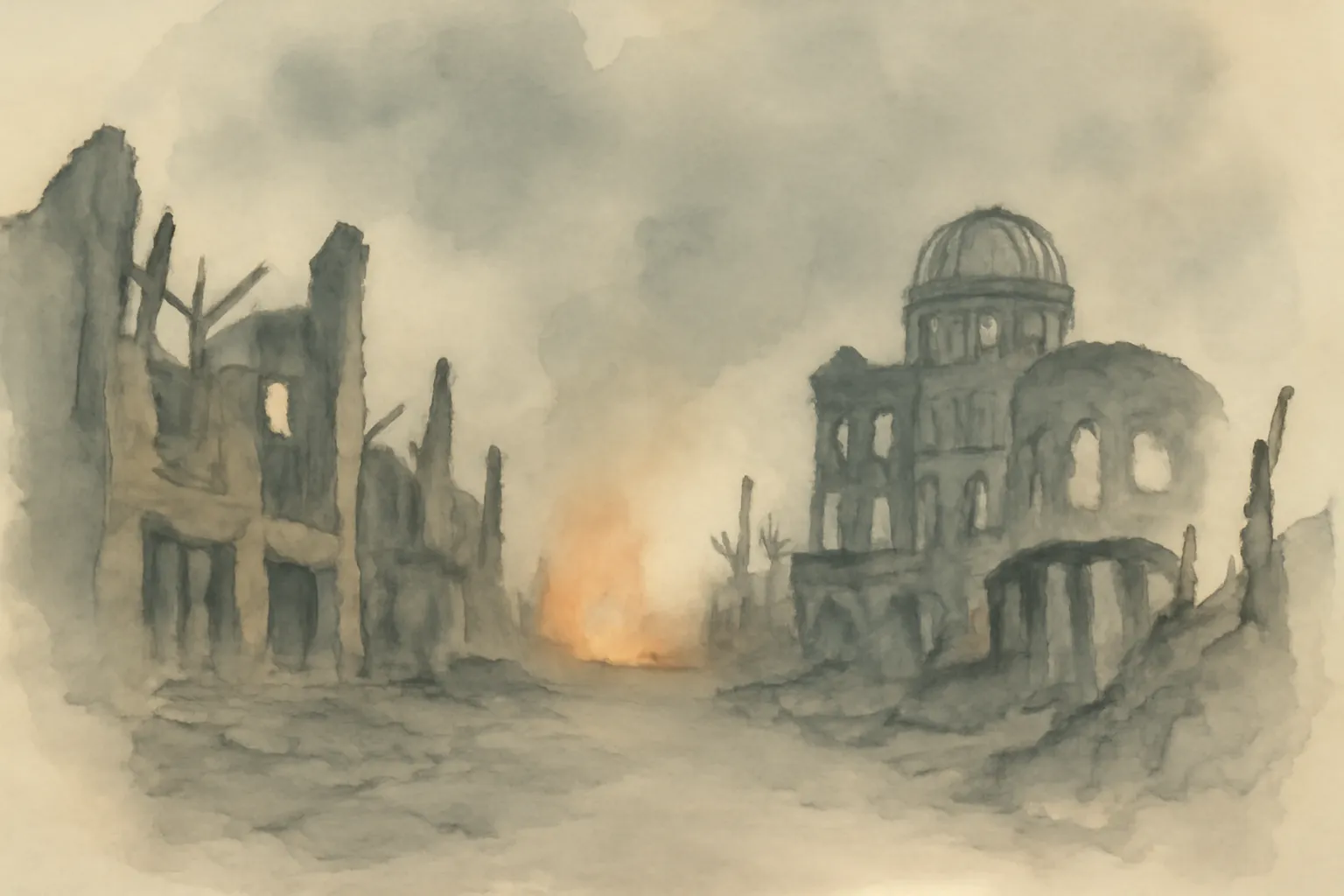
Rather than focusing on military strategy or political consequences, Hersey zeroes in on the lived experiences of six ordinary residents of Hiroshima. By telling their stories, he transforms an incomprehensible tragedy into a series of deeply personal events, making the suffering and resilience of individuals palpable. This approach compels readers to empathize with victims, reminding us that history’s biggest events are always lived one life at a time.
2.The Randomness of Survival
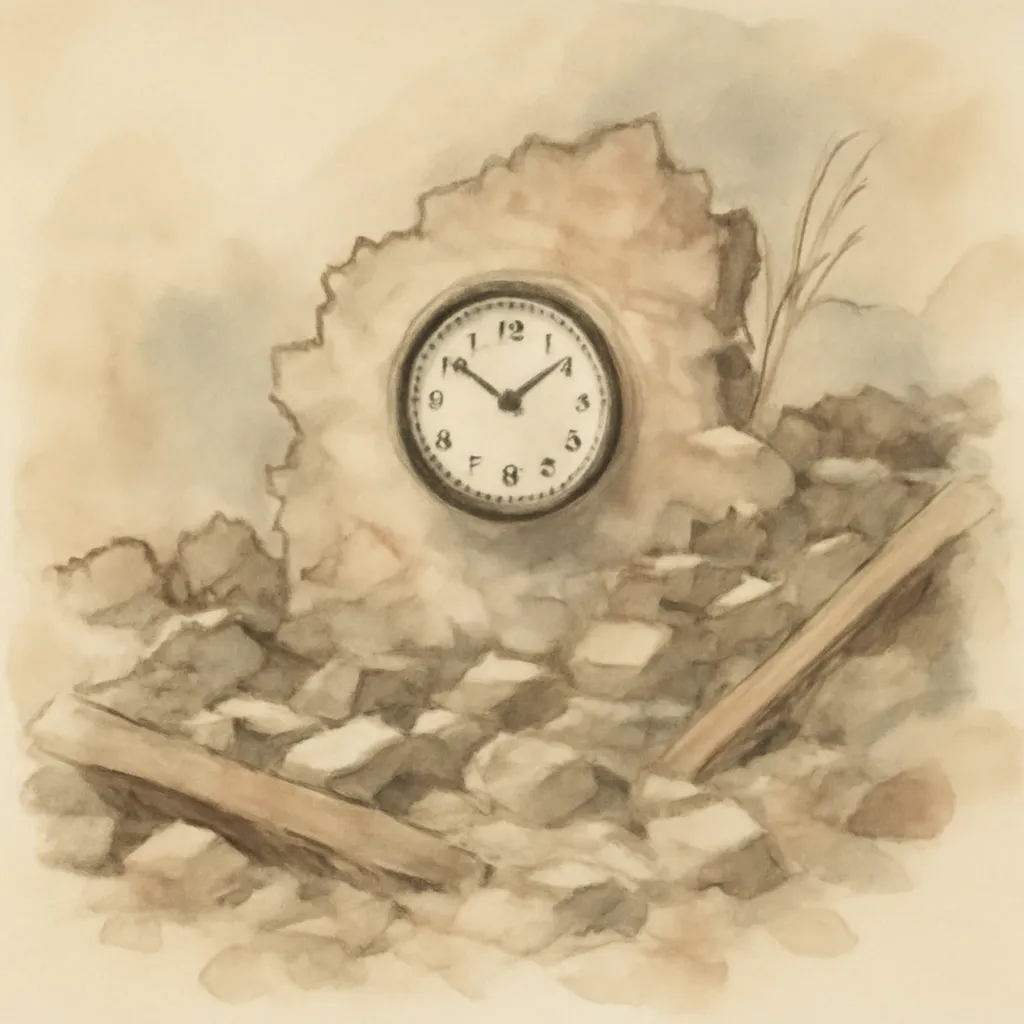
Hersey highlights how survival was often a matter of luck: where a person stood, what they were doing, or even which building they were in at 8:15 a.m. determined life or death. This randomness underscores the uncontrollable nature of war and disaster, challenging any notion that survival is a reward for virtue or preparation. It’s a humbling reminder of the fragility of life in the face of overwhelming force.
3.Enduring Trauma and Resilience
The six survivors’ stories don’t end with the blast. Hersey traces their physical injuries, psychological scars, and the long, uncertain path to recovery. He shows how trauma lingers—through illness, loss, and social stigma—yet also how individuals and communities find ways to endure, support each other, and rebuild. The book thus becomes a meditation on both suffering and the stubborn persistence of hope.
4.Moral Reckoning with Technology
Hiroshima raises profound questions about science, ethics, and responsibility. Hersey never preaches, but by describing the bomb’s effects in clinical detail, he forces readers to confront the moral implications of technological power unleashed without regard for human cost. The book invites reflection on how societies weigh military objectives against humanitarian consequences.
5.The Power of Witness
By meticulously documenting survivors’ testimonies, Hersey acts as a witness to history. His journalistic style—restrained, factual, and compassionate—lends credibility and gravity to the narrative. This method demonstrates the importance of bearing witness: telling and retelling stories so that the world cannot forget what happened, and so that lessons might be learned.
6.Silence and Suppression
Hersey’s reporting also exposes how information about Hiroshima was suppressed by authorities, both Japanese and American, in the aftermath. The book itself was groundbreaking in breaking this silence, showing how truth can be obscured in times of war and why journalism matters in holding power to account.