1.The Journey from Innocence to Experience
Lyra’s journey is not just physical, but a coming-of-age odyssey. As she leaves the safety of Jordan College for the perilous North, she confronts moral ambiguity, betrayal, and the limits of trust. Pullman uses her evolving understanding of the world—and the mysterious Dust—to explore how innocence is inevitably transformed by knowledge and experience. This transition is not only personal for Lyra, but also a metaphor for humanity’s own passage from unquestioning faith to critical inquiry.
2.Daemons and the Nature of the Self
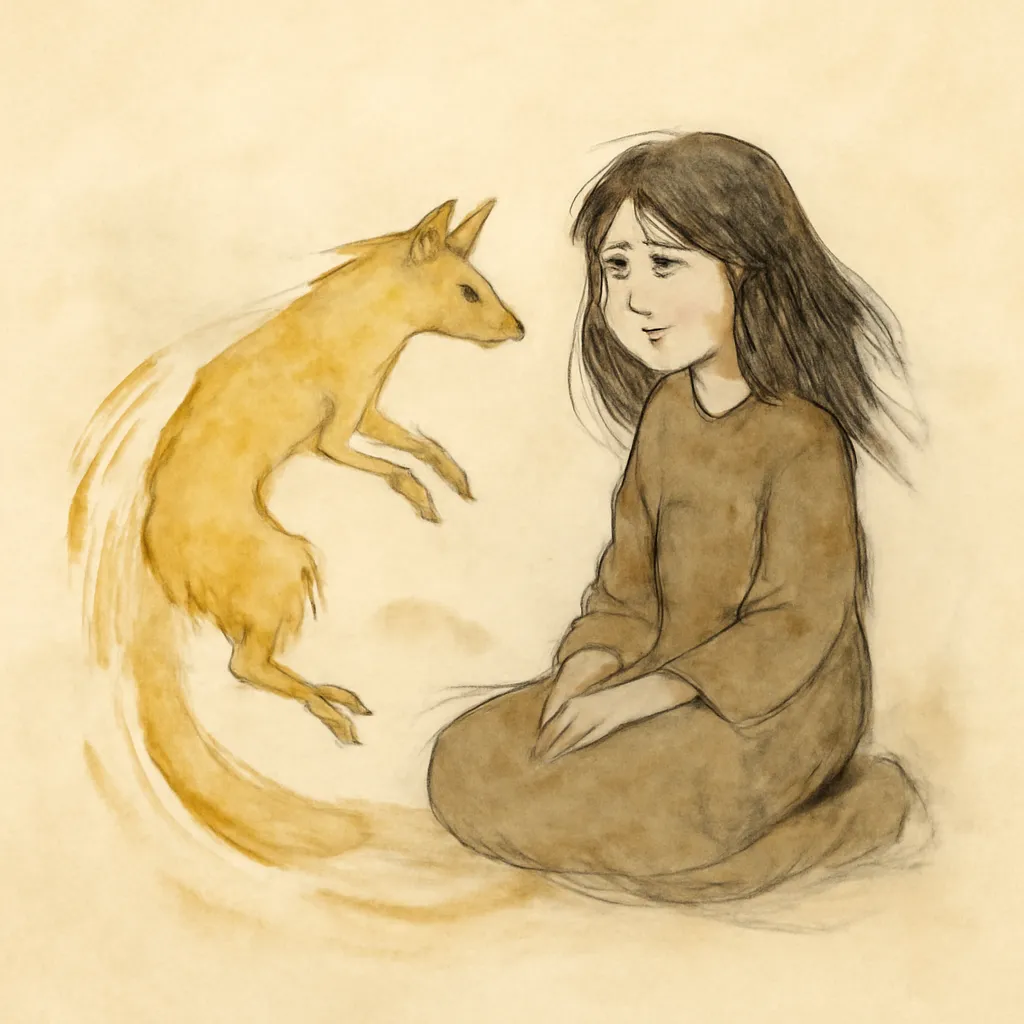
In Lyra’s world, every human is accompanied by a daemon—an animal manifestation of their inner self. Daemons are both confidants and reflections of their humans’ personalities, shifting shape in childhood and settling as one form in adulthood. This concept allows Pullman to explore themes of identity, self-knowledge, and the connection between body and soul, raising questions about what truly defines a person.
3.Authority, Rebellion, and Free Will
The novel’s antagonists—embodied by the authoritarian Magisterium—represent oppressive systems that seek to control knowledge and dictate morality. Lyra’s defiance and the resistance of those around her highlight the importance of questioning authority and championing individual freedom. Pullman weaves a critique of dogmatism and blind obedience, encouraging readers to think for themselves and challenge unjust power.
4.The Mystery of Dust
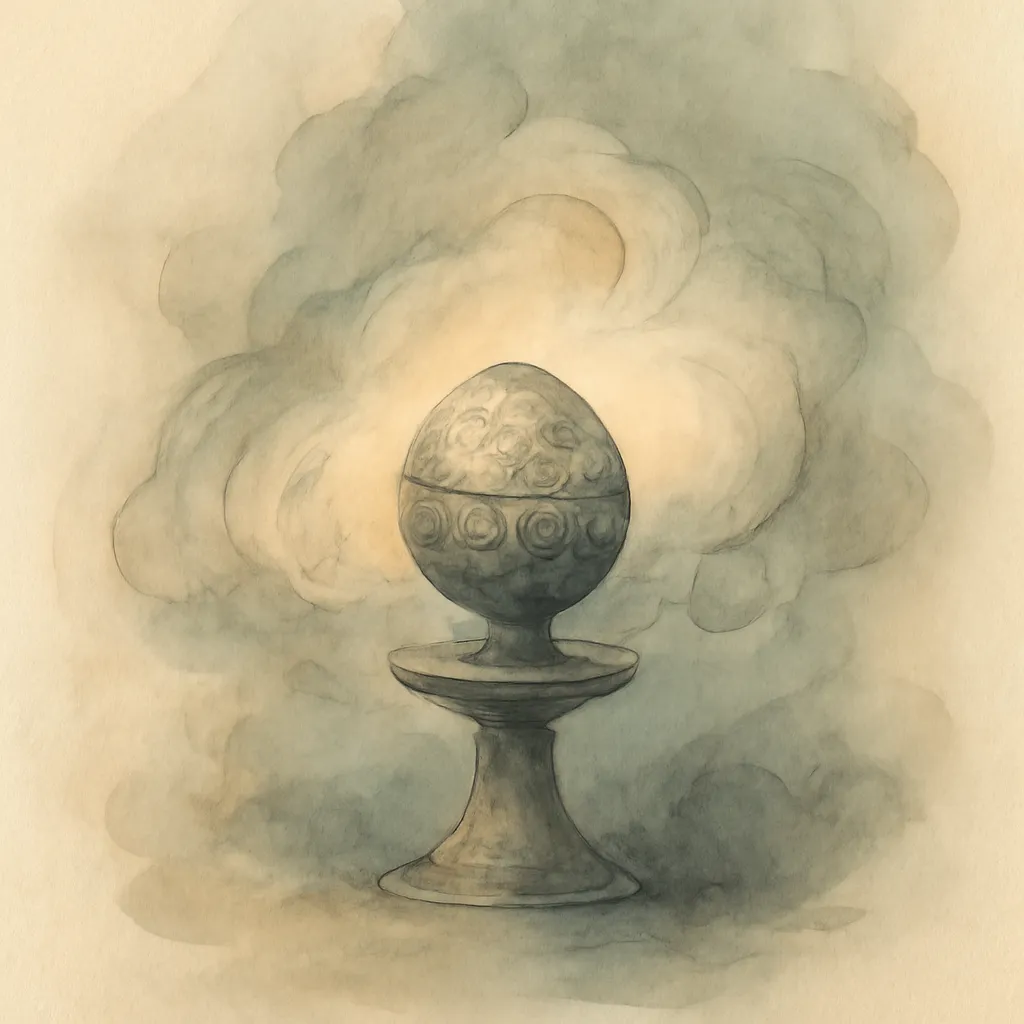
Dust, the enigmatic particle at the heart of the story, symbolizes curiosity, consciousness, and the unknown. Its significance is debated and feared by the authorities, who see it as dangerous. For Lyra and her allies, Dust becomes a symbol of the complexity of existence and the value of embracing mystery rather than suppressing it. The pursuit of understanding Dust drives the plot and the philosophical questions at the book’s core.
5.The Power of Storytelling and Imagination
Pullman’s narrative celebrates the power of stories to shape reality and challenge the status quo. Lyra’s ability to read the alethiometer—a truth-telling device—relies on intuition, imagination, and trust in her own mind. The book itself invites readers to see fantasy as a way to interrogate real-world issues, blending myth and science in a manner that encourages critical thinking and wonder.
6.Moral Complexity and Empathy
Unlike many traditional fantasies, The Golden Compass refuses to draw clear lines between good and evil. Characters are flawed, motivations are mixed, and even the most villainous figures are given depth. Lyra’s empathy, adaptability, and willingness to see beyond appearances are essential to her survival and growth, reminding readers that moral clarity often emerges from understanding, not judgment.