1.Holmes's Retirement: A New Life
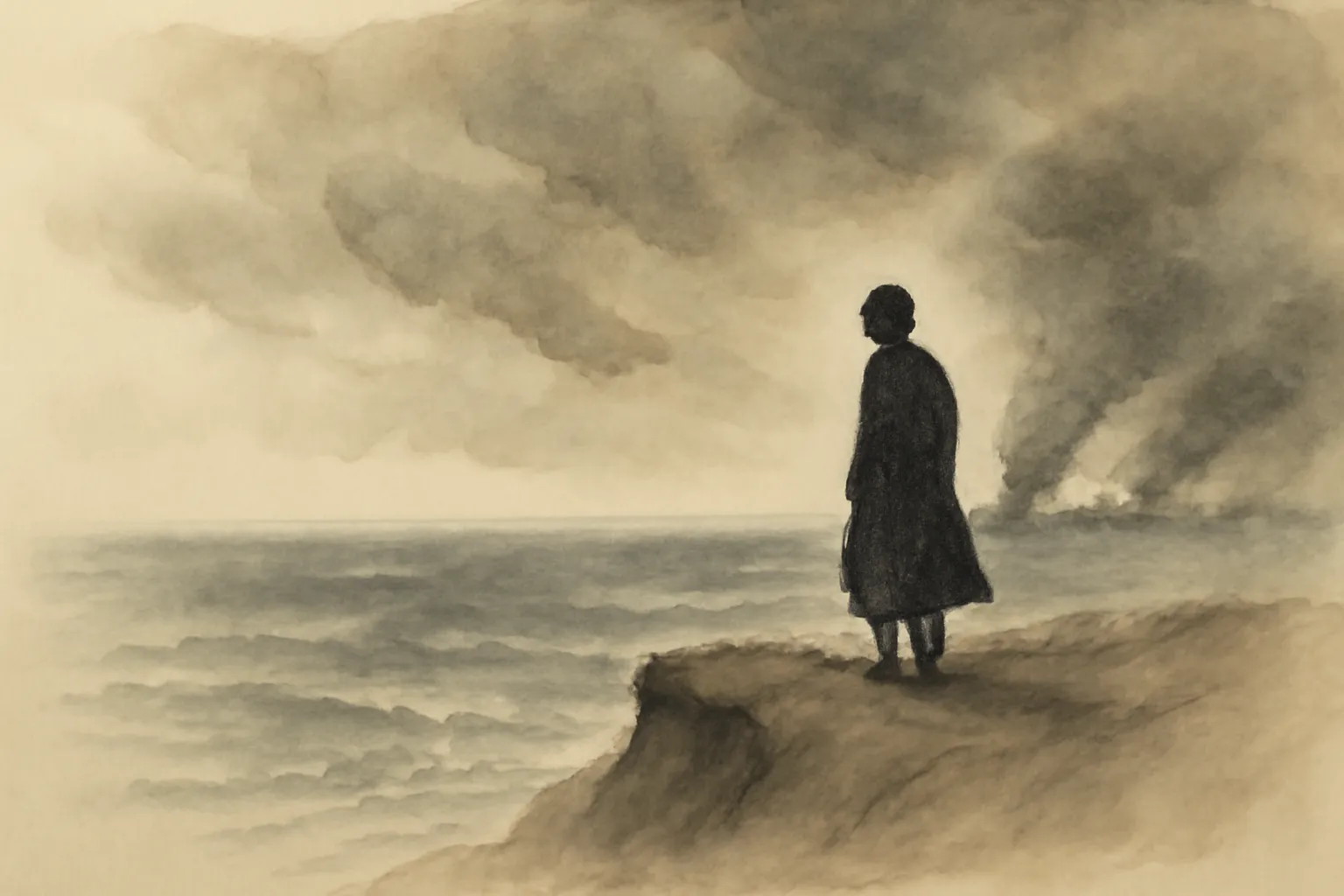
After years of relentless pursuit of justice, Sherlock Holmes has chosen a quieter life in retirement, living on a farm near Eastbourne. This new phase is marked by his engagement in philosophy and agriculture, suggesting a longing for peace after the chaos of his past cases. Holmes’s character is multifaceted; the detective who once thrived in the heart of danger now seeks solace in the simplicity of farm life. However, the world does not allow him to remain idle for long. As tensions rise with the impending German war, Holmes feels a sense of duty to contribute his intellectual prowess to the government. This duality of seeking tranquility while being pulled back into the fray highlights the complexities of his character—an astute mind trapped in a world rife with crime and conflict. His retirement symbolizes a temporary respite, yet the call of duty proves irresistible, underscoring the theme of service over self.
2.The Grotesque and the Criminal
Holmes often reflects on the nature of the grotesque, suggesting that what appears strange or absurd can harbor deeper, darker truths. He posits that many of his past cases, such as the curious incident of the red-headed men, illustrate how the grotesque can lead to criminality. This notion serves as a lens through which readers can explore the psychological motivations behind crime. In the stories, the grotesque elements often serve to heighten the tension and suspense, inviting readers to examine the unsettling aspects of human behavior. For example, in 'The Adventure of the Devil’s Foot,' the haunting presence of fear and madness caused by a strange poison encapsulates how the unexpected can reveal human frailty. Holmes’s insights into the human psyche remind us that understanding the grotesque is essential for unraveling the mysteries of crime and that appearances can be deceiving, often masking profound emotional turmoil.
3.The Adventure of Wisteria Lodge: A Case of Mystery

In 'The Adventure of Wisteria Lodge,' Holmes encounters a baffling case involving the mysterious disappearance of a man and the strange behavior of his servants. The narrative unfolds on a bleak day in March 1892, setting a tone of foreboding. Holmes's deductive reasoning leads him to consider not just the facts at hand but the motivations that drive human behavior. This case unravels the layers of deception, revealing how trust can be manipulated, and suggests that the truth, though often obscured, is waiting to be uncovered. Holmes’s methodical approach illustrates his belief that understanding human nature is as crucial as analyzing physical evidence. The interplay between Holmes and Watson throughout this story showcases their enduring partnership, highlighting how their contrasting perspectives enhance their investigations. This case exemplifies how even the most seemingly mundane situations can harbor dark secrets, a theme that resonates throughout the collection.
4.The Bruce-Partington Plans: Espionage and Intrigue
'The Adventure of the Bruce-Partington Plans' raises the stakes with a web of espionage involving stolen government documents. The case presents a microcosm of the political tensions of pre-war Britain, where secrets can mean the difference between safety and disaster. Holmes’s investigation not only reveals the identity of the thief but also the motivations behind the theft, showcasing the interplay of personal ambition and national security. The complexities of this case emphasize the moral ambiguities that often accompany espionage, challenging readers to consider the ethical implications of loyalty and betrayal. As Holmes navigates these treacherous waters, the stakes become personal, illuminating the broader geopolitical landscape. The story serves as a reminder that even within the world of espionage, the human elements of desire and desperation are ever-present, complicating the notion of right and wrong.
5.The Devil’s Foot: A Study in Fear
Fear emerges as a potent weapon in 'The Adventure of the Devil’s Foot,' where Holmes confronts a mysterious poison that drives its victims to insanity. The story cultivates an atmosphere of dread, illustrating how fear can warp perception and reality, distorting the minds of those affected. Holmes’s investigation reveals not just the mechanics of the crime but also the psychological impact it has on the individuals involved, showcasing how fear can manipulate and control. This exploration of fear serves as a powerful commentary on human vulnerability; when faced with the unknown, even the bravest can succumb to terror. As Holmes grapples with these emotional depths, readers are drawn into a narrative that challenges their own perceptions of strength and cowardice. By stripping away the façade of courage, the story reveals the raw human emotions that lie beneath.
6.The Dying Detective: The Power of Deception
In 'The Adventure of the Dying Detective,' Holmes employs a masterful deception to draw out the true nature of a suspect. Feigning illness, he places himself in a vulnerable position to test the loyalty of those around him. This narrative highlights Holmes’s unparalleled ability to manipulate situations to his advantage, showcasing his cunning and intellect. The theme of deception runs throughout the tale, creating a tension that challenges readers to question the reliability of appearances. The emotional weight of the story is palpable, as Holmes's health hangs in the balance, and readers are drawn into the depths of his struggle. The ultimate reveal serves as a testament to the power of intellect over brute force, showcasing that true strength lies in the mind’s ability to outthink adversaries. This case serves as a reminder that, in the pursuit of truth, deception can sometimes be a necessary tool.
7.Lady Frances Carfax: The Disappearance of a Lady
The case of Lady Frances Carfax is a poignant exploration of vulnerability and the darker aspects of human nature. Holmes investigates her mysterious disappearance, uncovering a web of deceit and danger that surrounds her. The story highlights the precariousness of life for those who find themselves in compromising situations, as well as the societal pressures that can lead to desperation. As Holmes delves deeper into the case, he encounters a cast of characters, each with their own motives and secrets. The emotional stakes are high, as the fate of Lady Frances hangs in the balance, and Holmes's determination to uncover the truth drives the narrative forward. This case serves as a reminder of the fragility of human life and the relentless pursuit of justice. It showcases the importance of compassion and understanding in a world where individuals can easily become victims of circumstance.
8.The Adventure of the Dying Detective: A Study in Manipulation
In this story, Holmes's clever manipulation of circumstances to expose a murderer demonstrates his unparalleled intellect. By pretending to be at death's door, he draws out the true nature of his adversary, showcasing the lengths he will go to for justice. This narrative explores themes of morality, as Holmes confronts the ethical implications of his deception. The emotional intensity of the situation adds depth to the story, reminding readers of the risks involved in the pursuit of truth. Holmes's ability to manipulate those around him illustrates the complexities of human interactions and the often-blurred lines between right and wrong. This case exemplifies the intricate dance of intellect and morality that defines Holmes's character, inviting readers to ponder the moral consequences of deception in the name of justice.
9.The War Service of Sherlock Holmes: A Call to Duty
In the final story, 'His Last Bow: The War Service of Sherlock Holmes,' the detective emerges from retirement to aid the government in the face of looming war. This narrative serves as a powerful testament to Holmes's unwavering sense of duty and commitment to justice. As he confronts the threats posed by espionage and treachery, readers witness the melding of intellect and patriotism that defines his character. The story emphasizes the importance of using one's skills for the greater good, reminding us that even the most brilliant minds cannot remain idle in times of crisis. Holmes's decision to return to the fray highlights the moral imperative that drives him, showcasing his enduring legacy as a symbol of justice and resilience. This final bow is not just a farewell to a beloved character but a celebration of the ideals he represents, affirming that the fight for truth and justice transcends personal desires and requires sacrifice.