1.The Search for Solace Amidst Ordinary Surroundings
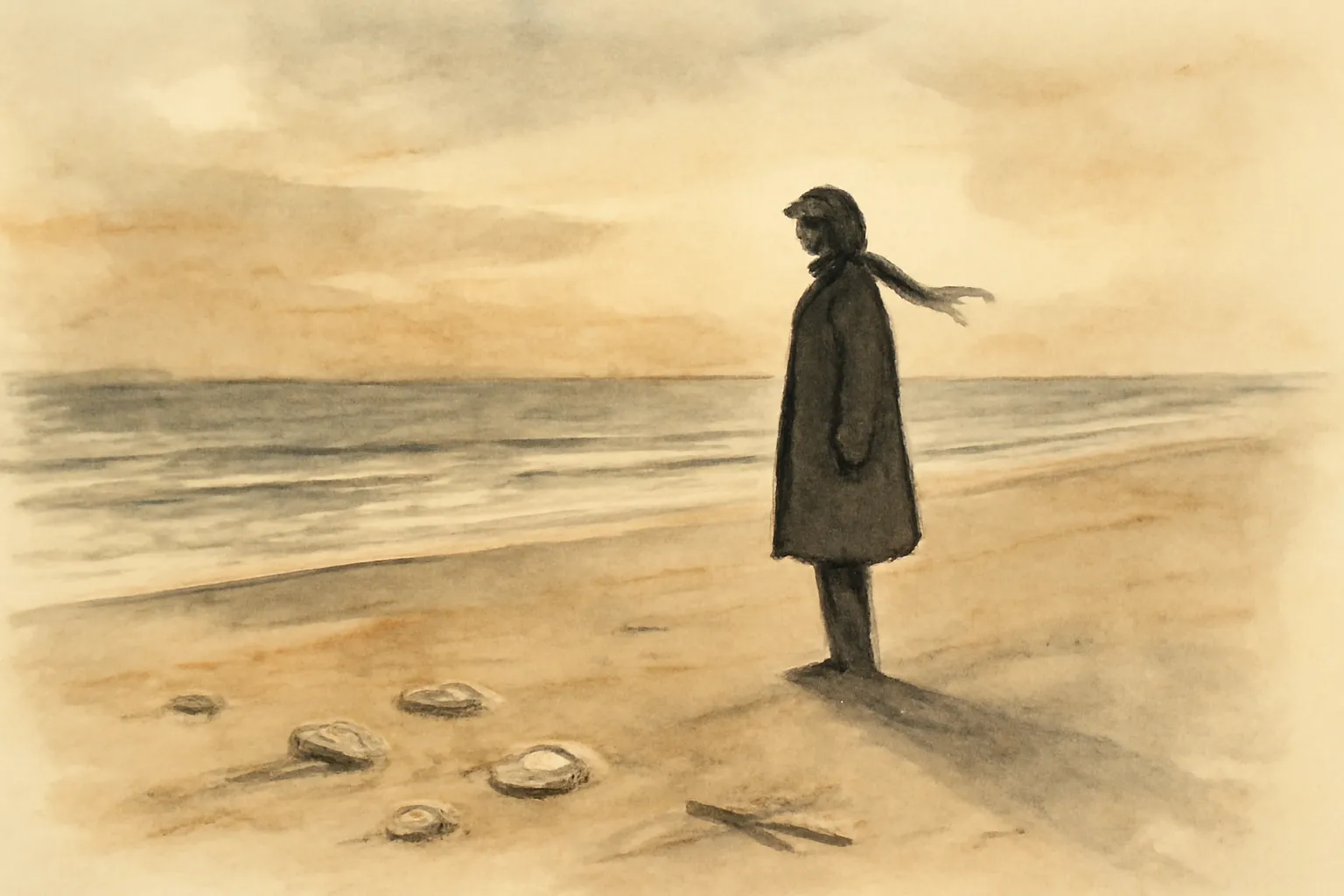
Middleton situates his protagonist, Edwin Fisher, in an unremarkable seaside town, using the ordinariness of the setting to contrast with Fisher's inner turmoil. The holiday is less an escape and more a liminal space where Fisher confronts his recent marital breakdown. The novel suggests that profound self-examination and even transformation can occur not in dramatic circumstances, but in the quiet, everyday moments of life.
2.The Complexity of Marital Relationships
Fisher's reflections on his failed marriage are central to the novel. Middleton avoids melodrama, instead offering a nuanced portrayal of marital discord, miscommunication, and the slow erosion of intimacy. Through Fisher's memories and encounters, the book explores how relationships are shaped as much by what is left unsaid as by overt conflict, and how blame and responsibility are rarely clear-cut.
3.The Elusiveness of Self-Knowledge
A key theme is Fisher's struggle to understand himself and his motivations. Middleton crafts a protagonist who is intelligent and self-aware, yet still baffled by his own emotions and choices. The novel interrogates the limits of introspection: even in solitude, Fisher finds that clarity is fleeting, and that self-knowledge is an ongoing, uncertain process.
4.The Role of Chance Encounters
Throughout his holiday, Fisher meets a variety of fellow vacationers and locals, each encounter subtly influencing his perspective. These interactions underscore the unpredictability of human connection and the ways in which even brief, seemingly inconsequential conversations can prompt reflection and growth.
5.Resilience and the Possibility of Renewal
Despite its melancholic tone, Holiday ultimately gestures toward resilience. Fisher's journey is not one of dramatic redemption, but of incremental acceptance and the tentative hope that life, even after disappointment, can still offer meaning and renewal. Middleton's restrained optimism is both realistic and quietly uplifting.