1.The Intimacy of Home Cooking
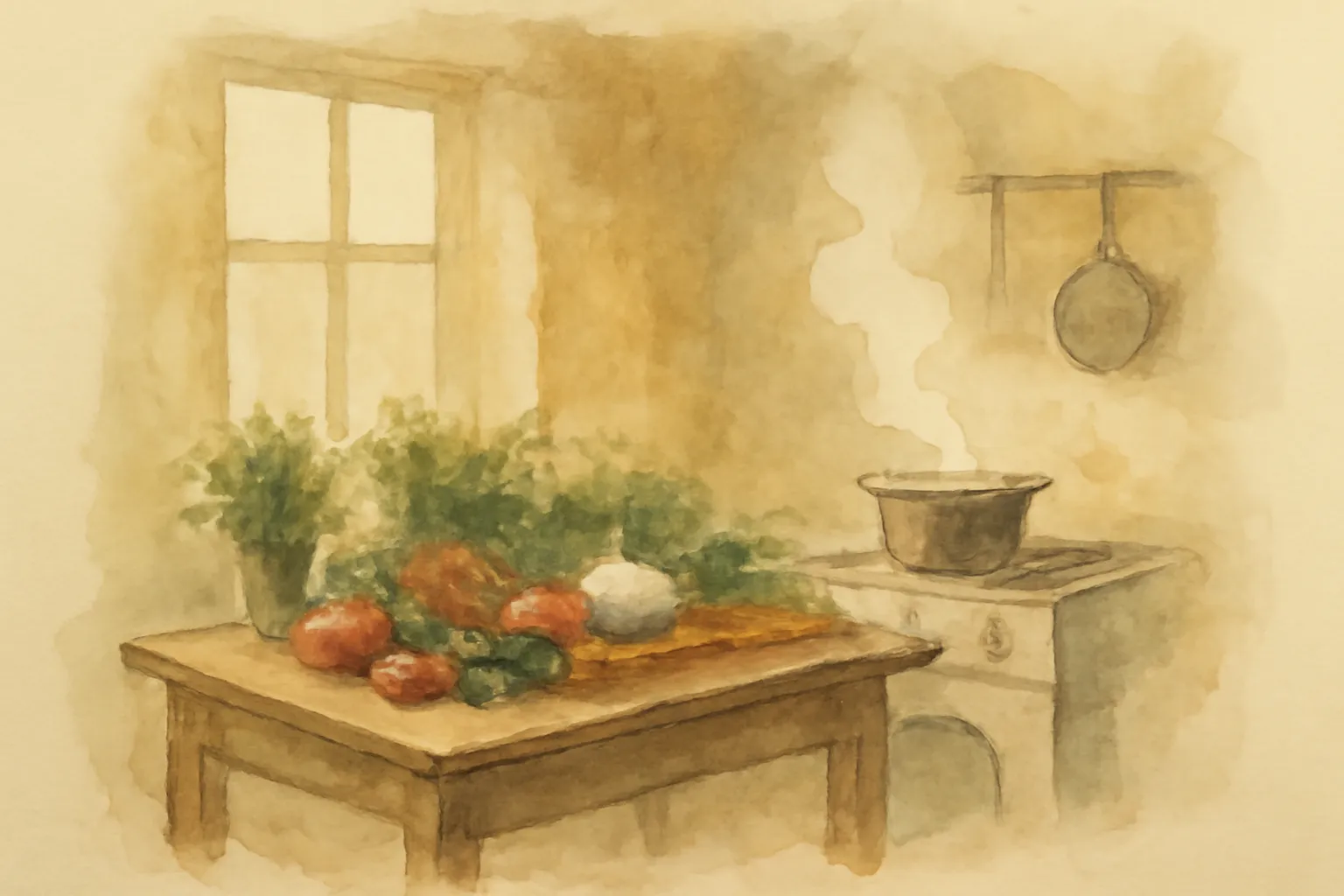
Colwin champions the idea that cooking at home is an act of love and intimacy, far removed from the pressures of perfection. She argues that the meals we prepare for ourselves and those we care about are imbued with meaning, regardless of their complexity or presentation. The kitchen becomes a space for creativity, comfort, and personal expression, making home cooking a deeply human and accessible pursuit.
2.Imperfection is Part of the Joy
A recurring theme in Colwin’s essays is the embrace of imperfection. She reassures readers that culinary disasters are not only inevitable but also valuable learning experiences. By sharing her own mishaps and kitchen failures, Colwin demystifies the art of cooking and encourages readers to experiment without fear, reminding us that mistakes often lead to discovery and delight.
3.Food as Memory and Storytelling
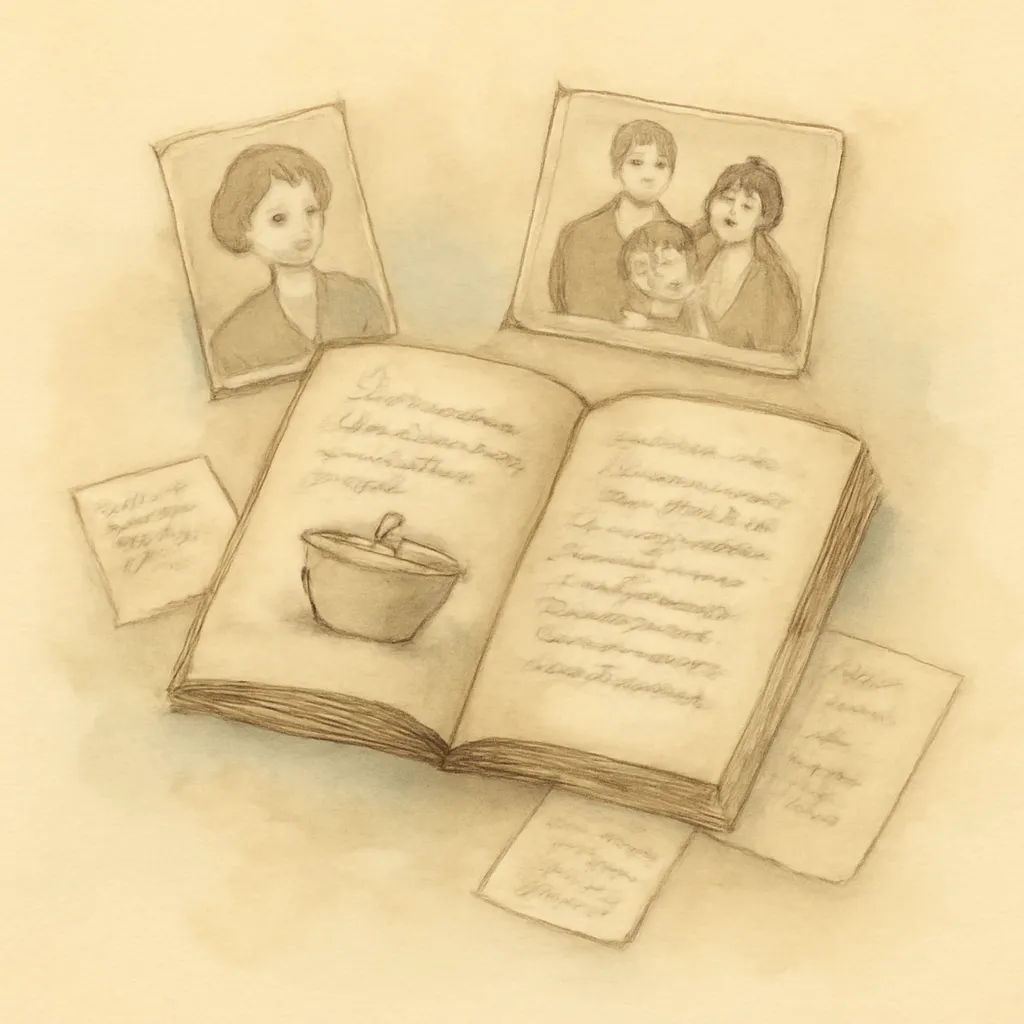
Colwin weaves personal anecdotes and family lore into her writing, demonstrating how food is intertwined with memory and identity. Recipes are never just instructions—they are vessels for stories, nostalgia, and the bonds between people. Through her essays, she shows how a simple dish can evoke a sense of belonging and continuity, connecting us to our past and to each other.
4.Practical Wisdom for Everyday Cooks
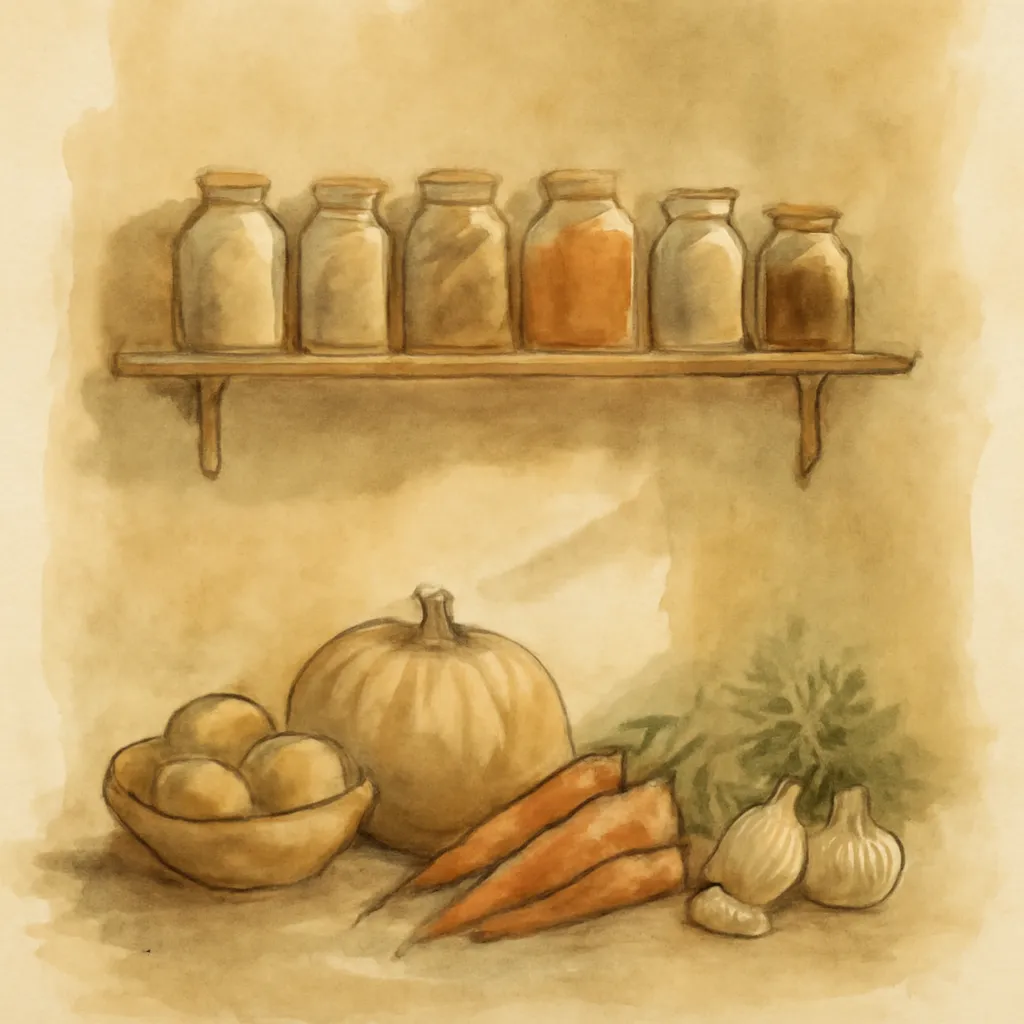
Home Cooking is filled with practical advice that demystifies the kitchen for everyday cooks. Colwin offers tips on everything from shopping for ingredients to improvising with what you have on hand. Her guidance is approachable and realistic, emphasizing that good food doesn’t require fancy equipment or rare ingredients—just a willingness to try and a bit of common sense.
5.Celebrating Simplicity and Comfort
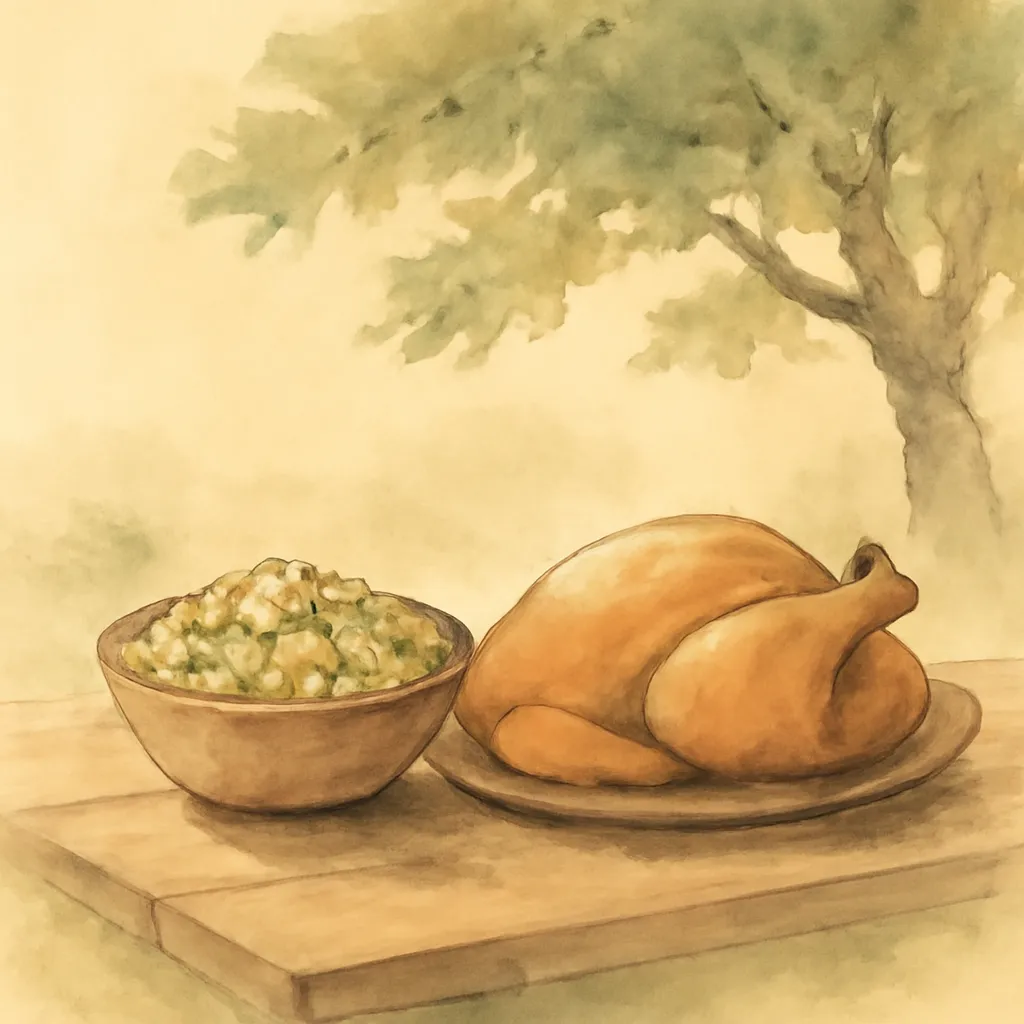
Colwin’s recipes and reflections celebrate the pleasures of simple, comforting food. She finds delight in humble dishes like roast chicken, potato salad, and homemade bread, arguing that these staples can be as satisfying as any gourmet creation. Her writing invites readers to find joy in the everyday act of feeding themselves and others.
6.The Social Side of the Table
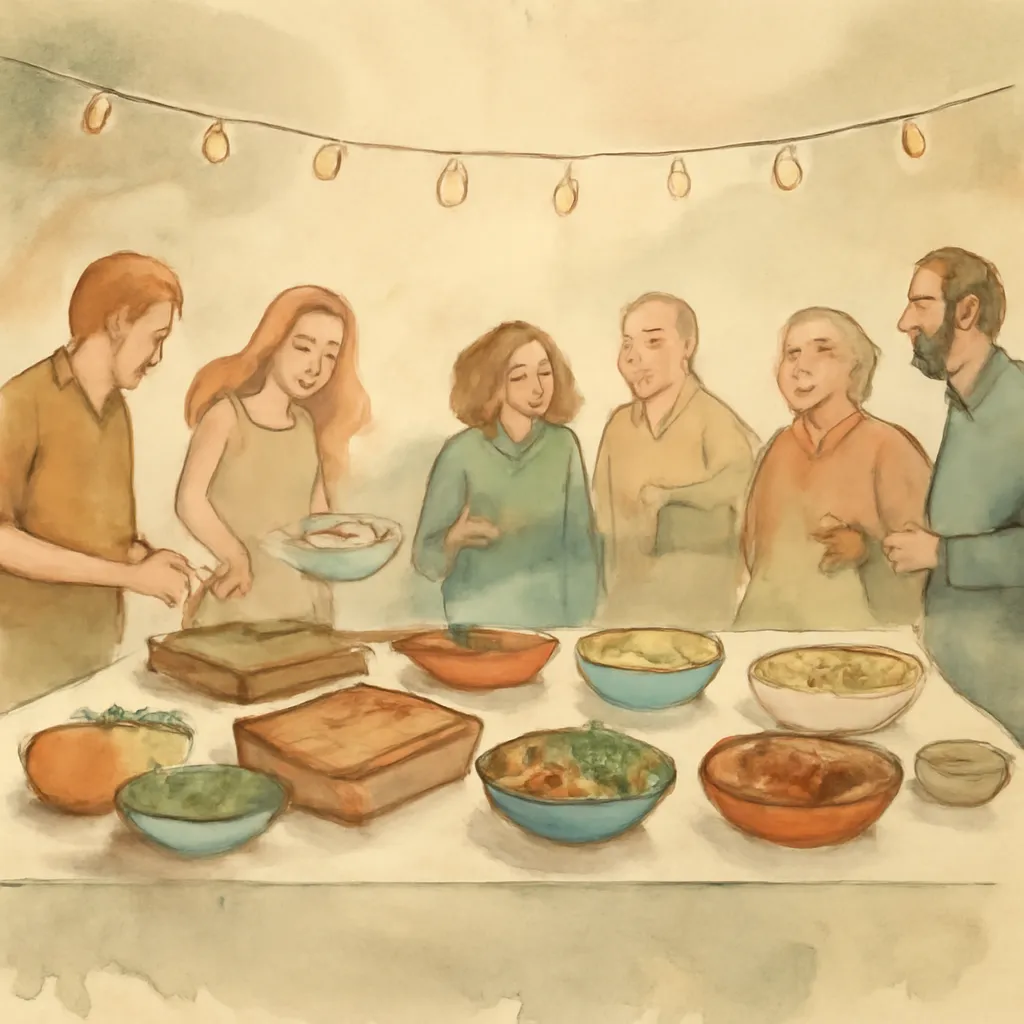
Throughout the book, Colwin emphasizes the communal aspect of cooking and eating. She explores the rituals of entertaining, the quirks of potlucks, and the small dramas of dinner parties. For Colwin, the act of sharing food is a way to foster connection, generosity, and laughter, making the home kitchen a center of social life.