1.The Interwoven Legacies of Race and Sport
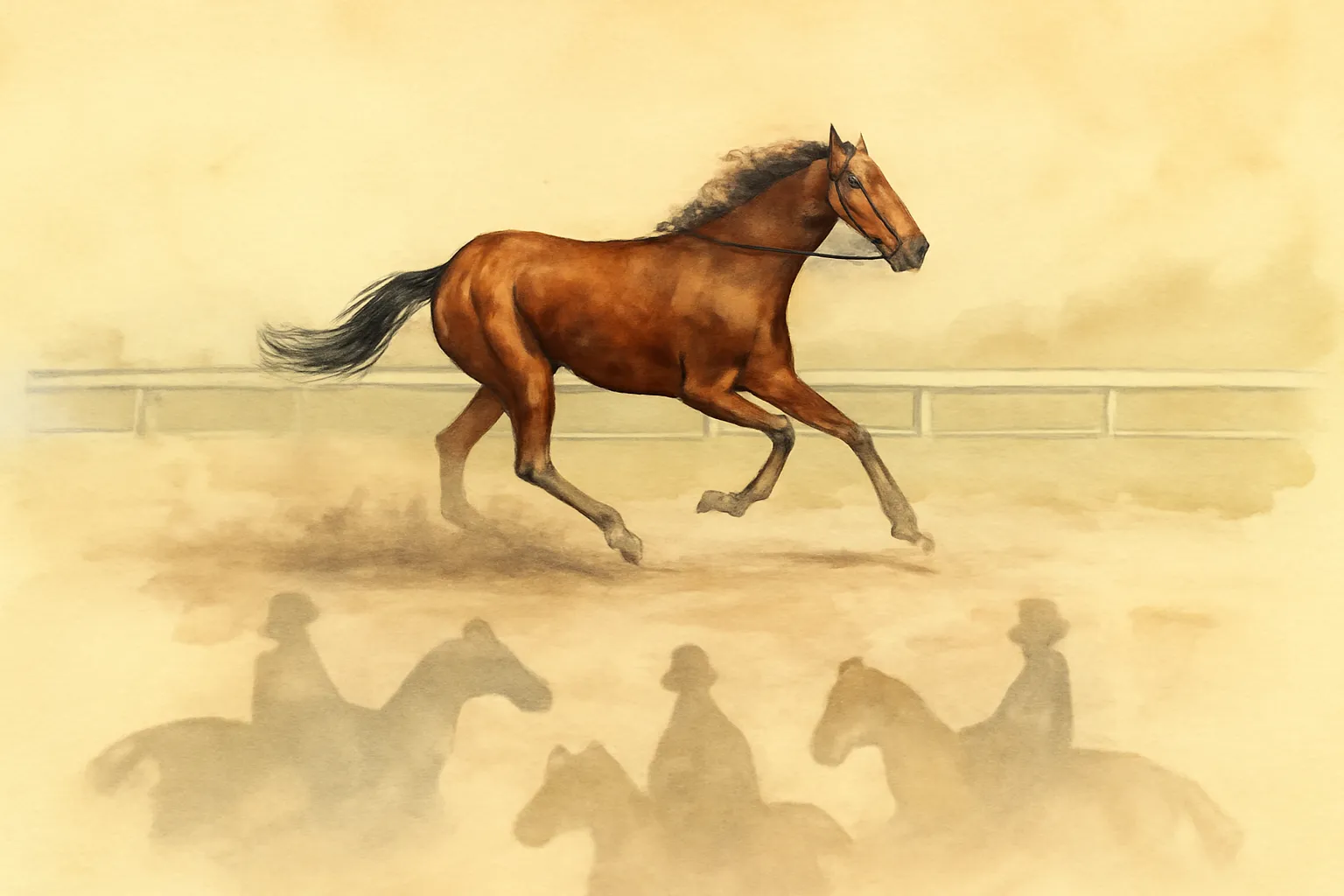
At its heart, 'Horse' explores the intersection of race and the world of horse racing in 19th-century America. The novel centers on Jarret, an enslaved groom whose expertise and deep connection with the horse Lexington are pivotal to the animal’s success. Brooks uses Jarret’s narrative to highlight the often-overlooked contributions of Black Americans in the history of American sport, while also exposing the systemic injustices and erasures that have shaped their stories. The novel asks readers to reconsider who is remembered and celebrated in history, and at what cost.
2.Art as Witness and Interpretation
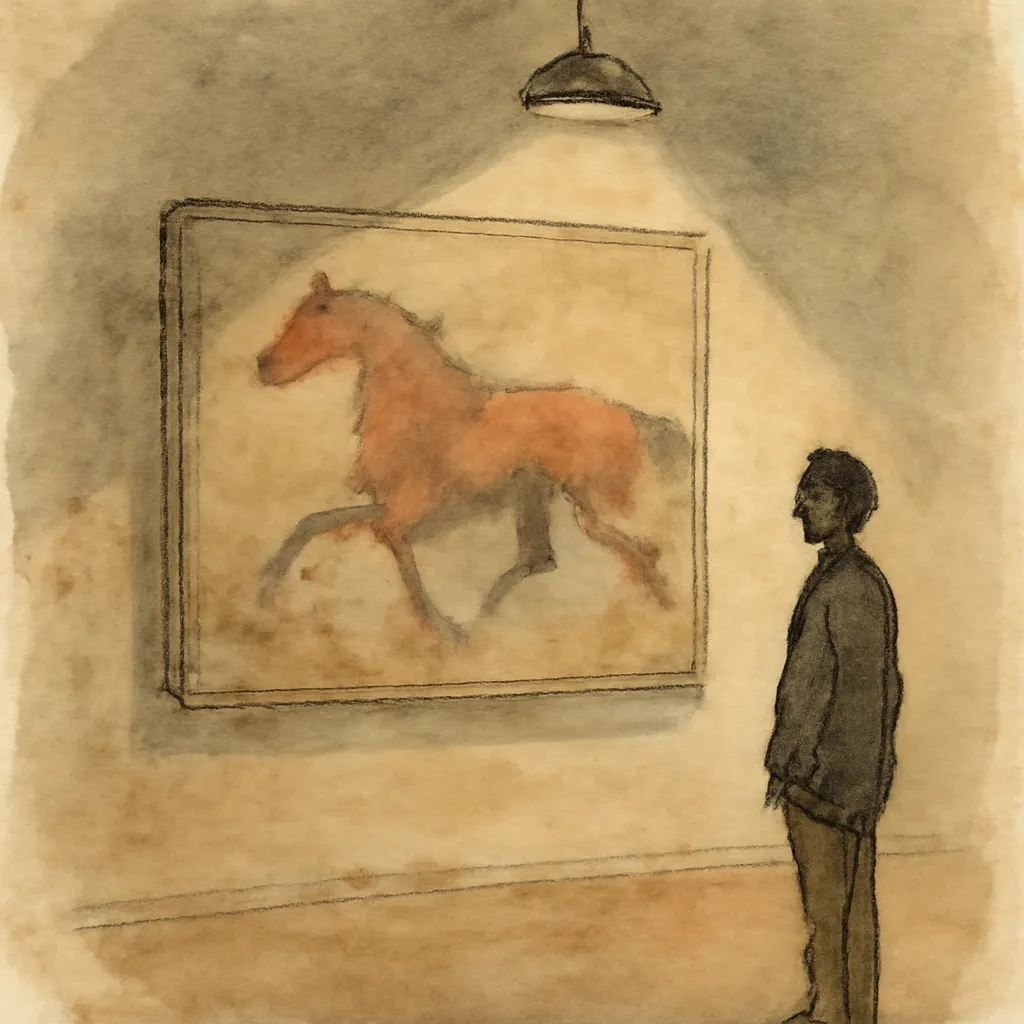
Brooks deftly examines how art both preserves and distorts history. The story’s present-day strand follows Jess, a Smithsonian scientist, and Theo, an art historian, as they investigate a mysterious painting of Lexington. Their research reveals how art can serve as a record of lives otherwise lost to time, but also how it can perpetuate biases or incomplete truths. The novel suggests that art is never neutral—it reflects the values, prejudices, and blind spots of its creators and audiences.
3.The Enduring Power of Obsession
Obsession drives many characters in 'Horse,' from Jarret’s devotion to Lexington, to the artist Thomas Scott’s fixation on capturing the horse’s likeness, to modern scholars’ determination to reconstruct the past. Brooks uses these obsessions to explore the thin line between passion and compulsion, and to question what we are willing to sacrifice in pursuit of our ideals—be they artistic, scientific, or personal.
4.History’s Echoes in the Present
The novel’s dual timelines—spanning the antebellum South and contemporary Washington, D.C.—underscore how the legacies of slavery and racism persist. Brooks draws direct lines between past and present, using the characters’ discoveries to comment on ongoing issues of racial injustice, cultural appropriation, and the selective memory of institutions. The story insists that history is not dead, but alive in the ways we remember, interpret, and act upon it.
5.Human-Animal Connections as a Mirror
The bond between Jarret and Lexington is rendered with tenderness and complexity, serving as a metaphor for resilience, trust, and the possibility of mutual understanding across divides. Brooks suggests that our relationships with animals can reveal both the best and worst of human nature—our capacity for empathy, but also for exploitation.
6.The Fragility and Resilience of Memory
Through lost paintings, forgotten bones, and rediscovered stories, 'Horse' interrogates how memory is constructed, preserved, and threatened. Brooks shows that what survives is often a matter of chance, but also of who cares enough to remember and to search. The novel is ultimately a call to recover lost voices and to question the stories we take for granted.