Friedman argues that our crowded, warming world demands a bold, global green revolution—now.
Hot, Flat, and Crowded offers a sweeping look at how climate change, population growth, and globalization are colliding to reshape our world. Thomas L. Friedman lays out why the U.S. must lead a new green revolution, and what’s at stake if we don’t. Readers will gain a big-picture understanding of the environmental crisis, the economic opportunities it creates, and the urgent need for innovation.
Thomas L. Friedman is a Pulitzer Prize-winning journalist and longtime New York Times foreign affairs columnist. Known for his ability to synthesize complex global trends, he brings authority and clarity to the intersection of environment, economics, and policy.
Key ideas
1.The Triple Convergence: Hot, Flat, and Crowded
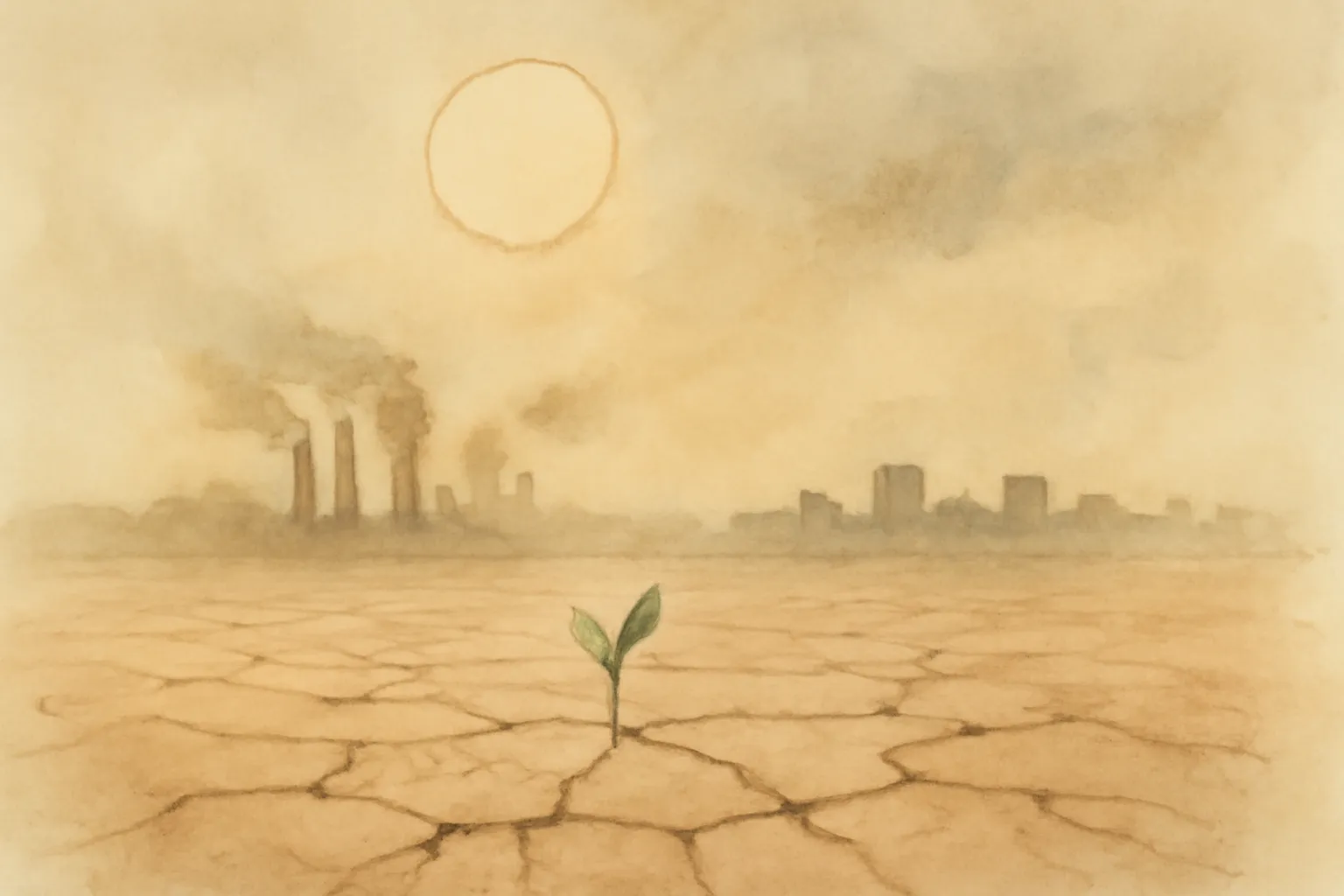
Friedman’s central thesis is that three powerful trends—global warming (hot), the rise of the global middle class (flat), and rapid population growth (crowded)—are converging to create unprecedented environmental and geopolitical challenges. As more people in developing countries aspire to American-style consumption, demand for energy and resources soars, intensifying climate change and straining the planet’s capacity. This convergence is not just an environmental issue, but a defining force shaping economics, security, and global stability.
2.The Energy-Climate Era
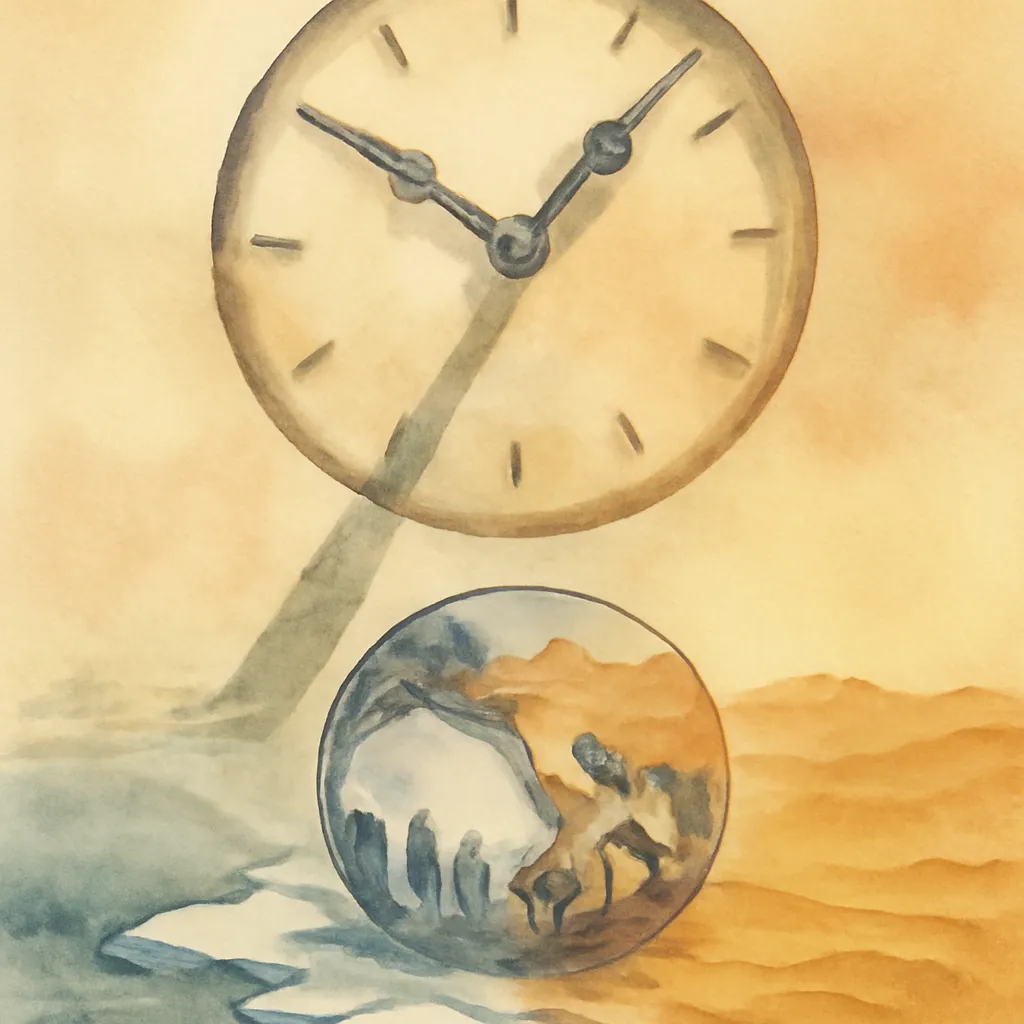
Friedman argues we are entering a new era where energy and climate issues will dominate global affairs, much like the Cold War shaped the 20th century. Dependence on fossil fuels not only drives global warming but also funds authoritarian regimes and undermines U.S. security. The author insists that energy innovation and environmental stewardship are now strategic imperatives, not just moral or scientific concerns.
3.America’s Leadership Opportunity—and Responsibility
A recurring theme is America’s unique position to lead the green revolution. Friedman contends that U.S. innovation, entrepreneurship, and policy can set the pace for global change. He criticizes American complacency and short-term thinking, warning that if the U.S. fails to act, it will lose its economic and political leadership to nations that embrace clean technology and sustainability.
4.The Power of Market Signals and Policy
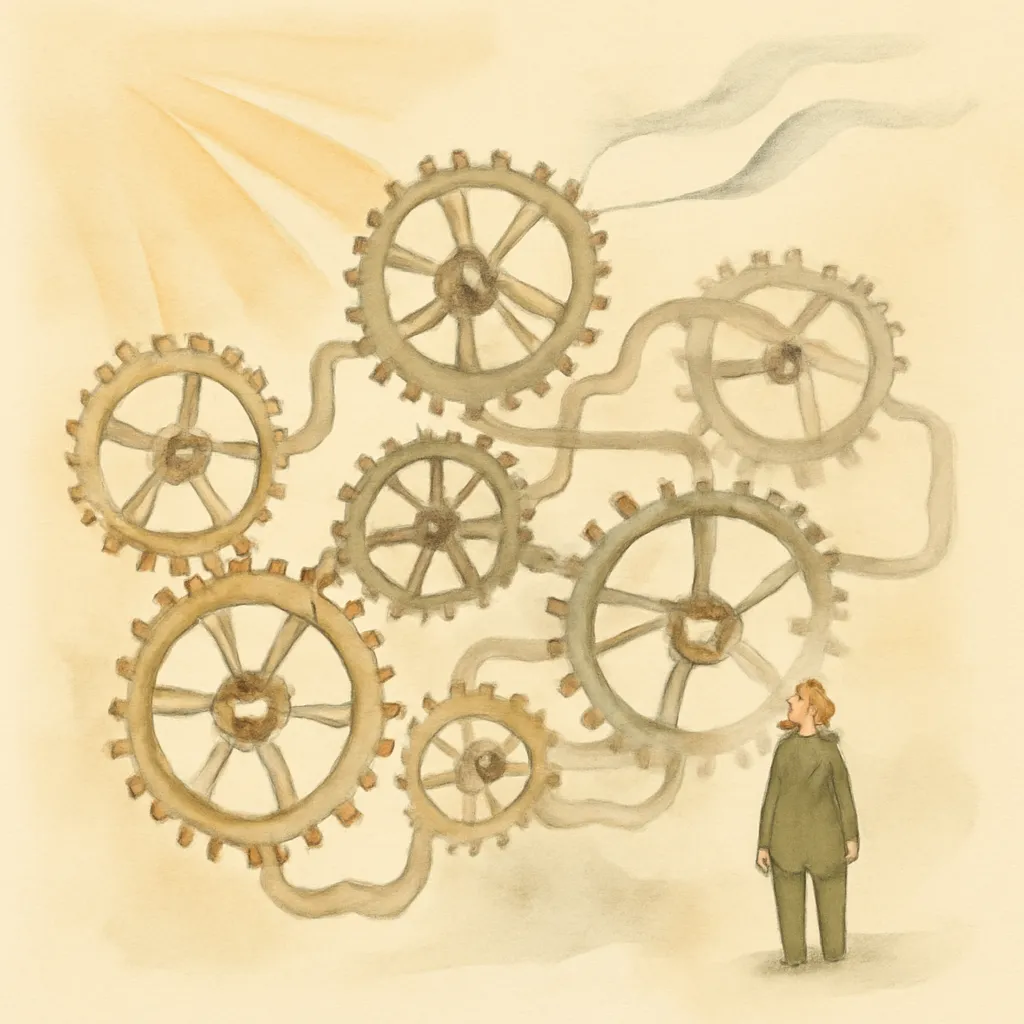
Friedman emphasizes that real change requires more than personal virtue; it demands systemic shifts through strong policy and market incentives. He advocates for carbon pricing, tougher efficiency standards, and government investment in research and infrastructure. Only by making clean energy the most profitable choice can we drive the scale of transformation needed.
5.Innovation as the Engine of the Green Revolution
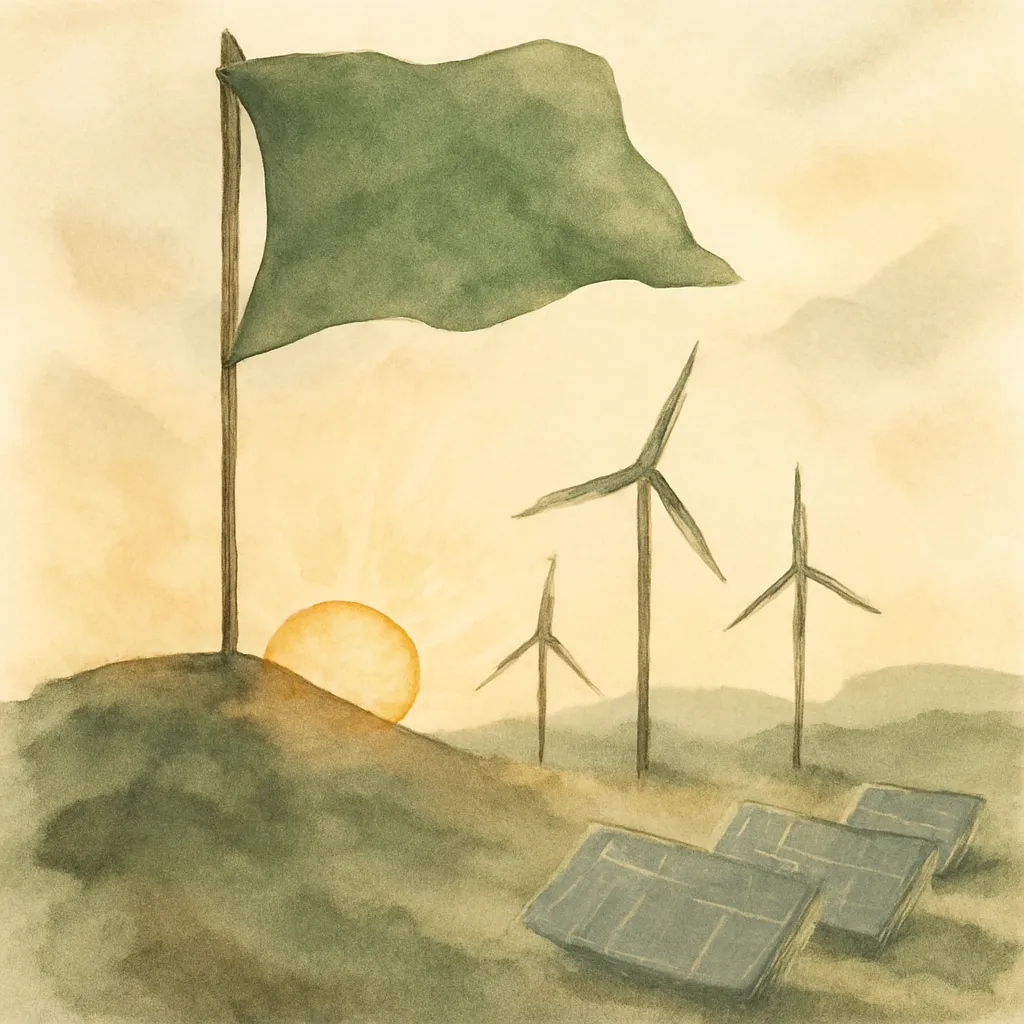
The book highlights the enormous economic opportunities in clean technology, from renewable energy to smart grids and green buildings. Friedman argues that the next great global industry will be energy technology (ET), and whoever leads in this field will shape the future. He urges a new wave of American innovation akin to the IT revolution, but focused on sustainability.
6.Moral and Civic Renewal
Beyond economics and policy, Friedman calls for a cultural shift—a renewal of American values of responsibility, stewardship, and collective action. He sees the green revolution as a chance to rediscover national purpose, restore trust in government, and build a more just and resilient society.
Key takeaways
- ◆The world’s biggest problems—climate, energy, population—are interconnected.
- ◆America risks losing its global edge if it doesn’t lead on clean energy.
- ◆Market incentives, not just personal choices, drive real environmental change.
- ◆Clean technology is the next economic frontier.
- ◆A green revolution is both a moral imperative and a strategic opportunity.
In conclusion
Hot, Flat, and Crowded is a clarion call for urgent, systemic action in the face of environmental crisis. Friedman’s analysis connects the dots between climate, energy, economics, and national security, making a compelling case that the green revolution is not just necessary, but full of promise. For readers seeking to understand the stakes and solutions in the climate era, this book offers both a warning and a roadmap.