1.The Enigma of Illness
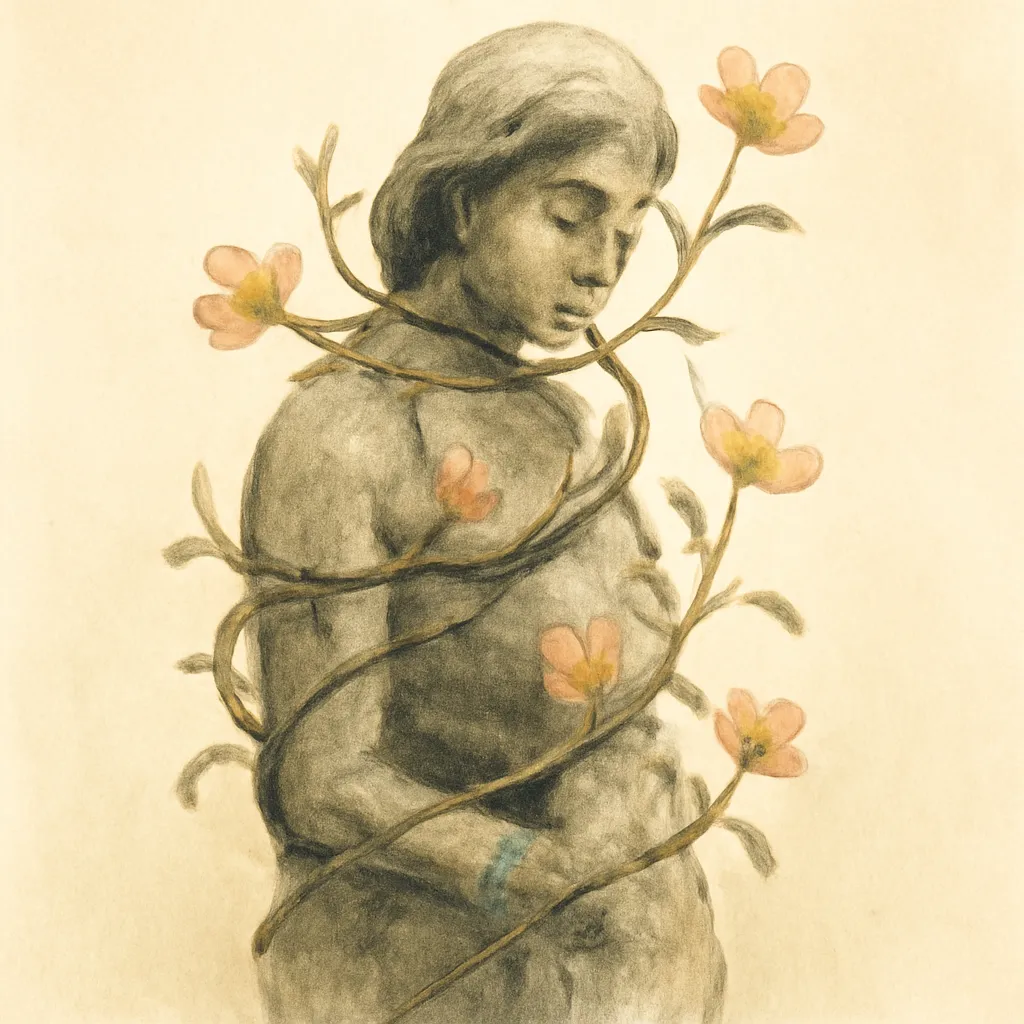
At the heart of Hot Milk is the ambiguous illness of Sofia’s mother, Rose. The novel resists easy answers, using Rose’s mysterious paralysis as a metaphor for the ways in which suffering—both physical and psychological—can dominate relationships and self-perception. Levy explores how illness can become a language, a power dynamic, and even a form of identity, not just for the sufferer but for those who orbit around them. The uncertainty of diagnosis mirrors the uncertainty of emotional truth in families.
2.Mothers, Daughters, and the Ties That Bind
Sofia’s relationship with her mother is fraught with dependence, resentment, and a yearning for release. Levy dissects the complex emotional entanglements between mothers and daughters, where love is inseparable from frustration and obligation. The novel probes questions of loyalty, guilt, and the struggle to individuate, making visible the invisible threads that bind generations of women together.
3.Self-Discovery in Exile
The Spanish setting is not just a backdrop but a crucible for Sofia’s transformation. Removed from her familiar environment, Sofia is forced to confront her own desires, sexuality, and sense of purpose. The novel uses the motif of exile—both literal and psychological—to explore how distance can catalyze self-awareness and the painful process of growing up, even in adulthood.
4.The Unreliability of Truth
Levy’s narrative is suffused with ambiguity: symptoms that defy diagnosis, motives that remain unclear, and characters who are never quite what they seem. This uncertainty challenges the reader to question the nature of truth—about illness, about relationships, about the self. The novel’s detective motif is less about solving a mystery than about accepting the limits of what can be known.
5.Desire and Disconnection
Sofia’s sexual and emotional encounters in Spain are marked by a sense of detachment and experimentation. Levy explores how desire can be both a force of connection and alienation, reflecting Sofia’s struggle to inhabit her own body and form authentic relationships. The novel interrogates the ways in which intimacy can be fraught, fleeting, and even destabilizing.
6.The Power and Limitations of Language
Throughout Hot Milk, language is both a tool and a barrier. Sofia’s background in anthropology underscores the gap between observation and understanding, while the characters’ multilingual interactions highlight the difficulty of true communication. Levy suggests that words can both reveal and obscure, and that some experiences—especially those of pain and longing—resist articulation.