1.The Power of Observation and Deduction
Sherlock Holmes epitomizes the importance of keen observation and logical deduction in solving mysteries. From the very beginning, Holmes's ability to interpret the smallest details sets him apart from others. When Dr. Mortimer first visits, Holmes accurately deduces the man's profession and lifestyle based purely on the examination of his walking stick. This scene emphasizes the notion that every object and detail carries a story, a theme that resonates throughout the narrative. Holmes’s methods demonstrate that analytical thinking can cut through the fog of superstition and fear, revealing the underlying truths that often elude the untrained eye. His approach is not just about solving crimes but also about instilling a sense of rationality in a world rife with irrational fears.
2.Legends and Folklore: The Curse of the Baskervilles
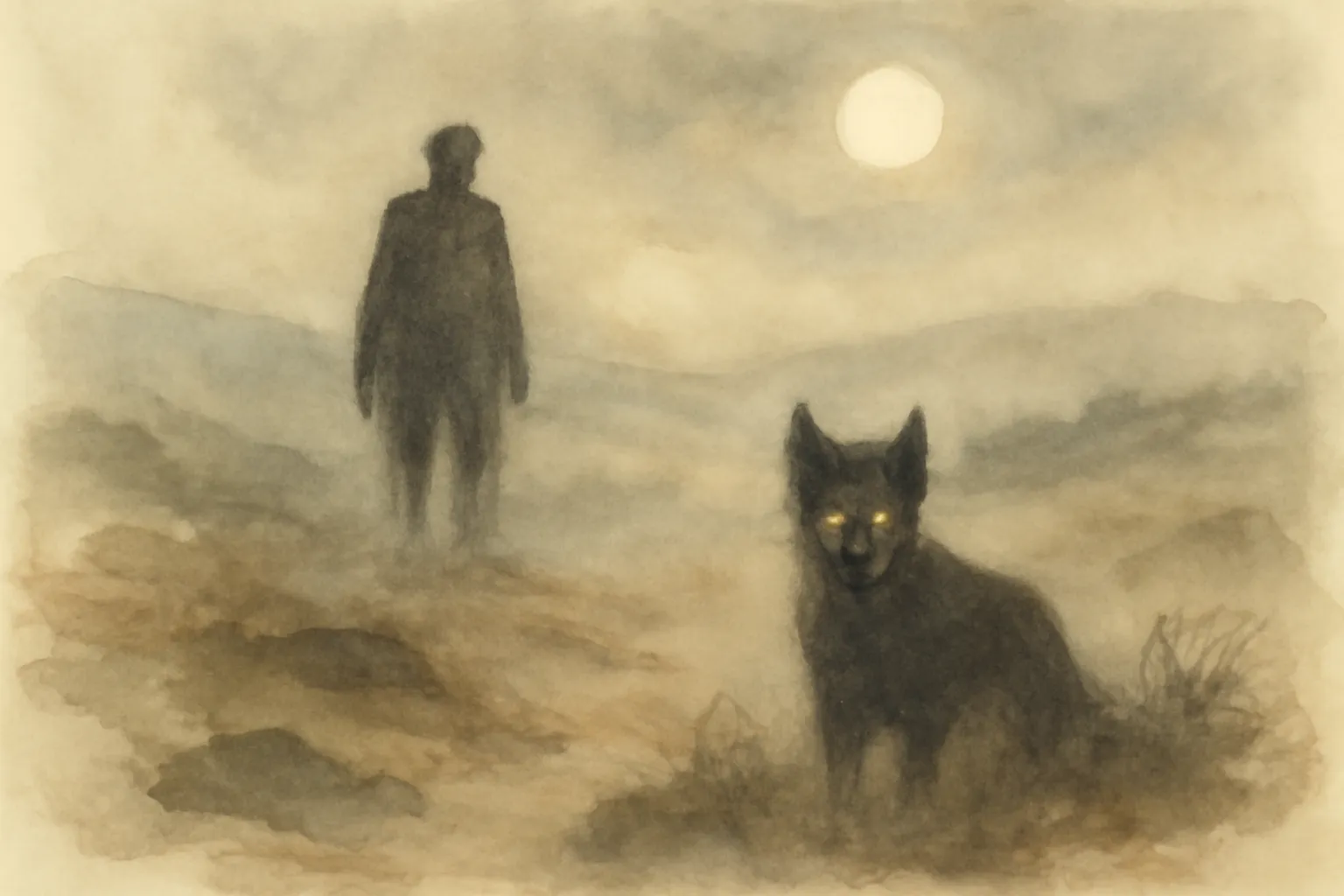
The legend of the Baskerville family, particularly the tale of the ghostly hound, serves as a central motif in the novel. This folklore encapsulates the fear and superstition that permeate the English countryside, particularly in the isolated setting of the moors. The manuscript read by Dr. Mortimer reveals the historical context of the curse, linking it to Hugo Baskerville and his nefarious deeds. Doyle uses this legend to explore how stories can shape perceptions and influence behavior, often leading individuals to act irrationally out of fear. As the characters grapple with the legend, it becomes clear that the true danger lies not in the supernatural but in the human capacity for deceit and malice. This exploration of folklore invites readers to consider the power of stories in shaping cultural beliefs and individual actions.
3.The Role of Fear in Human Behavior
Fear is a pervasive theme in 'The Hound of the Baskervilles', influencing the actions and decisions of the characters. Sir Charles Baskerville's death, steeped in the lore of the hound, illustrates how fear can lead to paranoia and ultimately demise. His anxiety about the curse manifests physically, as he is found dead near the moor, which symbolizes the tangible effects of fear on one's life. Sir Henry Baskerville, too, faces threats that invoke fear, such as the mysterious letter warning him to stay away from the moor. As the story progresses, it becomes evident that fear can be as lethal as any physical threat, often leading individuals to make choices that endanger their lives. The narrative serves as a reminder of the psychological battles that accompany fear, showcasing how it can distort reality and cloud judgment.
4.The Complexities of Human Nature
Throughout the novel, Doyle presents a nuanced exploration of human nature, revealing that individuals are often driven by a mix of motives. Characters like Stapleton, who initially appears as a potential ally, embody the duality of human behavior—benevolent on the surface but harboring darker intentions. His manipulation of the Baskerville legacy and his involvement with the hound highlight the lengths to which people will go for personal gain. Moreover, the relationship dynamics between Sir Henry, Dr. Mortimer, and the Stapletons showcase the complexities of trust and betrayal. As Holmes investigates, he unearths layers of deception that challenge initial perceptions, reinforcing the idea that humans are capable of both good and evil. This exploration invites readers to reflect on the moral ambiguities present in their own lives and the motivations behind their actions.
5.The Significance of Setting: The Moors as a Character
The desolate moors play a crucial role in shaping the atmosphere and tension of the story, almost acting as a character in its own right. Doyle's vivid descriptions of the bleak landscape enhance the sense of isolation and foreboding that permeates the narrative. The moors are unpredictable, shrouded in mist and darkness, which mirrors the uncertainty faced by the characters. This setting heightens the stakes of the investigation, as Holmes and Watson navigate both the physical terrain and the emotional landscape of fear and doubt. The moors also symbolize the wildness of nature, contrasting with the reason and order that Holmes represents. By setting the story in such a perilous environment, Doyle amplifies the themes of danger, the unknown, and the struggle between civilization and the primal instincts that reside within us all.
6.Friendship and Loyalty: Watson's Role
Dr. John Watson serves as both a loyal companion to Holmes and a vital narrative voice that connects the reader to the unfolding mystery. His unwavering loyalty is evident as he assists Holmes in investigating the Baskerville case, often acting as a bridge between the analytical mind of Holmes and the emotional realities of the situation. Watson's perspective allows readers to experience the tension and fears of the characters firsthand, making the supernatural elements feel all the more immediate. His relationship with Sir Henry also highlights the theme of friendship, as Watson seeks to protect and support the young baronet amidst the dangers surrounding him. This bond underscores the importance of camaraderie in the face of adversity, suggesting that human connections can provide strength and resilience when confronting fear and uncertainty.
7.The Nature of Evil: Stapleton as the Antagonist
Jack Stapleton emerges as a complex antagonist whose motives are shrouded in ambiguity. Initially presenting himself as a concerned neighbor, his true nature is revealed as the plot unfolds. Stapleton's calculated manipulation of the Baskerville legend and his orchestration of Sir Charles's death expose a chilling portrayal of human greed and malice. His use of the hound as a tool for murder highlights the theme of evil in a world where the supernatural intertwines with human actions. Stapleton's character forces readers to confront the unsettling reality that evil often exists in mundane forms, masked by charm and charisma. This exploration of evil serves as a reminder that the most dangerous threats can come from those we least suspect, challenging the notion of clear-cut morality and the nature of villainy.
8.The Triumph of Reason Over Superstition
Ultimately, 'The Hound of the Baskervilles' champions the triumph of reason and rationality over superstition and fear. Holmes's relentless pursuit of truth, grounded in logic and observation, stands in stark contrast to the irrational beliefs that cloud the minds of those around him. As he unravels the mystery of the hound, he dispels the myths that have haunted the Baskerville family for generations. The resolution of the case, based on tangible evidence rather than spectral legends, reinforces the idea that understanding and knowledge can conquer fear. This theme resonates with readers, encouraging a critical examination of the beliefs and fears that influence their lives. In a world often driven by emotion and superstition, Holmes's methods serve as a powerful reminder of the importance of scientific reasoning and the pursuit of truth.
9.The Impact of the Past on the Present
The past looms large in 'The Hound of the Baskervilles', shaping the characters and the events that unfold. The legacy of the Baskerville family, steeped in tragedy and supernatural lore, influences the actions of Sir Henry and Dr. Watson as they navigate the dangers of the moors. The historical context provided by the manuscript reveals how past deeds and legends can cast long shadows over the present, affecting the mental states and decisions of individuals. This exploration of history invites readers to reflect on the ways in which their own pasts shape their identities and choices. By intertwining the historical with the contemporary, Doyle emphasizes the importance of understanding one's own history to break free from its constraints and embrace a rational future.
10.Justice and Retribution: The Fate of the Villains
The conclusion of the novel delivers a powerful commentary on justice and retribution, as Stapleton's nefarious plans ultimately unravel. His fate serves as a reminder that evil actions, no matter how cleverly concealed, will eventually lead to consequences. The resolution of the case not only brings closure to the Baskerville mystery but also restores a sense of order to the world, reinforcing the idea that justice prevails. This theme resonates with readers, highlighting the moral complexities of human actions and the notion that integrity and truth will ultimately triumph over deceit and malice. Doyle's portrayal of justice serves as a hopeful message, suggesting that while darkness may exist, it can be illuminated by the pursuit of truth and the courage to confront one's fears.