1.The Importance of Democratic Norms
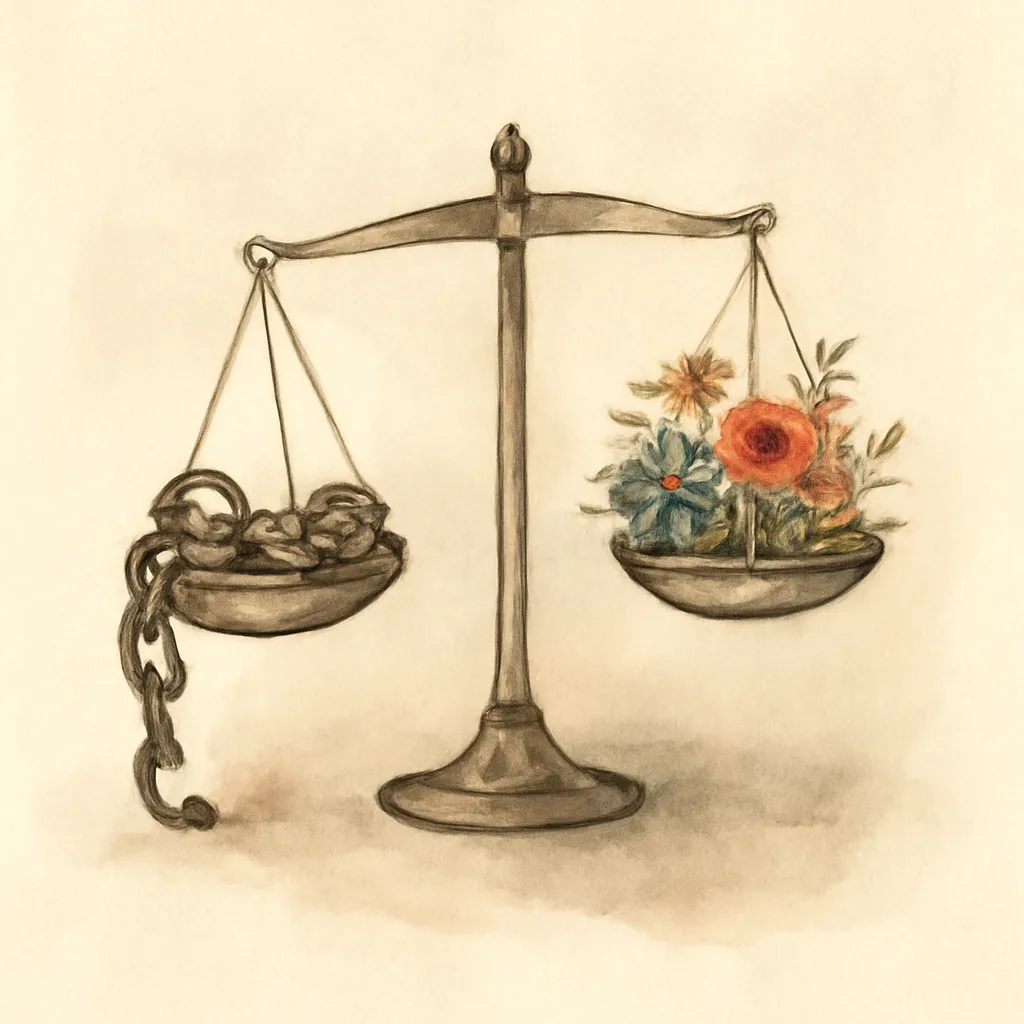
Levitsky and Ziblatt argue that democracy depends not just on laws and constitutions, but on shared norms—especially mutual tolerance and institutional forbearance. These unwritten rules ensure that rivals see each other as legitimate and that those in power restrain themselves from exploiting legal loopholes. When these norms break down, even robust democracies can slide toward authoritarianism.
2.Mutual Tolerance and Institutional Forbearance
The authors identify two core democratic norms: mutual tolerance (accepting political opponents as legitimate) and institutional forbearance (avoiding the use of every possible legal advantage to crush rivals). When politicians and citizens treat opponents as existential threats or exploit every technicality to win, the system becomes brittle and prone to crisis.
3.How Authoritarianism Creeps In
Democratic backsliding rarely happens overnight. Levitsky and Ziblatt show that elected leaders can gradually undermine democracy from within—by attacking the press, politicizing institutions, and weakening checks and balances. These actions often occur legally, making them harder to recognize and resist until it’s too late.
4.Global and Historical Lessons
Drawing on examples from Europe, Latin America, and the United States, the book demonstrates that no democracy is immune. From the rise of leaders like Hugo Chávez to the collapse of democracies in interwar Europe, the authors illustrate patterns and warning signs that precede democratic breakdowns.
5.The American Case
Levitsky and Ziblatt devote special attention to the United States, arguing that its democracy has survived thanks to strong norms—but these are now under strain. They trace the erosion of bipartisanship and the rise of extreme partisanship, warning that the U.S. is not exempt from the dangers faced elsewhere.
6.What Can Be Done
The book ends with a call to action: citizens and leaders must actively defend democratic norms, resist the temptation to treat politics as total war, and build broad coalitions to isolate would-be authoritarians. Democracy, they argue, is not self-sustaining; it requires constant vigilance and commitment.