1.Net-Zero Is Non-Negotiable
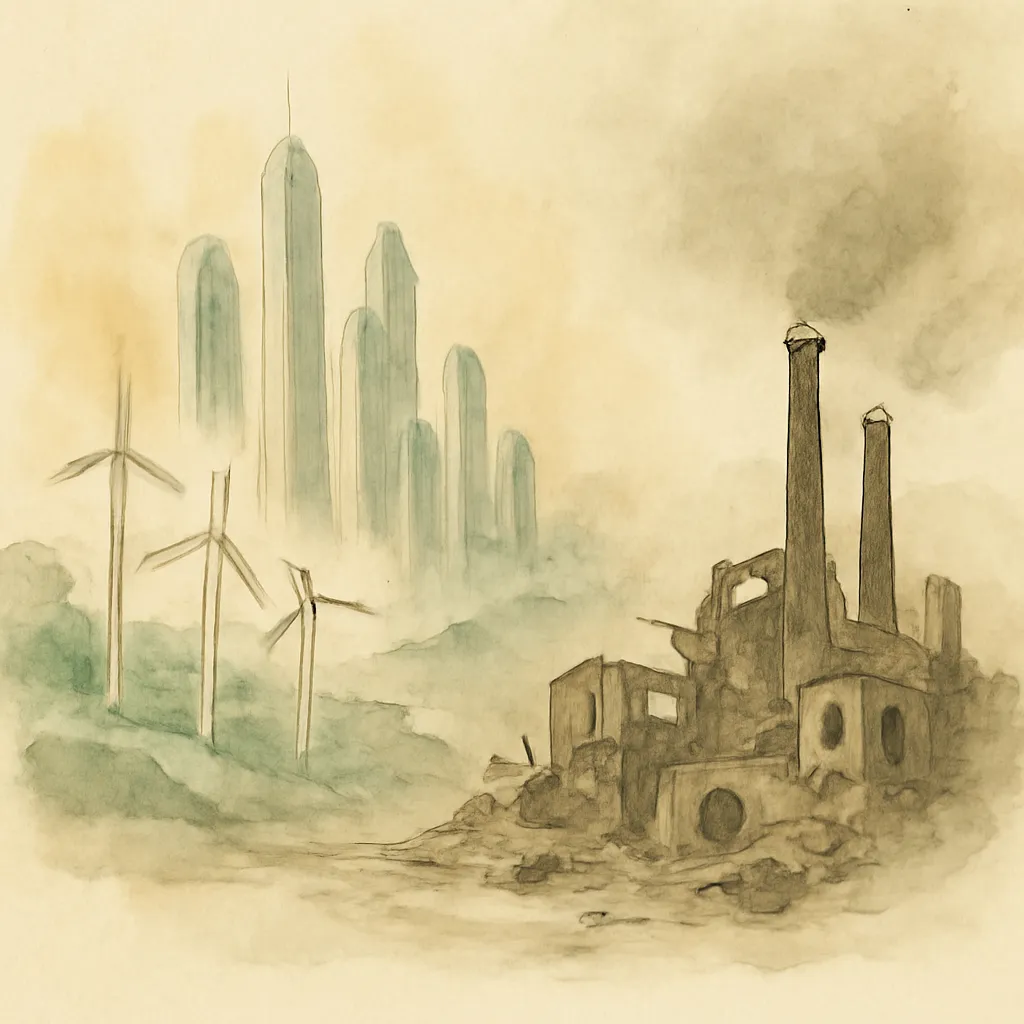
Gates centers the book around a single, uncompromising goal: the world must reach net-zero greenhouse gas emissions by 2050 to avoid the worst impacts of climate change. He explains why simply reducing emissions isn’t enough—only eliminating them entirely can stabilize global temperatures. Gates breaks down the sources of emissions into five sectors—electricity, manufacturing, agriculture, transportation, and heating/cooling—demonstrating that every area must be addressed, not just electricity generation.
2.Innovation Is Essential
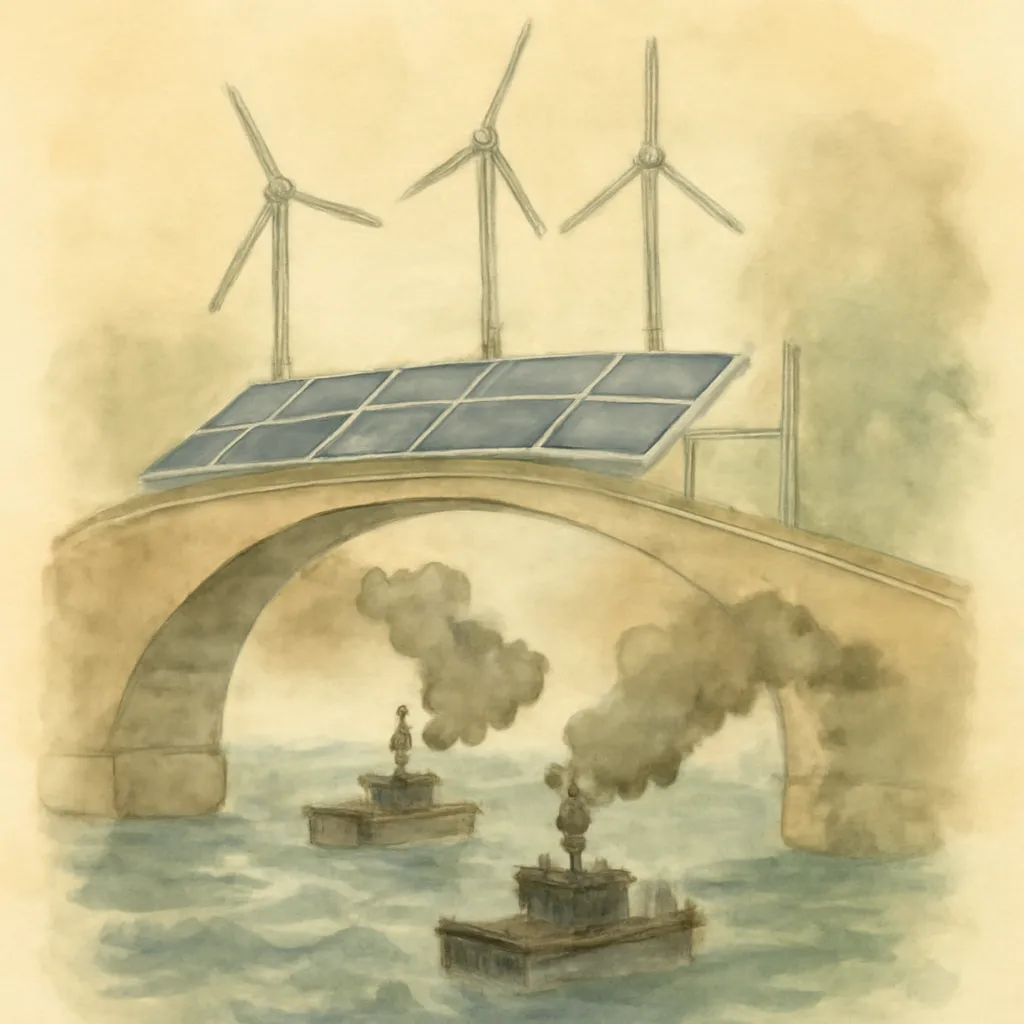
While existing solutions like solar and wind are important, Gates argues they aren’t sufficient to decarbonize the entire economy. He calls for massive investment in research and development to invent affordable, scalable clean technologies—especially for the hard-to-abate sectors like cement, steel, and aviation. Gates draws parallels to the digital revolution, asserting that technological breakthroughs are the only way to make clean alternatives as cheap and reliable as fossil fuels.
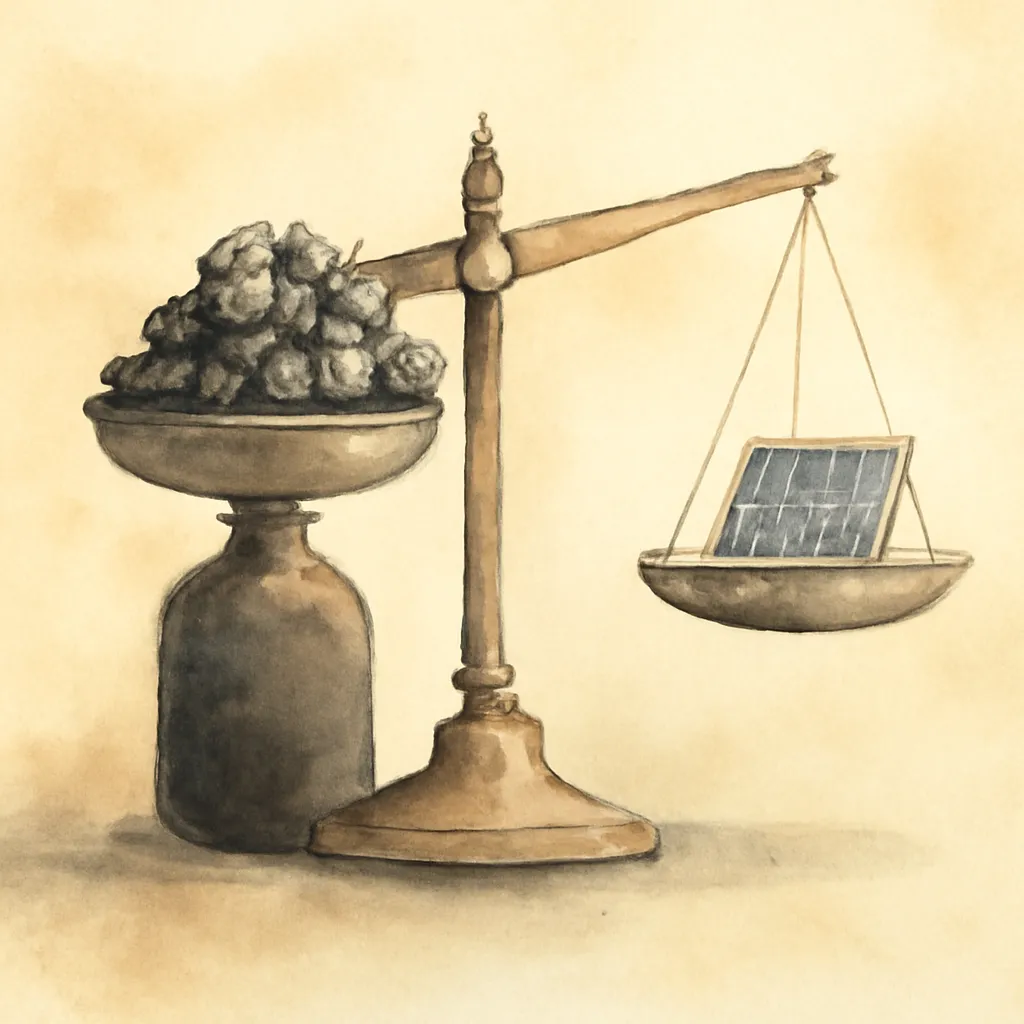
3.The Green Premium Problem
A central concept in the book is the 'green premium'—the extra cost of choosing clean technology over polluting alternatives. Gates quantifies these premiums across sectors to show where innovation is most needed. He argues that bringing down these costs is crucial for widespread adoption, especially in developing countries where affordability is paramount. This economic framing helps readers understand the real-world barriers to going green.
4.Policy and Markets Must Work Together
Gates emphasizes that market forces alone won’t solve climate change. Governments must set policies—like carbon pricing, clean energy standards, and funding for R&D—that drive innovation and create incentives for businesses to invest in clean solutions. He highlights the need for global cooperation, as climate change is a worldwide problem requiring shared commitments and technology transfer.
5.Equity and Global Justice
The book repeatedly stresses that those least responsible for climate change—poorer nations and communities—are most vulnerable to its effects. Gates ties climate action to global equity, arguing that solutions must be accessible and affordable for all. He advocates for a just transition that doesn’t leave developing countries behind, and for richer nations to lead on funding and innovation.
6.Individual Action Matters, But Systemic Change Is Key
While Gates encourages personal responsibility, he’s clear that individual lifestyle changes alone won’t solve the crisis. The scale of the problem demands systemic transformation—new technologies, industries, and infrastructure. He urges readers to focus their advocacy on pushing governments and companies to act, rather than relying solely on consumer choices.