1.Dichotomy of Control
Pigliucci emphasizes the Stoic principle of distinguishing between what is within our control and what is not. By focusing energy on our own thoughts, actions, and attitudes, and letting go of anxiety over external events, readers can reduce unnecessary suffering. This core idea serves as a foundation for Stoic practice, helping individuals respond to challenges with equanimity rather than frustration.
2.Virtue as the Highest Good
The book argues that living a good life means striving for virtue—wisdom, courage, justice, and temperance—rather than chasing external rewards like wealth or fame. Pigliucci explains that virtue is always within reach, regardless of circumstances, and that aligning our actions with these values leads to genuine fulfillment.
3.Stoic Role Models and Exercises
Pigliucci encourages readers to learn from Stoic exemplars like Epictetus and Marcus Aurelius, and to adopt practical exercises such as negative visualization and daily reflection. These tools help internalize Stoic habits, making philosophy a lived experience rather than abstract theory.
4.Engagement, Not Withdrawal
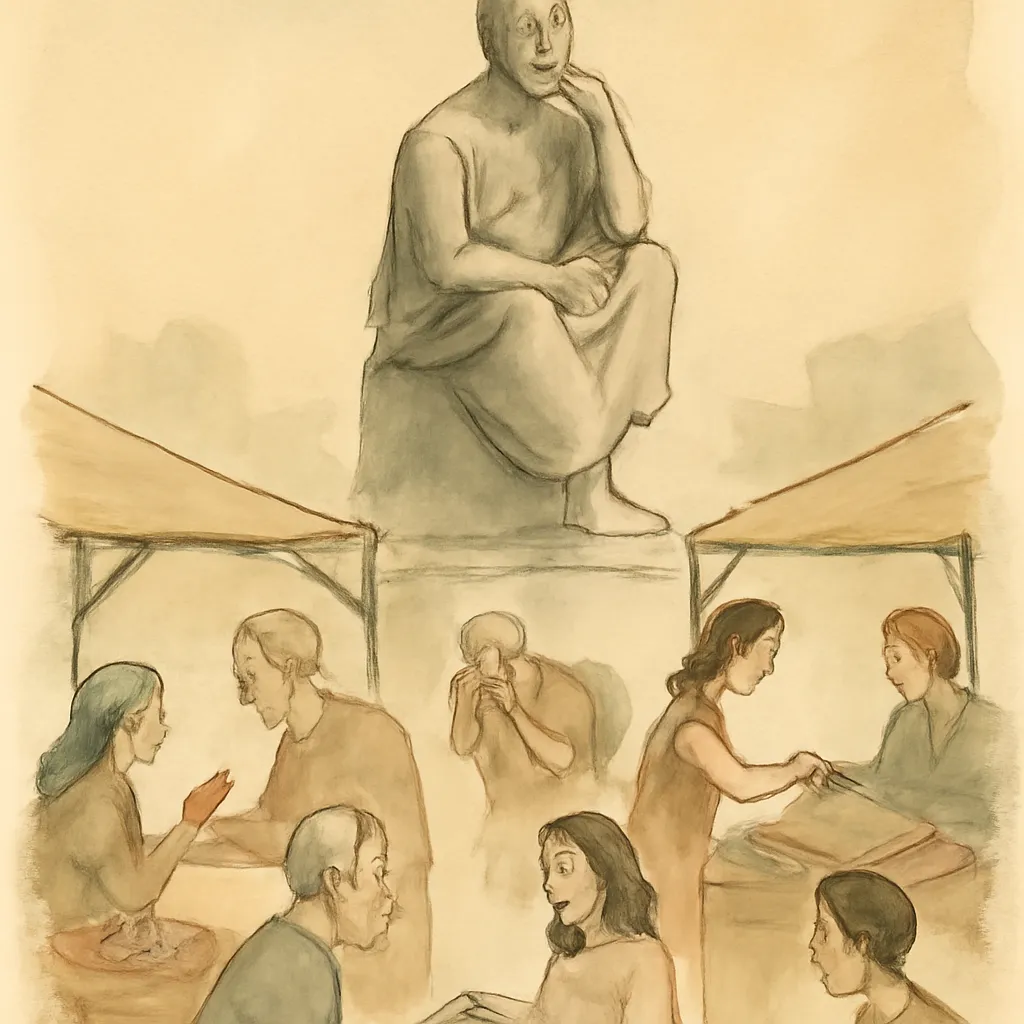
Contrary to the stereotype of Stoics as detached or indifferent, Pigliucci shows that Stoicism advocates for active engagement with the world. The philosophy teaches us to fulfill our social roles and responsibilities with integrity, compassion, and rationality, contributing positively to society while maintaining inner peace.
5.Emotional Resilience
How to Be a Stoic addresses how to handle emotions constructively. Pigliucci explains that Stoicism does not demand suppression of feelings, but rather understanding and managing them through reason. This approach fosters resilience, enabling people to face setbacks, loss, or injustice without being overwhelmed.
6.Modern Application of Ancient Wisdom
Pigliucci bridges the gap between ancient philosophy and modern life, applying Stoic principles to contemporary issues like work stress, relationships, and ethical dilemmas. The book demonstrates that Stoicism remains relevant, offering practical advice for navigating the complexities of today's world.