1.Simplicity as the Foundation
Bittman’s central philosophy is that cooking should be accessible, not intimidating. He strips away jargon and complexity, focusing on straightforward techniques and everyday ingredients. By emphasizing the basics—like sautéing, roasting, and boiling—he empowers readers to master essential skills before branching out. This approach not only reduces kitchen anxiety but also builds a solid foundation for improvisation and creativity.
2.Recipes as Roadmaps, Not Rules
Rather than treating recipes as rigid instructions, Bittman encourages readers to view them as starting points. He frequently offers variations, substitutions, and tips for adapting dishes to personal taste or available ingredients. This flexibility cultivates a sense of agency, teaching home cooks to trust their instincts and make the most of what they have, rather than feeling constrained by missing items or strict directions.
3.Comprehensive Coverage for Everyday Life
The book’s scope is vast, covering everything from breakfast basics to elaborate dinners, simple snacks to homemade breads. Bittman organizes content logically, making it easy to find guidance on techniques, ingredient selection, or troubleshooting. This all-in-one resource is designed to be a lifetime kitchen reference, supporting cooks as their skills and ambitions grow.
4.Focus on Ingredient Quality and Seasonality
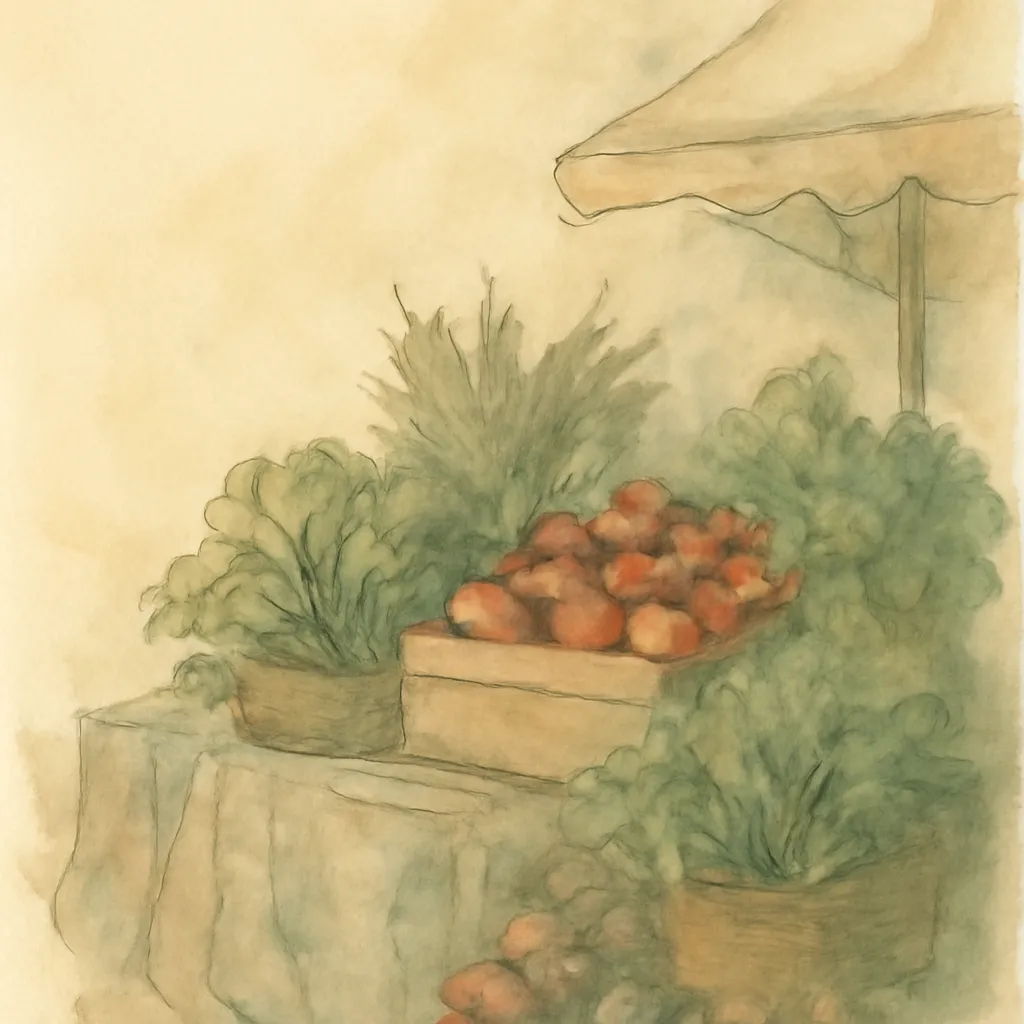
Bittman champions the use of fresh, high-quality ingredients, often highlighting the benefits of seasonal produce. He educates readers about shopping smart, understanding labels, and making the most of local markets. This not only improves flavor and nutrition, but also encourages a more mindful, sustainable approach to food.
5.Empowerment Through Knowledge
Beyond recipes, Bittman fills the book with practical advice—how to stock a pantry, choose the right tools, and troubleshoot common problems. He breaks down culinary techniques into manageable steps, demystifying processes that might otherwise seem daunting. This educational focus transforms cooking from a chore into a skill set that builds confidence and self-reliance.
6.Encouraging Experimentation and Joy
Underlying the entire book is an invitation to enjoy the process of cooking. Bittman’s tone is reassuring and often playful, reminding readers that mistakes are part of learning. By lowering the stakes and encouraging experimentation, he helps readers discover the satisfaction and creativity that can come from preparing meals at home.