1.The Birth of Buccaneers

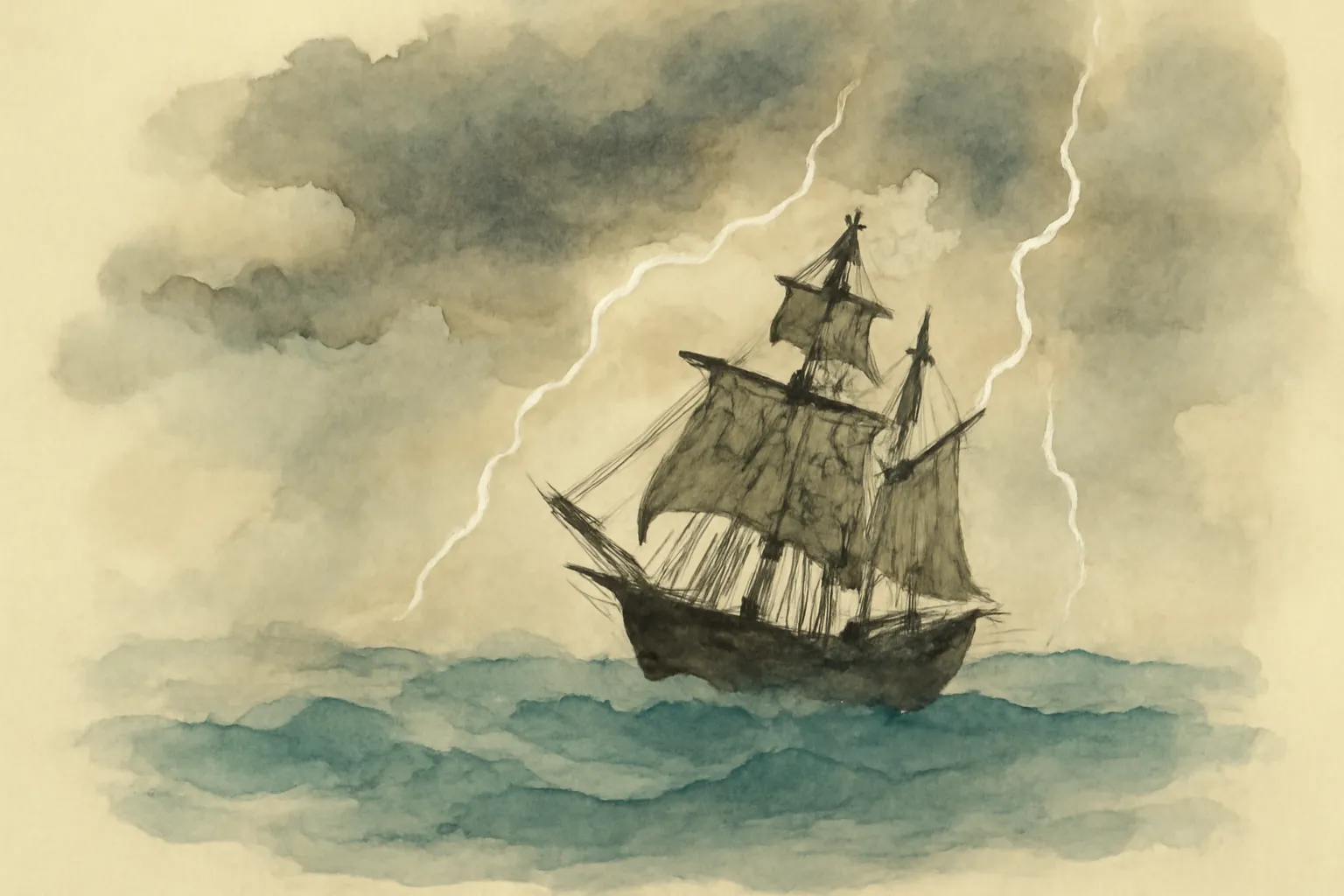
The buccaneers of the Spanish Main emerged in the mid-seventeenth century, primarily from French adventurers who sought new territories and wealth in the Caribbean. These early pirates were not merely criminals; they were opportunists who capitalized on the rich resources of the region, particularly the wild cattle on Hispaniola. As the demand for preserved meat rose among returning ships to Europe, these adventurers turned to buccaneering, blending hunting and piracy into a profitable enterprise. The transformation of these men from simple hunters to notorious pirates illustrates the fluid nature of identity and morality in a lawless environment. Their actions not only shaped their destinies but also instigated a new era of piracy that would inspire legends and tales for generations. The relationship between the buccaneers and the Spanish colonial authorities was marked by conflict, as these marauders disrupted trade routes and challenged the established order, leading to a cat-and-mouse game on the high seas.
2.The Legacy of Captain Brand
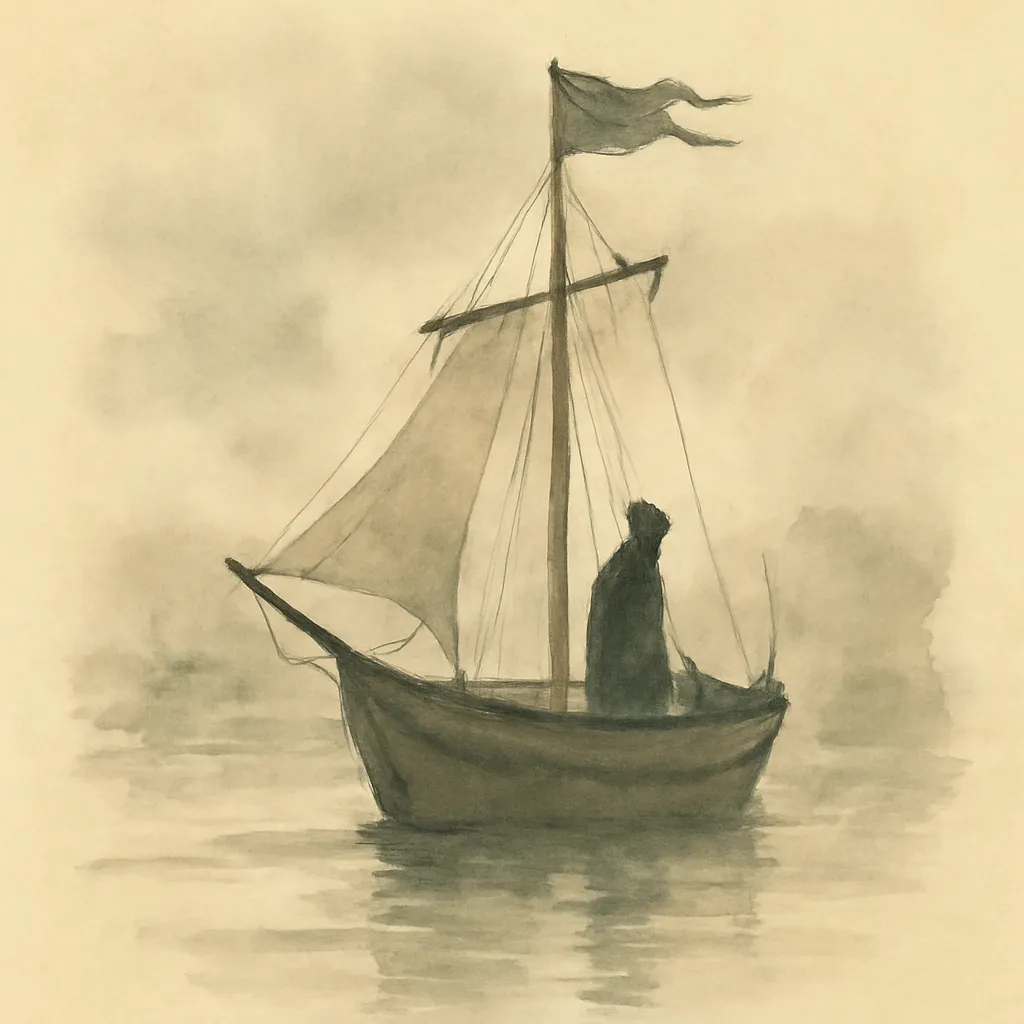
Captain William Brand, a figure shrouded in both admiration and infamy, serves as a poignant reminder of the complex legacy of piracy. Initially commissioned as an honorable sea captain, Brand's descent into piracy was fueled by the temptations and opportunities of the South Seas. His story highlights how societal pressures and the allure of wealth can corrupt even the most reputable individuals. The tragic fate of Brand, murdered by his own consort, raises questions about loyalty, betrayal, and the consequences of a life led by greed and ambition. Through the lens of Barnaby True, Brand's grandson, readers witness the enduring stigma of piracy, illustrating how the past can haunt future generations, shaping their identities and destinies. Barnaby's struggle against the shadow of his grandfather's reputation serves as a microcosm for the broader societal views on morality and legacy, demonstrating how the weight of history can burden individuals and influence their paths in life.
3.Adventures with Captain Morgan
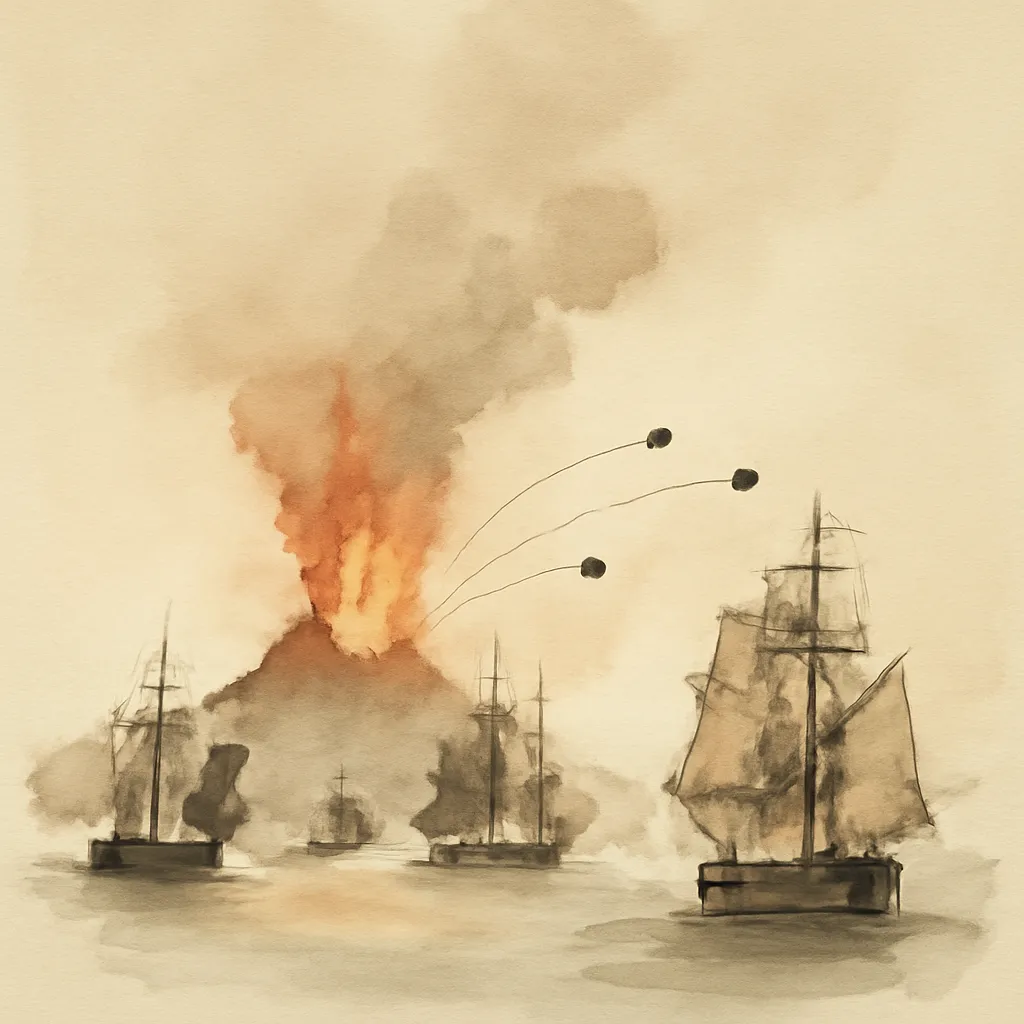
Captain Henry Morgan stands out as one of the most celebrated buccaneers of his time, known for his audacious exploits against Spanish forces. In the narrative of Harry Mostyn, readers are introduced to the thrilling escapades that defined Morgan's career, particularly his audacious attack on Porto Bello. This account not only showcases the daring nature of piracy but also reflects the strategic cunning required to succeed in such a perilous profession. Morgan's ability to navigate the treacherous waters of both the Caribbean and colonial politics exemplifies the duality of piracy as both a romanticized adventure and a brutal reality. Mostyn’s perspective not only immerses readers in the excitement of high-stakes encounters but also underscores the inherent risks and moral dilemmas faced by those who sailed under the Jolly Roger. The broader implications of Morgan's actions resonate through time, as they reveal the complex interplay between colonial ambition and lawlessness, blurring the lines between heroism and villainy.
4.The Miraculous Escape of Tom Chist
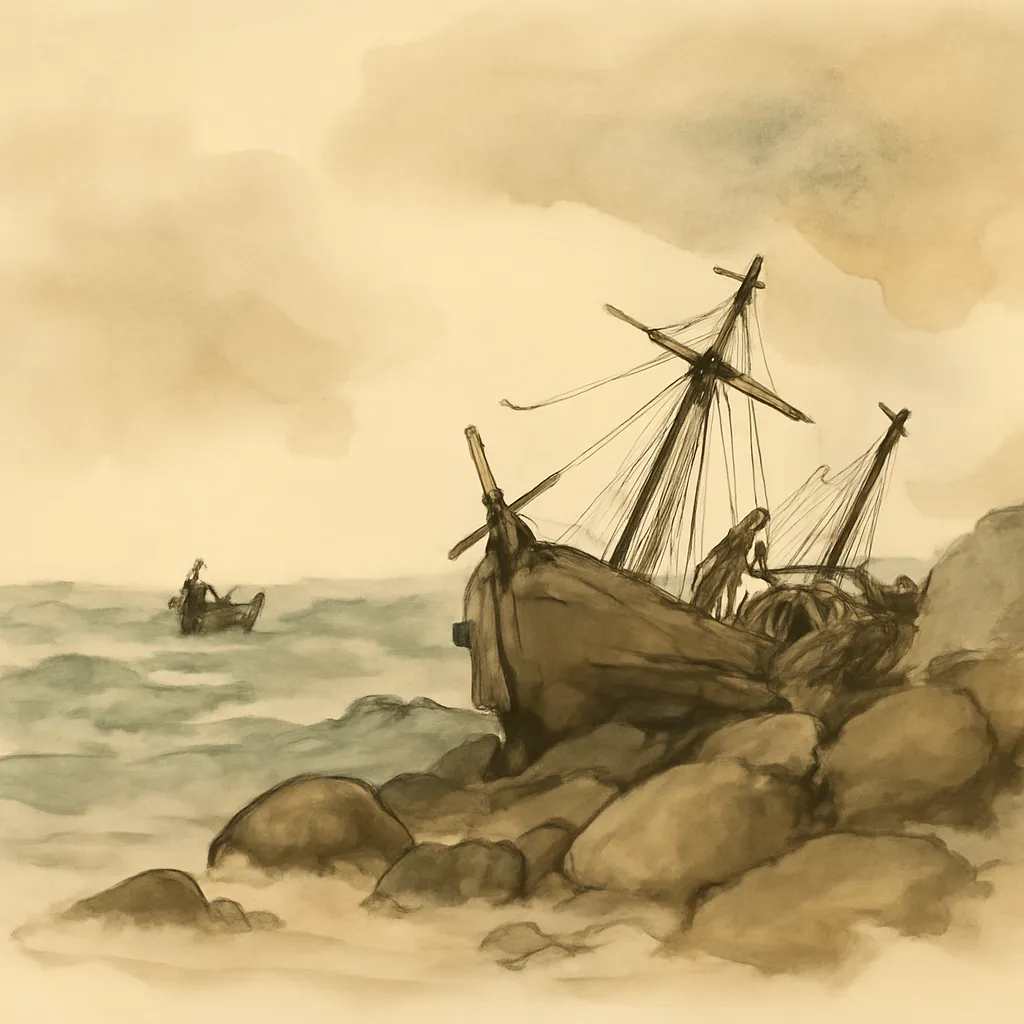
Tom Chist's story begins with a shipwreck that leaves him as the sole survivor, thrust into a world of uncertainty and opportunity. Living in the settlement of Henlopen during the late 17th century, Tom's miraculous escape from the wreck of the Bristol Merchant becomes a catalyst for his adventures. The aftermath of the storm reveals a bounty of treasures washed ashore, symbolizing both fortune and the unpredictable nature of life at sea. As Tom navigates this new reality, his journey encapsulates the themes of survival and resilience in the face of adversity. The community's response to the wreckage also highlights the social dynamics of early colonial life, where scarcity often led to opportunism and camaraderie among settlers. Tom's character embodies the spirit of adventure and the quest for a better life, driving home the idea that fortune favors the bold. His experiences are a reflection of the wider human condition, where chance and choice intertwine, leading to unforeseen consequences.
5.Jack Ballister's Struggles

The narrative of Jack Ballister provides a window into the harsh realities of colonial life in the early 18th century, where lawlessness reigned and pirates like Blackbeard roamed freely. Jack's experiences reveal the precarious existence of the American colonists, who often found themselves at the mercy of pirates and their own vulnerabilities. The story underscores the challenges of maintaining order and security in a society characterized by isolation and limited governance. Through Jack's eyes, readers grasp the desperate measures individuals took to protect their livelihoods and the moral complexities of survival in a brutal world. The character of Jack epitomizes the struggle against the odds, as he is forced to confront not only external threats but also the ethical dilemmas that arise in the face of adversity. His tale serves as a testament to the resilience of the human spirit, illuminating the ways in which individuals navigate the treacherous waters of their environment, both literally and metaphorically.
6.The Legend of Blueskin
Blueskin, a notorious pirate, becomes entwined with the local lore of Lewes, Delaware, where his dark deeds are woven into the fabric of the town's history. His reputation as a fearsome freebooter captures the imagination of the townsfolk, who recount tales of his exploits and the treasures he amassed. The story of Blueskin exemplifies how piracy transcended mere criminality, evolving into a cultural phenomenon that fascinated and terrified communities along the coast. As narratives of his adventures spread, they reflect the broader societal fascination with the outlaw lifestyle, where the line between villain and hero often blurred. Blueskin's legendary status serves not only to entertain but also to explore themes of fear, morality, and the human propensity for storytelling. His character becomes a symbol of the unknown, embodying the allure of the sea and the dark possibilities that lie within, demonstrating how local myths can shape communal identity and memory.
7.Captain Scarfield's Notorious Life
Captain John Scarfield's life is marked by both adventure and tragedy, as he navigates the treacherous waters of piracy and colonial politics. His story highlights the often-overlooked lives of pirates who operated under a veneer of respectability while engaging in illicit activities. Scarfield's dual identity as a trader and pirate underscores the complexities of moral judgment in a world where survival often necessitated bending the rules. Set against the backdrop of colonial intrigue, Scarfield's interactions with both the authorities and fellow pirates reveal the precarious balance of power and the constant threat of betrayal. As his fortunes rise, so too does the risk of downfall, illustrating the inherent instability of a life lived on the edge. The narrative of Scarfield prompts readers to consider the nuances of morality in a lawless world, where personal ambitions conflict with ethical considerations, leading to a reflection on the cost of success and the price of infamy.
8.The Ruby of Kishmoor

The tale of Captain Robertson Keitt and his audacious capture of the Rajah of Kishmoor's ship unveils the opulence and danger of piracy in the Golden Age. The acquisition of the legendary ruby, a gemstone of immense value, signifies the allure of wealth that drove many to the pirate life. This particular adventure illustrates the dramatic stakes involved in piracy, where the capture of a royal ship not only promised riches but also the potential for infamy. The ruthlessness of Keitt's actions, including scuttling the ship and leaving no witnesses, reflects the brutal reality of pirate life and the lengths to which individuals would go for fortune. This story raises questions about morality in the pursuit of wealth, as Keitt's rise to fame comes at the expense of countless lives. The narrative serves as a cautionary tale about the seductive nature of greed and the ethical implications of one’s choices in the pursuit of success, echoing through history as a reminder of the consequences that often accompany unbridled ambition.
9.Piracy as a Reflection of Society
The narratives woven throughout 'Howard Pyle's Book of Pirates' serve as a reflection of the societal values and tensions of the time. Pirates are often portrayed as antiheroes, embodying the spirit of rebellion against oppressive colonial powers while simultaneously representing the chaos that ensues in the absence of law. The allure of the pirate lifestyle, characterized by adventure and freedom, resonates with audiences who grapple with the constraints of societal norms. However, these tales also caution against romanticizing piracy, highlighting the violence and moral ambiguity inherent in such a life. By exploring the duality of pirate existence, Pyle invites readers to consider the broader implications of lawlessness and the human desire for autonomy in a structured society. The intersection of personal ambition and societal expectations creates a rich tapestry of conflict, encouraging readers to reflect on their own values and the nature of justice in a world where right and wrong are often obscured.
10.The Enduring Fascination with Pirates
The stories collected in Pyle's work illustrate the timeless fascination with pirates, rooted in their embodiment of adventure, rebellion, and the unknown. This allure transcends generations, captivating audiences with tales of treasure, danger, and freedom on the high seas. The romanticized image of pirates, fueled by their legendary exploits, continues to permeate popular culture, influencing literature, film, and folklore. However, Pyle's narratives remind readers that beneath the surface of these thrilling tales lies a complex tapestry of human experience, marked by moral dilemmas and the consequences of choice. The enduring legacy of piracy in popular imagination reflects not only a desire for adventure but also a deeper exploration of human nature and societal constructs. Ultimately, the stories serve as a mirror, inviting readers to confront their own aspirations and fears, and to consider the cost of the dreams that drive them toward the unknown.